As the summer sun begins its slow descent toward autumn, August arrives with a unique energy. For many, it is the final stretch of vacation season, a time of heat, and a moment to prepare for the busy months ahead. But if you are someone who looks for spiritual significance in the rhythms of time, you might find yourself wondering: does the Bible speak to the month of August?
The Bible does not mention August by name. The Gregorian calendar we use today was not established until centuries after the last biblical books were written. However, that does not mean this month is spiritually empty. In fact, August aligns deeply with biblical principles, seasonal cycles, and Hebrew traditions.
In this guide, we will explore the biblical themes connected to the eighth month of the year. We will look at the Hebrew calendar, the agricultural rhythms of ancient Israel, the concept of divine order, and how you can apply these truths to your own spiritual life. Whether you are seeking guidance, looking for a word of encouragement, or simply curious, this article is designed to be a reliable and realistic resource.
Let us walk through the biblical meaning of August together.

Understanding the Calendar Context
To understand the spiritual significance of August, we first need to look at calendars. The Bible operates primarily on two calendars: the civil calendar and the sacred calendar used by the ancient Israelites.
The Hebrew Calendar: Av and Elul
In the modern Gregorian calendar, August typically overlaps with two Hebrew months:
-
Av (usually July–August)
-
Elul (usually August–September)
This overlap is crucial. While most of August falls within the month of Av, the latter part often enters the month of Elul. Each of these months carries its own weight in biblical history and tradition.
The Month of Av: A Season of Mourning and Hope
The month of Av is historically a somber time in Jewish history. The ninth day of Av, known as Tisha B’Av, commemorates the destruction of both the First Temple (by the Babylonians in 586 BCE) and the Second Temple (by the Romans in 70 CE). It is considered the saddest day on the Hebrew calendar.
However, even in this mourning, there is a prophetic promise. Jewish tradition teaches that the Messiah will be born on Tisha B’Av, transforming the day of deepest sorrow into the greatest joy. This tension—mourning turning into dancing—is a powerful biblical theme found in passages like Psalm 30:11.
“You turned my wailing into dancing; you removed my sackcloth and clothed me with joy.” – Psalm 30:11
The Month of Elul: A Season of Preparation
If Av represents brokenness, Elul represents preparation. Elul is traditionally a month of repentance and spiritual preparation leading up to the High Holy Days (Rosh Hashanah and Yom Kippur). It is a time to examine your heart, mend relationships, and draw closer to God.
The acronym for Elul is often taken from Song of Solomon 6:3:
“I am my beloved’s and my beloved is mine.”
This verse encapsulates the intimacy of the season. It is a time to reconnect.
Why the Eighth Month Matters
In the Gregorian calendar, August is the eighth month. In the Bible, the number eight carries significant meaning. It represents:
-
New beginnings (a baby is circumcised on the eighth day)
-
Resurrection (Jesus rose on the first day of the week, which is the eighth day in a cyclical sense)
-
Covenant renewal
When we consider August as the eighth month, we are invited to think about what God might be renewing in our lives.
The Harvest Season: A Biblical Principle
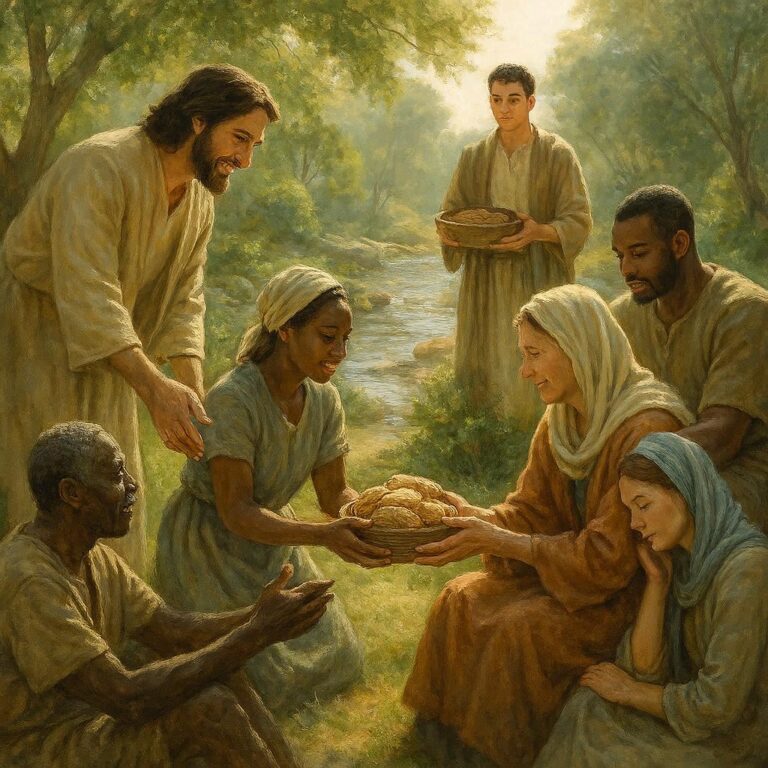
One of the most dominant themes in August is harvest. In ancient Israel, the harvest cycles dictated life, worship, and community. August corresponds to the tail end of the summer fruit harvest, particularly the grape harvest and the gathering of figs, pomegranates, and olives.
The Feast of Ingathering
While the major pilgrimage festivals—Passover, Pentecost, and Tabernacles—occur at specific times, the concept of harvest is woven throughout Scripture. Exodus 23:16 refers to the “Feast of Ingathering” at the end of the year, when crops are gathered in.
In a spiritual sense, August is a time to ask:
-
What have I planted earlier this year?
-
What is ready to be harvested in my life?
This is not about prosperity gospel promises of material wealth. It is about recognizing the fruit of your labor—whether that is in relationships, spiritual growth, character development, or ministry.
Practical Reflection: The Harvest Table
| Area of Life | What Was Planted | What Is Ready to Harvest |
|---|---|---|
| Spiritual | Daily prayer, scripture reading | Deeper intimacy with God, peace |
| Relational | Patience, forgiveness | Restored friendships, trust |
| Professional | Hard work, integrity | Opportunities, recognition |
| Personal | Discipline, self-care | Physical health, clarity of mind |
Take a moment to fill out a table like this for yourself. It can help you see how God is working in your current season.
Key Biblical Themes for August
August is a month where multiple spiritual threads come together. Let us explore the most prominent themes you can meditate on during this time.
1. The Principle of Preparation
As mentioned, the latter part of August often overlaps with the Hebrew month of Elul. This is a season of preparation. In the natural world, farmers prepare their tools and their land for the next planting season even as they bring in the last of the current harvest.
In your spiritual life, preparation might look like:
-
Repentance: Not in a sense of shame, but in the Hebrew word teshuvah, meaning “to return.” It is turning back toward God.
-
Organization: Getting your schedule, finances, or home in order for the fall.
-
Education: Many schools begin in August. This is a natural time to seek wisdom, as Proverbs 4:7 says, “The beginning of wisdom is this: Get wisdom.”
2. The Weight of Divine Order
August is the eighth month. In Scripture, the number eight is often associated with covenant and new creation.
-
Circumcision: Genesis 17:12 establishes the covenant of circumcision on the eighth day.
-
Consecration: In Leviticus 8–9, Aaron and his sons were consecrated as priests for seven days, and on the eighth day, the glory of the Lord appeared to the people.
-
New Beginnings: 1 Peter 3:20–21 connects the eight people saved in Noah’s ark to baptism, a symbol of new life.
This suggests that August can be a powerful time to enter into a new level of covenant relationship with God. It is an opportunity to say, “Lord, I am ready for what is next.”
3. Rest in the Midst of Labor
August is often a hot month. In many parts of the world, it is a time when people take vacations. Biblically, rest is not laziness; it is obedience.
God instituted the Sabbath as a sign of trust. In the heat of the summer, remember that you are not defined solely by your productivity. Jesus said in Mark 6:31:
“Come with me by yourselves to a quiet place and get some rest.”
If you have been running hard since the beginning of the year, August may be a divine invitation to pause.
Historical and Prophetic Connections
While the Bible does not name August, the events that occurred during this time frame—on the Hebrew calendar—offer prophetic insights.
The Destruction of the Temples (Tisha B’Av)
Tisha B’Av, which usually falls in July or August, is a day of collective grief. Both the First and Second Temples were destroyed on this date. For believers, this is a reminder that human structures, no matter how sacred, are not eternal.
However, the New Testament teaches that we are now the temple of the Holy Spirit (1 Corinthians 6:19). The destruction of the physical temples points to a greater truth: God desires to dwell in us. August can be a time to examine what “temples” we have built in our lives that may need to be surrendered.
The Northern Kingdom’s Fall
According to historical records, the Assyrian conquest of the Northern Kingdom of Israel (Samaria) occurred around this general season. This event was a judgment due to persistent idolatry. It serves as a sobering reminder to examine our own hearts for anything we have placed above God.
A Prophetic Word: Transition
If we look at the shift from Av (mourning) to Elul (preparation), August is a transitional month. It sits between the depth of sorrow and the height of repentance that leads to the joy of the New Year.
If you have been in a season of difficulty or grief, August may be the month where God begins to shift your circumstances. The transition may not be instantaneous, but the direction is changing.
Applying the Biblical Meaning of August to Your Life
Knowing the biblical themes is one thing. Applying them is another. Here are practical, realistic ways to honor the spiritual significance of August.
A Simple 4-Week Plan
You can use the four weeks of August to align with the biblical themes we have discussed.
Week 1: Reflection (The Av Principle)
-
Focus: Lament and honesty.
-
Action: Spend time in prayer asking God to reveal areas of brokenness or loss you have not fully processed. Read Lamentations 3:22–23, which reminds us that God’s mercies are new every morning.
-
Journal Prompt: What am I grieving that I haven’t brought to God?
Week 2: Preparation (The Elul Principle)
-
Focus: Returning to God.
-
Action: Begin a daily habit of teshuvah. This does not mean a heavy list of sins; it means intentionally turning your heart toward God. Read Psalm 139:23–24.
-
Journal Prompt: Where do I need to turn back to God?
Week 3: Harvest (The Ingathering Principle)
-
Focus: Gratitude and reaping.
-
Action: Identify three specific “harvests” in your life this year. Write thank-you notes to people who contributed to them. Read Colossians 3:15–17.
-
Journal Prompt: What fruit is evident in my life right now?
Week 4: Rest and Anticipation (The Sabbath Principle)
-
Focus: Trust and vision.
-
Action: Take a deliberate 24-hour period of rest. Do not work. Do not check email. Use the time to pray and simply be with God. Read Matthew 11:28–30.
-
Journal Prompt: What does God want me to release so I can rest?
The Power of the Eighth
Because August is the eighth month, consider doing something that symbolizes a new beginning. This could be:
-
Recommitting to a covenant: If you are married, plan a special date to renew your vows in a simple way. If you are single, renew your covenant with God.
-
Starting a new spiritual discipline: Commit to reading a chapter of Proverbs each day for the rest of the month (there are 31 chapters, so this works perfectly).
-
Consecrating something to God: Pray over your home, your children, or your workplace, dedicating the coming season to God.
Common Misconceptions and Realistic Expectations
When we talk about the biblical meaning of months, it is important to be grounded. You will not find a “thus says the Lord” verse about August 15th. Instead, we are looking at principles, patterns, and invitations.
What This Article Is Not Saying
-
It is not saying August is a “magical” month where prayers are automatically answered.
-
It is not predicting specific global events.
-
It is not replacing the authority of Scripture with calendar mysticism.
What This Article Is Saying
-
August is a meaningful time to reflect on biblical themes like harvest, preparation, and covenant.
-
The Hebrew months that overlap with August offer rich spiritual insights.
-
You can use this season intentionally to grow closer to God.
A Note on Discernment
As you explore spiritual meanings of seasons and months, always anchor yourself in Scripture. The Bible is our ultimate authority. Use calendars and seasons as tools, not as idols.
“Test all things; hold fast what is good.” – 1 Thessalonians 5:21
If a particular theme or practice does not resonate with you or feels forced, leave it. The goal is to draw nearer to God, not to accumulate spiritual information.
Biblical Figures and the Spirit of August
Though we cannot say for certain which biblical figures were born or experienced major events in August, we can look at figures who embody the themes of this month.
Moses: The Lawgiver Who Prepared a People
Moses spent 40 days on Mount Sinai twice. The second set of 40 days, during which God renewed the covenant after the golden calf incident, is traditionally associated with the month of Elul. This is the ultimate picture of preparation and intercession. Moses models for us what it means to stand in the gap for others and to seek God’s face in a season of transition.
Nehemiah: The Builder Who Grieved and Acted
Nehemiah heard about the broken walls of Jerusalem and mourned (like the spirit of Av). But his mourning turned into action. He prayed, planned, and prepared to rebuild. His story is a perfect picture of moving from lament to labor, from Av to Elul.
John the Baptist: The Voice of Preparation
John the Baptist’s entire ministry was about preparing the way for the Lord. His message of repentance echoes the call of Elul. In August, we can embody the spirit of John—pointing others to Jesus and making straight the paths in our own lives.
A Closer Look at the Number Eight
We have touched on the significance of the number eight, but it is worth exploring more deeply, as August is the eighth month.
Eight in the Old Testament
| Reference | Significance |
|---|---|
| Genesis 17:12 | Circumcision on the eighth day—covenant sign |
| Leviticus 9:1 | On the eighth day, Aaron began his priestly ministry |
| Leviticus 14:10 | Cleansing of a leper on the eighth day—restoration |
| 2 Chronicles 29:17 | Hezekiah cleansed the temple in eight days—purification |
Eight in the New Testament
| Reference | Significance |
|---|---|
| John 20:26 | Jesus appears to Thomas eight days after His resurrection—faith restored |
| 1 Peter 3:20 | Eight souls saved in the ark—salvation through water |
| Luke 9:28 | Jesus is transfigured about eight days after Peter’s confession—glory revealed |
The pattern is clear: eight is the number of new beginnings, covenant, and divine manifestation. As you move through August, ask yourself: What new beginning is God inviting me into?
Prayers and Declarations for August
Prayer is a practical way to align your heart with the season. Here are a few prayers inspired by the biblical themes of August.
A Prayer for Harvest
Lord, I thank You that You are the God of the harvest. I look back over this year and see Your hand. Help me to recognize the fruit You have produced in my life—even in the hard seasons. Give me eyes to see what is ready to be gathered. Amen.
A Prayer for Preparation
Father, as I enter this season of preparation, search my heart. Show me anything that is not aligned with Your will. Give me the courage to turn back to You. Prepare my heart for the new things You want to do in the coming months. Amen.
A Prayer for Covenant Renewal
Jesus, I thank You that You are the mediator of a new covenant. I renew my commitment to You today. I am Yours. Let Your will be done in my life as it is in heaven. I receive the new beginning You have for me. Amen.
Practical Resources for the Season
To help you make the most of this biblical perspective on August, here are a few simple resources you can use.
Scripture Reading Plan for August
-
Week 1 (Reflection): Lamentations 3, Psalm 13, Psalm 42
-
Week 2 (Preparation): Psalm 139, Joel 2:12–17, Romans 12:1–2
-
Week 3 (Harvest): John 15, Galatians 5:22–23, Colossians 1:9–12
-
Week 4 (Rest): Matthew 11:28–30, Hebrews 4, Psalm 23
Simple Habits for Spiritual Growth
-
Morning Prayer: Start each day with, “Lord, prepare my heart for what You have today.”
-
Midday Gratitude: Pause at noon to thank God for one “harvest” you see.
-
Evening Reflection: Ask, “Where did I see God’s hand today?”
Answering Difficult Questions
It is normal to have questions when exploring the biblical meaning of months. Let us address a few common ones.
Is it biblical to assign meaning to months?
The Bible itself assigns meaning to seasons, festivals, and days. God established the sun and moon to mark sacred times (Genesis 1:14). The Hebrew calendar is filled with meaning. While the months of the Gregorian calendar are not named in Scripture, the principles behind the seasons remain.
What if I don’t feel anything “spiritual” in August?
That is perfectly okay. Spiritual growth is not about feelings. The purpose of reflecting on biblical themes is not to manufacture an experience but to steward your time well. Even if you feel dry, you can still choose to rest, prepare, and trust God.
Can non-Jewish believers embrace Hebrew month themes?
Absolutely. The themes of repentance, preparation, and harvest are universal biblical principles. While we are not under the Old Testament law, we can learn from the rhythms God gave to His people. Romans 15:4 says, “For everything that was written in the past was written to teach us.”
Comparative Table: August in Different Spiritual Lenses
To give you a broader view, here is a comparison of how August is viewed across different biblical and traditional lenses.
| Lens | Focus | Key Theme |
|---|---|---|
| Gregorian Calendar | Eighth month | New beginnings, covenant |
| Hebrew Calendar (Av) | Mourning, Temple destruction | Grief turning to hope |
| Hebrew Calendar (Elul) | Repentance, preparation | Returning to God |
| Agricultural | Grape harvest, summer fruits | Reaping what you sowed |
| Liturgical (Western) | Season after Pentecost | Growth, discipleship |
| Liturgical (Eastern) | Dormition Fast (for some) | Reflection, preparation |
The Role of Community
While personal reflection is valuable, the Bible emphasizes community. In the Old Testament, the harvest was a communal celebration. In the New Testament, preparation for ministry often happened in community.
August can be a great time to:
-
Reach out to someone you have been meaning to connect with.
-
Join a small group or Bible study that starts in the fall.
-
Serve in your local church or community, as the fall season often brings increased needs.
Ecclesiastes 4:9–10 reminds us:
“Two are better than one, because they have a good return for their labor: If either of them falls down, one can help the other up.”
Do not walk through this season alone.
A Word of Caution: Avoiding Legalism
As with any spiritual practice, it is possible to turn a good thing into a rigid rule. The biblical meaning of August is an invitation, not a command.
If you find yourself feeling anxious because you are not “doing August right,” take a step back. Grace is the foundation of our faith. You are not earning God’s favor by following a seasonal theme. You are simply learning to walk with Him through time.
Paul warns against judging others in regard to festivals and new moons in Colossians 2:16–17. Use these themes as a guide, not as a gauge of your spirituality.
Conclusion: Embracing the Invitation of August
The biblical meaning of the month of August is rooted in preparation, harvest, and new beginnings. It is a time to look back with gratitude, evaluate the fruit of your labor, and prepare your heart for what lies ahead. Whether you are navigating grief or anticipating a fresh start, the themes of this season offer a framework for drawing closer to God.
As you walk through August, remember that your life is part of a larger story. God is at work in every season, including this one. Embrace the invitation to rest, reflect, and return to Him.
Frequently Asked Questions (FAQ)
1. Does the Bible mention the month of August?
No, the Bible does not mention August by name because the Gregorian calendar was created after the biblical era. However, the biblical themes of harvest, preparation, and covenant align with the season of August.
2. What Hebrew month is August?
August typically overlaps with the Hebrew months of Av (early to mid-August) and Elul (mid to late August). Each carries its own spiritual significance.
3. What is the spiritual significance of the number eight in the Bible?
The number eight symbolizes new beginnings, covenant, and resurrection. It appears in contexts such as circumcision on the eighth day and Jesus’ resurrection appearances.
4. How can I make August a spiritually meaningful month?
You can focus on themes of reflection, preparation, and gratitude. Consider a simple four-week plan that includes prayer, journaling, and intentional rest.
5. Is it necessary to follow the Hebrew calendar as a Christian?
No, it is not necessary. However, understanding the Hebrew calendar can enrich your appreciation of biblical rhythms and seasons. It is a tool, not a requirement.
6. What is Tisha B’Av, and why does it matter?
Tisha B’Av is the ninth day of the Hebrew month of Av, commemorating the destruction of the First and Second Temples. It is a day of mourning that also carries a prophetic hope for restoration.
7. Can August be a month of new beginnings?
Yes. As the eighth month, August carries the biblical symbolism of new beginnings and covenant renewal. It is a fitting time to start new spiritual habits or recommit to existing ones.
8. What should I do if I feel spiritually dry in August?
Spiritual dryness is normal. Use this time to rest and simply be present with God. Sometimes the most faithful thing we can do is show up, even when we do not feel inspired.
Disclaimer: This article is intended for informational and spiritual encouragement purposes. It is not a substitute for professional counseling, medical advice, or theological instruction from your local church leadership. The views expressed are based on biblical principles and historical context, and they are meant to help readers grow in their personal faith journey. Always test any spiritual practice against the clear teaching of Scripture.