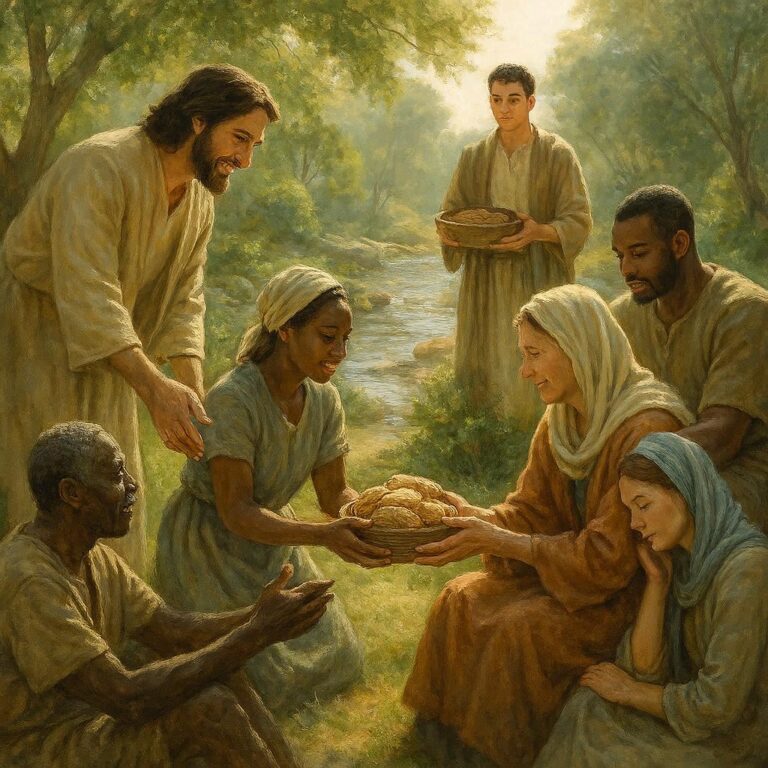
When you hear the word “splendor,” what comes to mind? Perhaps a brilliant sunrise over the mountains, a royal crown covered in jewels, or the quiet glow of a cathedral stained glass. These images are beautiful, but the biblical meaning of splendor goes much deeper.
In the Bible, splendor is not just about external beauty or wealth. It is a powerful word that describes the very nature of God, the dignity He gives to humanity, and the hope of a glorious future. Understanding this concept can change how you see your daily life, your struggles, and your purpose.
This guide will walk you through everything you need to know. We will explore Old Testament Hebrew words, New Testament Greek terms, real-life examples from biblical characters, and how you can experience true splendor in your own spiritual journey.
Let us begin.
What Does “Splendor” Actually Mean in the Bible?
Before we dive into specific verses, we need a clear definition. In everyday English, splendor means magnificent and brilliant appearance. But in Scripture, it carries three distinct layers.
First, splendor refers to God’s own radiant glory. It is the visible expression of His holiness, power, and majesty. When people in the Bible encountered God’s splendor, they often fell to the ground in awe.
Second, splendor describes the dignity and honor God gives to His creation. This includes the beauty of the natural world, the majesty of human beings made in God’s image, and the righteousness of faithful believers.
Third, biblical splendor is often connected to salvation and the future kingdom. It is not only a present reality but also a promise. One day, God’s people will share fully in His magnificent glory.
Important Note: Biblical splendor is never shallow or self-centered. It always points back to God as the source. When humans or idols claim their own splendor apart from God, that splendor fades or turns to judgment.
The Old Testament Words for Splendor
The Old Testament, originally written in Hebrew, uses several key words translated as “splendor,” “majesty,” or “glory.” Each one adds a unique shade of meaning.
Hod (הוֹד) – Majesty and Beauty
One of the most common words is hod. This term appears in Psalms and prophetic books. It means splendor, majesty, beauty, and even “ornament.” Hod often describes the dignity of a king or the breathtaking order of creation.
-
Psalm 96:6 – “Splendor and majesty are before him; strength and joy are in his dwelling place.”
-
Psalm 104:1 – “You are clothed with splendor and majesty.”
In these verses, hod is like a royal robe that God wears. It is not something He puts on occasionally. It is who He is. The entire universe reflects this hod.
Hadar (הָדָר) – Glory and Honor
Hadar is another powerful Hebrew word. It means ornament, glory, honor, or splendor. While hod focuses on majestic beauty, hadar emphasizes the weight of dignity and reverence.
-
Psalm 8:5 – “You have made them a little lower than the angels and crowned them with glory (hadar) and honor.”
-
Psalm 111:3 – “Glorious and majestic are his deeds, and his righteousness endures forever.”
Notice how hadar connects directly to human dignity. God crowns people with splendor. This means every human being carries a reflection of divine glory. Even in our brokenness, that original design remains.
Tipharah (תִּפְאָרָה) – Beauty and Glory
Tipharah often appears in prophetic books like Isaiah. It means beauty, glory, or adornment. This word carries a sense of visible, attractive brilliance.
-
Isaiah 60:1 – “Arise, shine, for your light has come, and the glory (tipharah) of the LORD rises upon you.”
-
Isaiah 61:3 – “To bestow on them a crown of beauty (tipharah) instead of ashes.”
Tipharah is deeply hopeful. It promises that God can turn mourning into beauty. Your pain and shame are not the final word. God’s splendor can restore and lift you up.
Quick Reference Table: Hebrew Words for Splendor
| Hebrew Word | Pronunciation | Core Meaning | Example Verse |
|---|---|---|---|
| Hod | hode | Majesty, splendor, beauty | Psalm 96:6 |
| Hadar | hah-DAHR | Glory, honor, ornament | Psalm 8:5 |
| Tipharah | tif-ah-RAH | Beauty, glory, adornment | Isaiah 60:1 |
These three words appear more than 100 times in the Old Testament. They show that splendor is not a rare or abstract idea. It is a central theme of Scripture.
Splendor in the New Testament: Glory Revealed
The New Testament continues this theme but adds a new focus: Jesus Christ. The Greek word most often translated as splendor or glory is doxa (δόξα). Doxa means honor, praise, and radiant brightness.
Jesus as the Radiance of God’s Glory
The most important New Testament statement about splendor appears in Hebrews 1:3:
“The Son is the radiance of God’s glory and the exact representation of his being.”
Think about that. Jesus does not merely reflect God’s splendor like the moon reflects the sun. He radiates it from within Himself. When you look at Jesus—His compassion, His miracles, His sacrifice, His resurrection—you see the true biblical meaning of splendor in human form.
The Transfiguration: Splendor Seen with Human Eyes
In Matthew 17:1-8, Jesus takes Peter, James, and John up a mountain. There, His face shines like the sun, and His clothes become as white as light. This event is called the Transfiguration.
For a brief moment, the disciples saw the uncreated splendor of God shining through Jesus’ humanity. Peter later wrote about this in 2 Peter 1:16-18, calling it “the majestic glory” of Christ.
What does this mean for you? It means that one day, believers will also share in this kind of radiant glory. Your future is not just floating on clouds. It is being transformed into something brilliantly beautiful.
Key Biblical Examples of Splendor
Let us look at specific stories and passages where splendor plays a major role. These examples will help you see the concept in action.
1. The Splendor of Creation (Psalm 19)
Psalm 19 opens with a famous line: “The heavens declare the glory of God.” The word for glory here is kavod (כָּבוֹד), which is closely related to splendor. The skies, the sun, the stars—they all speak a silent language of majesty.
Every morning, the sun rises like a bridegroom coming out of his tent. It runs its course with joy and power. This daily display of splendor is not random. It is a message. Creation tells you that God is great, beautiful, and trustworthy.
2. The Splendor of King Solomon (1 Kings 10)
King Solomon was famous for his wealth and wisdom. The Queen of Sheba traveled far to see his splendor. She saw his palace, his officials in their robes, and his burnt offerings at the temple. 1 Kings 10:7 says, “But I did not believe these things until I came and saw with my own eyes. Indeed, not even half was told me; in wisdom and wealth you have far exceeded the report I heard.”
However, Solomon’s splendor was a gift from God. Later in his life, he turned away from God. His earthly splendor faded. Jesus even mentioned this in Matthew 6:29, saying that Solomon in all his glory was not dressed like one simple wildflower. This contrast is crucial. Human splendor, no matter how impressive, is temporary without God.
3. The Loss of Splendor (Ezekiel 28)
The prophet Ezekiel describes the king of Tyre, but many scholars see a deeper reference to Satan’s fall. Ezekiel 28:13 says, “You were in Eden, the garden of God; every precious stone adorned you… Your settings and mountings were made of gold.”
This being had great splendor. But pride corrupted him. “Your heart became proud on account of your beauty, and you corrupted your wisdom because of your splendor” (Ezekiel 28:17). The result? He was cast down.
This is a sobering warning. Splendor that forgets its source becomes dangerous. True biblical splendor always remains humble and grateful.
4. The Future Splendor of God’s People (Isaiah 60)
Isaiah 60 is one of the most beautiful chapters in the Bible. It describes a future time when God’s light rises over His people. “Nations will come to your light, and kings to the brightness of your dawn” (Isaiah 60:3).
In that day, sorrow and shame end. God Himself becomes your everlasting light. Your gates will be called Praise, and your walls Salvation. This is not fantasy. It is a promise rooted in God’s character. He loves to take broken things and make them splendid.
Splendor and Holiness: Two Sides of the Same Coin
Many people today want splendor without holiness. They want the glory, the admiration, and the beauty, but they do not want the purity, the sacrifice, and the obedience. The Bible never separates these two.
Psalm 29:2 says, “Ascribe to the LORD the glory due his name; worship the LORD in the splendor of his holiness.”
Notice the phrase “splendor of his holiness.” Holiness is not boring or repressive. It is radiant, beautiful, and life-giving. God’s moral perfection shines like a diamond. When you pursue holiness—honesty, kindness, purity, justice—you actually become more splendid, not less.
Think of it this way. A diamond covered in mud does not reflect light. Clean it, cut it, and place it in sunlight, and it blazes with color. Holiness removes the mud. Splendor is the resulting shine.
Practical Ways to Experience Biblical Splendor Today
You do not need to wait for heaven to experience splendor. God offers glimpses of it right now. Here are practical, everyday ways to see and share His majesty.
1. Spend Time in Nature
Go outside. Look at the sky. Watch a sunset. Listen to birds. The Psalms repeatedly say that creation declares God’s splendor. You do not need a special spiritual technique. Just pay attention. Let the natural world preach its silent sermon to your heart.
2. Worship with Your Whole Heart
When you sing hymns or worship songs, you participate in heavenly splendor. Psalm 96:9 says, “Worship the LORD in the splendor of his holiness; tremble before him, all the earth.” Worship aligns your heart with God’s glory. It lifts your eyes above your problems to the One who is truly magnificent.
3. Serve Others Quietly
This might surprise you. How does serving relate to splendor? Remember, biblical splendor includes dignity and honor. When you feed the hungry, visit the lonely, or forgive someone who hurt you, you reflect God’s character. Matthew 5:16 says, “Let your light shine before others, that they may see your good deeds and glorify your Father in heaven.” Your good works are a form of splendid light.
4. Study Scripture with Expectation
The Bible is not a dry textbook. It is a love letter filled with glory. 2 Corinthians 3:18 promises that as you behold the Lord’s glory in Scripture, you are transformed into that same image. Reading the Bible is like looking into a mirror that changes you. Over time, you begin to shine with God’s splendor.
5. Cultivate Gratitude
Ingratitude makes everything dull. Gratitude makes everything splendid. When you thank God for small things—a warm meal, a friend’s smile, a good night’s sleep—you train your eyes to see His daily majesty. Psalm 100:4 invites you to enter His gates with thanksgiving. Gratitude is the key that unlocks the door to splendor.
Common Misunderstandings About Biblical Splendor
Let us clear up a few misconceptions. Many people confuse biblical splendor with other ideas. Avoid these errors.
Misunderstanding #1: Splendor Is Just Beautiful Decorations
Some churches focus heavily on gold, jewels, and ornate buildings. Beautiful art can honor God, but splendor is not the same as expensive decoration. The early church met in homes and even in catacombs (underground burial chambers). They had no gold altars, yet they experienced God’s power and glory. True splendor comes from God’s presence, not from human craftsmanship.
Misunderstanding #2: Splendor Is Only for Super-Spiritual People
Peter, James, and John saw Jesus transfigured. Moses saw the burning bush. Isaiah saw the Lord high and lifted up. It is easy to think that splendor is only for prophets and apostles. But the Bible promises that all believers will share in glory. Romans 8:30 says, “And those he predestined, he also called; those he called, he also justified; those he justified, he also glorified.” Glorification is the final step of salvation for every Christian. Splendor is your destiny, not just your pastor’s.
Misunderstanding #3: Splendor Means No More Suffering
This is a painful misunderstanding. Some preachers say that if you have enough faith, you will always be healthy, wealthy, and splendid. That is not biblical. The apostles who saw Jesus’ splendor also endured beatings, shipwrecks, and prison. Paul wrote in Romans 8:18, “I consider that our present sufferings are not worth comparing with the glory that will be revealed in us.” Splendor does not remove suffering now. It gives you hope through suffering. The splendor comes after the cross, not instead of it.
How Splendor Connects to Your Identity
Do you ever feel ordinary, unnoticed, or even worthless? The biblical meaning of splendor speaks directly to that feeling.
1 Corinthians 15:40-41 says, “There are also heavenly bodies and there are earthly bodies; but the splendor of the heavenly bodies is one kind, and the splendor of the earthly bodies is another. The sun has one kind of splendor, the moon another and the stars another; and star differs from star in splendor.”
Paul is teaching about the resurrection body. Just as the sun, moon, and stars each have their own unique glory, so each believer will have a unique, splendid resurrection body. You will not be a generic angel playing a harp. You will be you, fully alive, fully beautiful, fully glorious in a way that fits who God created you to be.
This means your identity is secure. You are not a mistake. You are not a disappointment. Even now, God sees you as someone destined for splendor. That truth can carry you through the darkest days.
A Deeper Look at Isaiah 60: The Splendor of Restoration
Isaiah 60 deserves a closer look because it is a masterpiece of biblical hope. Let us walk through it verse by verse.
Verse 1: “Arise, shine, for your light has come, and the glory of the LORD rises upon you.”
This is a command and a promise. God commands you to rise and shine, but He does not leave you to do it alone. His glory rises upon you like the sun. Your job is to stand up and reflect what He gives.
Verses 2-3: “See, darkness covers the earth and thick darkness is over the peoples, but the LORD rises upon you and his glory appears over you. Nations will come to your light, and kings to the brightness of your dawn.”
The world is dark. That is not a surprise to God. But in the middle of that darkness, you become a lighthouse. People will be drawn to the splendor they see in you.
Verses 4-7: These verses describe wealth flowing into God’s people—gold, frankincense, flocks of sheep. This is not about greed. It is a picture of God’s provision and the restoration of all things. The nations that once oppressed Israel will now bring their best gifts to honor God.
Verses 19-20: “The sun will no more be your light by day, nor will the brightness of the moon shine on you, for the LORD will be your everlasting light, and your God will be your glory.”
This is the final stage. In the new creation, you will not need the sun. God’s own presence will outshine every created light. Your glory will not fade because God Himself is your glory.
Isaiah 60 is not just poetry. It is a roadmap from shame to splendor. If you feel buried in darkness, read this chapter aloud. Let the words wash over you.
Splendor in the Psalms: A Daily Devotional Path
The Psalms are filled with splendor language. Here are three psalms to pray or meditate on this week.
Psalm 8: The Splendor of Human Dignity
“When I consider your heavens, the work of your fingers, the moon and the stars, which you have set in place, what is mankind that you are mindful of them?” (Psalm 8:3-4)
This psalm begins with cosmic splendor and then zooms in on you. Despite your smallness, God crowns you with glory and honor. You are only “a little lower than the angels.” This psalm fights against low self-worth. Read it when you feel insignificant.
Psalm 29: The Splendor of God’s Voice
“The voice of the LORD is over the waters; the God of glory thunders.” (Psalm 29:3)
This psalm describes a massive storm. Lightning flashes. Trees break. The desert shakes. And yet, at the end, “The LORD sits enthroned over the flood; the LORD is enthroned as King forever.” God’s splendor is not quiet or tame. It is powerful. But that same power protects His people. “The LORD gives strength to his people; the LORD blesses his people with peace.”
Psalm 96: The Splendor of Evangelism
“Declare his glory among the nations, his marvelous deeds among all peoples.” (Psalm 96:3)
Splendor is not meant to be hidden. It is meant to be shared. When you tell someone else about what God has done, you are participating in His global glory. Your testimony is a small but real piece of biblical splendor.
Comparison Table: Earthly Splendor vs. Biblical Splendor
| Feature | Earthly Splendor | Biblical Splendor |
|---|---|---|
| Source | Human achievement, wealth, fame | God’s presence and character |
| Duration | Temporary, fades quickly | Eternal, never diminishes |
| Effect on self | Often leads to pride or anxiety | Leads to humility and gratitude |
| Effect on others | Can create envy or admiration from afar | Draws people closer to God |
| Accessibility | Only for the rich, famous, or powerful | Available to everyone through faith |
| Ultimate purpose | Self-glorification | God’s glory and others’ good |
This table shows why chasing earthly splendor is exhausting. It never satisfies. You always need more. But biblical splendor flows from an infinite source. You can rest in it.
The Dark Side of Splendor: When Glory Becomes Idolatry
The Bible does not hide the dangers of splendor. Several characters pursued glory the wrong way. Their stories warn us.
King Nebuchadnezzar (Daniel 4)
This Babylonian king looked at his magnificent palace and said, “Is not this the great Babylon I have built as the royal residence, by my mighty power and for the glory of my majesty?” (Daniel 4:30). Immediately, God struck him with madness. He lived like an animal for seven years. Only when he looked to heaven did his sanity return. Nebuchadnezzar learned that “those who walk in pride he is able to humble” (Daniel 4:37).
Herod Agrippa (Acts 12)
Herod gave a public speech. The people shouted, “This is the voice of a god, not a man.” Herod accepted the praise instead of giving glory to God. Instantly, an angel struck him down, and he died. This is a terrifying example. Splendor that steals God’s glory is deadly.
The Rich Man (Luke 16)
Jesus told a story about a rich man who lived in splendor every day. He wore purple and fine linen. He feasted sumptuously. But he ignored a poor man named Lazarus at his gate. After death, the rich man suffered torment while Lazarus rested in Abraham’s arms. Earthly splendor did nothing for his eternal destiny.
These stories are not meant to scare you away from beauty or success. They are meant to protect you. Whenever you receive honor, praise, or admiration, quickly give thanks to God. Acknowledge Him as the true source. This small act of humility keeps your splendor healthy and holy.
How to Pray for Splendor
You might feel strange praying for splendor. It sounds proud. But the Bible actually encourages this kind of prayer, as long as the motive is right.
Here is a simple prayer you can use or adapt:
“Father in heaven, You alone are glorious and majestic. I ask You to reveal Your splendor to me today. Open my eyes to see Your beauty in creation, in Your Word, and in the people around me. Cleanse me from any pride or selfish ambition. Let any glory in my life point back to You. Transform me little by little into the image of Your Son. I want to shine for You, not for myself. In Jesus’ name, Amen.”
Pray this prayer each morning for one week. Notice how your perspective changes. You will start seeing splendor in unexpected places—a child’s laugh, a forgiven argument, a quiet moment of peace.
Splendor and the End Times: What Revelation Says
The book of Revelation is full of breathtaking images of splendor. These are not just colorful descriptions. They are promises.
Revelation 4 describes God’s throne room. A rainbow that looks like an emerald encircles the throne. Lightning and thunder come from it. Four living creatures covered with eyes worship day and night. This is not scary. It is magnificent.
Revelation 21 describes the New Jerusalem. The city is made of pure gold, like clear glass. The foundations are decorated with every kind of precious stone. The gates are each a single pearl. The street is pure gold. And the best part? “The glory of God gives it light” (Revelation 21:23).
Why does John use such lavish language? Because human words cannot fully capture God’s splendor. He uses the most precious things he knows—gold, jewels, pearls—as metaphors. But the reality will be infinitely greater.
Important Note: The goal of Revelation is not to make you obsessed with jewels. The goal is to make you long for God’s presence. The gold and gems are just the scenery. The main attraction is God Himself.
Ten Bible Verses About Splendor to Memorize
Memorizing Scripture transforms your mind. Here are ten verses on splendor. Pick one or two to start.
-
Psalm 96:6 – “Splendor and majesty are before him; strength and joy are in his dwelling place.”
-
Psalm 104:1 – “You are clothed with splendor and majesty.”
-
Isaiah 60:1 – “Arise, shine, for your light has come, and the glory of the LORD rises upon you.”
-
1 Chronicles 16:27 – “Splendor and majesty are before him; strength and joy are in his dwelling place.”
-
Psalm 111:3 – “Glorious and majestic are his deeds, and his righteousness endures forever.”
-
Job 37:22 – “Out of the north he comes in golden splendor; God comes in awesome majesty.”
-
Habakkuk 3:3-4 – “His glory covered the heavens and his praise filled the earth. His splendor was like the sunrise.”
-
Hebrews 1:3 – “The Son is the radiance of God’s glory and the exact representation of his being.”
-
2 Peter 1:17 – “He received honor and glory from God the Father when the voice came to him from the Majestic Glory.”
-
Revelation 21:11 – “It shone with the glory of God, and its brilliance was like that of a very precious jewel.”
Write these on index cards. Put them on your bathroom mirror or car dashboard. Let them sink into your heart.
Frequently Asked Questions (FAQ)
1. Is biblical splendor the same as glory?
They are closely related. Glory (kavod in Hebrew, doxa in Greek) is the broader term for God’s weighty presence and reputation. Splendor is often the visible, beautiful expression of that glory. You can think of glory as the fire and splendor as the brilliant light from that fire.
2. Can a poor person experience biblical splendor?
Absolutely. In fact, the poor often experience God’s splendor more purely because they have less earthly glory to distract them. James 2:5 says God chose the poor to be rich in faith. Splendor is a matter of the heart and spirit, not the bank account.
3. Does splendor apply to angels?
Yes. Angels are described as glorious beings. However, their splendor comes from standing in God’s presence. They never claim glory for themselves. In Revelation 19:10, an angel refuses worship and says, “Worship God!” True splendor always directs attention upward.
4. What is the difference between beauty and splendor in the Bible?
Beauty often focuses on form, harmony, and pleasantness. Splendor adds the idea of radiant power and majesty. A flower can be beautiful. A thunderstorm displays splendor. Both come from God, but splendor carries a sense of awe and even fear.
5. How can I tell if I am seeking my own splendor instead of God’s?
Ask yourself these questions: Do I feel angry when I am not recognized? Do I compare myself constantly to others? Do I exaggerate my achievements? Do I struggle to celebrate others’ success? Honest answers to these questions reveal the heart.
6. Will we see God’s splendor in heaven?
Yes, but not with ordinary eyes. 1 Timothy 6:16 says God dwells in unapproachable light. However, in the new creation, we will see Him clearly through the glorified Jesus Christ. The Beatific Vision (seeing God face to face) is the ultimate experience of splendor.
7. Is there a connection between splendor and the Holy Spirit?
Yes. The Holy Spirit is the agent of transformation. 2 Corinthians 3:18 says we are transformed from glory to glory by the Spirit. The Spirit takes the splendor of Jesus and works it into your character. The fruit of the Spirit—love, joy, peace—is a form of moral splendor.
Additional Resource
For further study, we highly recommend the book “The Glory of God” edited by Christopher W. Morgan and Robert A. Peterson. This collection of essays explores the biblical theology of glory from Genesis to Revelation. It is scholarly yet accessible, and it will deepen your understanding of splendor significantly.
👉 [Link to resource placeholder – check your local Christian bookstore or online retailer for “The Glory of God” (Theology in Community series)]
Final Thoughts: Your Life Can Be Splendid
You may have started this article thinking that splendor is only for cathedrals, angels, or far-off heaven. But now you see the truth. The biblical meaning of splendor touches every part of life.
-
Splendor is the sunrise and the starry night.
-
Splendor is the dignity God gave you when He made you in His image.
-
Splendor is the holiness that makes your character beautiful.
-
Splendor is the hope that your future is brighter than your past.
-
Splendor is Jesus, who left heaven’s glory to save you.
-
Splendor is the Spirit, who slowly transforms you.
-
Splendor is the promise that one day, you will shine like the sun in the kingdom of your Father.
Do not settle for cheap, fake glory. Do not chase fame, likes, or applause. They are smoke. Instead, seek the true source. Spend time with God. Read His Word. Love His people. Serve in secret. Forgive when it hurts. Give without recognition.
In doing these small, faithful acts, you are becoming splendid. Not because of who you are, but because of whose you are.
Go ahead. Arise and shine. Your light has come.
Conclusion
The biblical meaning of splendor centers on God’s radiant glory, the dignity He gives to humanity, and the hope of eternal transformation. Throughout Scripture, splendor connects to holiness, humility, and salvation rather than mere outward beauty. By seeking God’s glory above your own, you can experience true, lasting splendor that begins now and continues forever.