In the vibrant tapestry of the floral kingdom, where the rose speaks of love and the lily of purity, the zinnia proclaims a different, more resilient truth. Often overlooked in favor of more classical blooms, the zinnia is a testament to enduring beauty, a celebration of the individual spirit, and a humble reminder of the joy found in simple, steadfast presence. This is not a flower of fleeting romance or delicate sentiment; it is a bloom of substance, of friendship that withstands the test of time, and of a heart that remains cheerful through life’s inevitable summers and droughts.
To understand the zinnia is to embark on a journey into the soul of resilience. From its botanical hardiness to its explosion of unapologetic color, every aspect of the zinnia carries a deeper, spiritual resonance. This article will serve as your comprehensive guide, unraveling the layers of meaning behind this magnificent flower. We will explore its historical roots, its symbolic language across different contexts, and its potent applications in spiritual practice. We will learn how the zinnia can become a personal talisman for endurance, a tool for honoring our ancestors, and a catalyst for attracting lasting friendship and joy into our lives. Prepare to see this common garden flower in a brilliant, new, and soulful light.
1. Introduction: Beyond the Garden Gate
Imagine a flower that thrives where others wither. A bloom that, once planted, continues to produce a riot of color from early summer until the first hard frost, its sturdy stems standing unbothered by the intense heat of the midday sun. This is the zinnia. To the casual observer, it is a cheerful, low-maintenance garden staple. But to the spiritually attuned, it is a living lesson in perseverance. Its very existence is a declaration that beauty is not synonymous with fragility, and that true strength is found in the ability to consistently show up, bright and whole, day after day.
The spiritual journey of the zinnia invites us to examine our own capacity for endurance. It asks us: How do we remain vibrant during our personal droughts? How do we maintain our inner color when the world feels harsh and draining? This flower does not offer a secret of evasion but a strategy of resilience. It teaches us to draw nourishment from deep within, to stand tall in our truth, and to offer our unique gifts to the world without apology. As we delve into its symbolism, we will discover that the zinnia is far more than a pretty face in the garden; it is a guide, a companion, and a mirror reflecting our own everlasting spirit.
2. A Tapestry of History and Botany: The Zinnia’s Earthly Roots
To fully grasp the spiritual essence of any being, one must first understand its physical nature and its journey through time. The zinnia’s story is one of humble origins, scientific discovery, and a triumphant rise to global admiration.
Botanical Profile: The Anatomy of Resilience
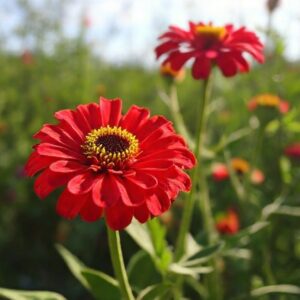
Scientifically classified under the genus Zinnia, these flowers belong to the sunflower family, Asteraceae. This botanical lineage is significant, connecting it to other spiritually potent flowers like the sunflower itself and the daisy. The “flower” we admire is actually a composite head, comprised of two types of florets: the vibrant, petal-like ray florets that form the outer circle, and the tiny, often tubular, disc florets that create the central cone. This structure is a beautiful metaphor for community and individuality—the ray florets are the diverse individuals, while the disc florets form the cohesive, nurturing center.
Zinnias are celebrated for their remarkable drought tolerance and their ability to thrive in full sun. They are prolific bloomers, with a single plant producing a succession of flowers that encourage deadheading—the practice of removing spent blooms to make way for new ones. This cycle of release and regeneration is a powerful spiritual lesson in itself, teaching us that letting go of what has passed is necessary for new growth and continued beauty. Their sturdy, often bristly stems are a physical manifestation of their core symbolic attribute: strength and steadfastness.
A Journey from Mexico: The Zinnia’s Historical Path
The zinnia is indigenous to the scrublands and grasslands of Southwestern North America, with a particular richness in Mexico. Known to the native peoples of these regions long before European contact, it was initially called “mal de ojos” or “sickness to the eyes” by the Spanish, likely due to its initially small, nondescript, purple-ish appearance in its wild form. This humble beginning makes its current diversity all the more remarkable—a true story of potential unlocked.
The flower’s journey to global prominence began in the 18th century when it was brought to Europe. It was named by the renowned botanist Carl Linnaeus after his friend and colleague, Johann Gottfried Zinn, a German professor of botany. For decades, the zinnia remained a botanical curiosity, not particularly prized for its beauty. It wasn’t until the late 19th and early 20th centuries, through intensive breeding and hybridization, that the zinnia transformed into the large, dazzling, and diverse flower we know today. This transformation from a “weed” to a celebrated garden beauty is a profound narrative of hidden potential, patience, and the power of cultivation—both in the garden and in the human soul.
3. The Core Spiritual Symbolism of the Zinnia
The zinnia’s physical characteristics and history have directly shaped its rich spiritual symbolism. Each attribute translates into a lesson for the soul.
Endurance and Lasting Affection: The Heart That Stands Strong
This is the cornerstone of the zinnia’s spiritual meaning. Its exceptional ability to bloom profusely in the harshest summer conditions makes it a natural emblem of endurance. Spiritually, it represents the strength of the human spirit to persevere through challenges, adversity, and emotional droughts. It is the flower you turn to when you need a reminder of your own inner fortitude.
This endurance directly translates to the realm of relationships as “lasting affection.” Unlike the passionate, sometimes fleeting, romance of a red rose, the affection symbolized by the zinnia is deep, stable, and reliable. It is the love of a lifelong friend, the bond between family members, and the steady commitment of a long-term partner. Gifting zinnias says, “My affection for you is not a fleeting sentiment; it is as constant and resilient as this flower.”
Celebration of Individuality: A Rainbow of Unique Souls
Walk through a patch of zinnias, and you will be met with an astonishing variety. They come in every color imaginable (except true blue), with forms ranging from single-layered, daisy-like blooms to intricate, dahlia-shaped pompons. Some are striped, speckled, or ombre. This incredible diversity is a spiritual celebration of individuality.
The zinnia encourages us to embrace our own unique qualities, our peculiarities, and our personal “color.” It teaches that we do not need to conform to a single standard of beauty or success to be valuable. In a spiritual sense, a garden of zinnias is a metaphor for a healthy community or society—a place where every individual is encouraged to bloom in their own unique way, contributing to a more beautiful and vibrant whole.
Friendship and Companionship: The Bloom of Kindred Spirits
Given its symbolism of lasting affection and its cheerful, approachable demeanor, the zinnia has naturally become a powerful symbol of friendship. It represents the kind of companionship that is easy, supportive, and joyful. A bouquet of zinnias is a perfect gift for a friend “just because,” symbolizing your appreciation for their presence in your life.
Spiritually, the zinnia can be used to attract new, like-minded friends or to strengthen existing bonds. Its energy is one of openness, warmth, and non-judgmental acceptance—the very foundations of true friendship. It reminds us to be a “zinnia friend”: reliable, brightening someone’s day, and steadfast through the seasons of life.
Whimsy, Joy, and the Lightness of Being
There is an undeniable whimsy to the zinnia. Its bold colors and sometimes quirky, pom-pom shapes evoke a sense of childlike delight and playfulness. Spiritually, it connects us to the energy of joy for joy’s sake. In a world often burdened by responsibility and worry, the zinnia is a call to remember the lightness of being.
Meditating with a zinnia or keeping one on your desk can help lift heavy energies, combat feelings of depression or stagnation, and invite more spontaneous joy into your daily experience. It is a flower that doesn’t take itself too seriously, teaching us that spiritual growth does not always have to be solemn; it can be a vibrant, joyful dance.
Remembrance and Honoring the Departed: An Everlasting Memory
Because of its long-lasting nature, both on the plant and as a cut flower, the zinnia has become associated with remembrance. It is a flower that says, “I will not forget you.” This makes it a deeply meaningful bloom to plant in a memory garden or to place on a grave site. Its continued blooming is a living tribute, a promise that the memory of a loved one continues to live on and bring beauty to the world.
The act of planting zinnias in remembrance is a powerful spiritual practice. As you tend to the plant, you are also tending to the memory of your loved one. Each new bloom can be seen as a message, a sign of their enduring presence in your life in a different form.
The Zinnia as a Symbol of Goodness and Moral Integrity
In the Victorian language of flowers, or floriography, the zinnia specifically carried the meaning of “thoughts of absent friends” or “goodness.” This attribution of “goodness” points to a symbolism of moral integrity and a pure heart. The zinnia, particularly the white variety, represents innocence of intention, kindness, and acting from a place of inherent virtue. It is a symbol of a soul that remains uncorrupted by cynicism or malice, much like the flower itself remains bright and untouched by the harsh conditions around it.
4. The Language of Color: A Chromatic Spiritual Guide
While the zinnia as a whole carries these overarching themes, the specific color of the bloom adds another, potent layer of spiritual meaning. Understanding this chromatic language allows you to work with zinnia energy with greater precision.
The Spiritual Meaning of Zinnia Colors
| Color | Primary Spiritual Meaning | Secondary Meanings | Best Used For |
|---|---|---|---|
| Red Zinnia | Steadfastness, Enduring Love | Passion, Strength, Courage | Strengthening commitment, igniting lasting passion, honoring long-term relationships. |
| Yellow Zinnia | Daily Remembrance, Joy | Friendship, Optimism, Mental Clarity | Honoring a loved one daily, attracting joy, boosting friendship, combating sadness. |
| Pink Zinnia | Lasting Affection, Gentle Love | Feminine Energy, Compassion, Harmony | Nurturing relationships, expressing gentle love, promoting self-compassion and emotional healing. |
| White Zinnia | Goodness, Spiritual Purity | Innocence, New Beginnings, Peace | Spiritual cleansing, setting pure intentions, rituals for peace, honoring the departed with purity. |
| Orange Zinnia | Vitality, Energy, Magnetism | Enthusiasm, Creativity, Confidence | Boosting personal energy, attracting opportunities, enhancing creativity and social magnetism. |
| Green Zinnia | Abundance, Growth, Heart Healing | Balance, Renewal, Nature Connection | Manifesting abundance (material/spiritual), healing the heart chakra, connecting with nature spirits. |
| Purple Zinnia | Royalty, Spirituality, Mysticism | Wisdom, Intuition, Connection to Cosmos | Deepening meditation, enhancing intuition, connecting with spiritual guides, honoring inner wisdom. |
Detailed Color Explorations:
-
Red Zinnia: This is the color of the root chakra and the life force. A red zinnia’s spiritual message is one of unwavering commitment and passionate endurance. It’s not the flash-in-the-pan passion of new romance, but the deep, smoldering fire of a love that has been tested and has proven strong. Spiritually, it can be used as a focal point to reinforce your commitment to a person, a project, or a spiritual path.
-
Yellow Zinnia: Ruled by the sun and connected to the solar plexus chakra, the yellow zinnia is a burst of solar energy. Its primary meaning of “daily remembrance” makes it uniquely suited for ongoing grief work. Instead of reserving remembrance for anniversaries, the yellow zinnia encourages you to incorporate the memory of a loved one into your daily life in a joyful, celebratory way. It also radiates pure, unadulterated joy and is a powerful antidote to negativity.
-
Pink Zinnia: Connected to the heart chakra, the pink zinnia is the essence of gentle, lasting love. It is the flower of a mother’s enduring love, the affection between sisters, or the deep, comfortable love of a long-standing partnership. Its energy is nurturing, soft, and harmonizing. Use pink zinnias to create a peaceful atmosphere in the home or to meditate on opening your heart to give and receive love more freely.
-
White Zinnia: As a symbol of purity and goodness, the white zinnia carries a high vibrational energy. It is excellent for space clearing and spiritual cleansing. Placing white zinnias on an altar can help to create a sacred, protected space for meditation or ritual. It represents a clean slate, making it powerful for rituals surrounding new beginnings, where one wishes to start with pure intentions and a clear conscience.
-
Orange Zinnia: A blend of red’s passion and yellow’s joy, the orange zinnia is pure life force energy. It is connected to the sacral chakra, governing creativity, and the solar plexus chakra, governing confidence. This flower is a spiritual tool for those feeling stagnant, lethargic, or uninspired. Its vibrant energy can help attract new opportunities, boost social confidence, and rekindle enthusiasm for life.
-
Green Zinnia: A rarer color in the floral world, green zinnias are deeply connected to the heart chakra and the energy of nature itself. They symbolize abundant growth—not just material wealth, but the growth of love, ideas, and spiritual understanding. They are powerful allies in heart healing, helping to release old wounds and make space for new, healthy emotional growth. Their very color is a meditation on the lush, abundant vitality of the Earth.
-
Purple Zinnia: Associated with the crown chakra and the third eye, the purple zinnia is the most mystical of the family. It symbolizes a connection to higher realms, spiritual wisdom, and the vastness of the cosmos. Using purple zinnias in your meditation space can help deepen your practice, enhance your intuition, and facilitate communication with your spiritual guides. It is a flower for the seeker, the mystic, and the wise soul.
5. The Zinnia in Spiritual and Energetic Practices
Knowing the symbolism is one thing; applying it is where the true magic happens. The zinnia can be a dynamic partner in your spiritual development.
Zinnia Essence and Flower Therapy: Energetic Healing
In the tradition of flower essences (like Bach flower remedies), a plant’s vibrational energy is captured in water and preserved. While a professional zinnia essence may be rare, the concept is perfectly applicable. You can create a simple, energetic infusion for yourself.
How to Make a Zinnia Solar Water Infusion:
-
On a clear, sunny morning, find a healthy, vibrant zinnia bloom.
-
With clear intention (e.g., “I infuse this water with the enduring strength of the zinnia”), place the freshly picked bloom in a clear glass bowl of pure spring water.
-
Leave the bowl in direct sunlight for 3-4 hours, allowing the sun to transfer the flower’s energy into the water.
-
Remove the flower with gratitude. The water can then be transferred to a glass bottle (a small amount of brandy can be added as a preservative if desired).
-
This energized water can be used in a spray to clear a room’s energy, added to your bathwater, or a few drops can be taken orally to absorb the zinnia’s resilient qualities.
Zinnia in Meditation and Visualisation: A Focus for Intentions
A zinnia is a perfect focal point for meditation.
-
For Endurance: Hold a red or orange zinnia. Gaze at its sturdy stem and vibrant petals. Close your eyes and visualize a beam of this strong, enduring energy rising from the base of your spine, fortifying your entire being. See yourself navigating a current challenge with the same resilience and vibrant strength.
-
For Joy: Meditate with a yellow zinnia. Inhale, imagining you are breathing in its bright, sunny energy. Let this light fill every cell, dissolving shadows of worry or sadness. Visualize your solar plexus (just above your navel) glowing with this same brilliant yellow light.
-
For Connection: Use a purple zinnia. As you gaze into its deep color, imagine its energy rising up through your body, activating your third eye and crown chakra. Visualize a beam of violet light connecting you to the cosmos, opening your mind to higher wisdom and spiritual insights.
Zinnia in Ritual and Ceremony: Honoring Life’s Cycles
Incorporate zinnias into your personal rituals:
-
A Friendship Ritual: To honor or attract a true friend, create a small altar with pink and yellow zinnias. Write the qualities you value in a friend on a small piece of paper and place it beneath the vase. Offer a gratitude for existing friends and set the intention to be a good friend in return.
-
A Ritual of Remembrance: On the birthday or anniversary of a loved one who has passed, plant a zinnia in their honor. As you place the plant in the earth, speak their name aloud and share a happy memory. Tend to this plant as an act of ongoing love and connection.
-
A New Beginning Ceremony: When starting a new job, moving to a new home, or embarking on a new phase of life, place white zinnias in your space. They will help to purify the energy and set the stage for a fresh, positive start built on goodness and integrity.
The Zinnia’s Connection to the Solar Plexus and Heart Chakras
The zinnia’s energy most strongly resonates with two key energy centers: the Solar Plexus Chakra (Manipura) and the Heart Chakra (Anahata).
-
Solar Plexus Chakra (Yellow): This is the seat of our personal power, self-esteem, and will. The zinnia’s symbolism of endurance, individuality, and joy directly fuels this chakra. When we feel weak, insecure, or unable to cope, working with yellow or orange zinnias can help to re-ignite our inner fire and restore our sense of personal strength.
-
Heart Chakra (Green/Pink): This center governs love, compassion, and relationships. The zinnia’s themes of lasting affection, friendship, and goodness are pure heart chakra medicine. Pink and green zinnias are particularly effective for opening a closed heart, healing from emotional hurt, and attracting loving relationships.
6. Cultural Perspectives and Mythological Threads
The zinnia’s spiritual meaning is further enriched by viewing it through different cultural lenses.
Native American Symbolism: A Practical and Spiritual Bloom
While specific myths about the zinnia are not widely documented, we can infer its significance from its practical uses. Native peoples of Mexico and the American Southwest would have lived alongside wild zinnias. The plant was likely valued for its durability and bright color. In many indigenous cultures, there is no hard separation between the practical and the spiritual. A plant that is hardy and provides vibrant color is also seen as possessing a strong spirit—one that can teach lessons about survival, resilience, and bringing beauty into a sometimes-harsh world. The zinnia may have been seen as a gift from the earth, a small, colorful embodiment of the land’s enduring spirit.
Victorian Flower Language: The Zinnia’s Secret Messages
During the Victorian era, when direct expression of emotion was often frowned upon, the “language of flowers” or floriography became a nuanced and secretive way to communicate. In this complex system, the zinnia held two primary meanings: “thoughts of absent friends” and “goodness.” Sending a bouquet containing zinnias was a clear message to the recipient: “I am thinking of you in your absence, and I remember you as a good person.” This aligns perfectly with the zinnia’s modern spiritual meanings of remembrance and moral integrity. It was a flower of loyalty and constancy in an often rigid and formal social structure.
Modern Interpretations: The Zinnia in Contemporary Spirituality
In today’s spiritual landscape, the zinnia has found a new resonance. As we face global challenges, climate anxiety, and personal stresses, the zinnia’s message of resilience is more relevant than ever. It is seen as an “anti-fragile” flower, one that actually gains strength from stressors like heat and drought. Modern spiritual practitioners see it as a powerful symbol for our times—a call to develop our own anti-fragile spirits. Furthermore, its celebration of diversity and individuality makes it a potent symbol for movements promoting self-love, LGBTQ+ pride, and the beauty of multiculturalism.
7. Practical Applications: Weaving Zinnia Energy into Your Life
The true power of spiritual knowledge lies in its application. Here is how you can actively invite the spirit of the zinnia into your daily life.
Creating a Spiritual Garden: Cultivating Zinnias with Intention
Planting zinnias is one of the most powerful ways to work with their energy.
-
Set an Intention: As you plant the seeds or seedlings, hold a clear intention in your mind. You might say, “I plant these zinnias as a reminder of my own inner strength and resilience,” or “May this garden be a magnet for joy and lasting friendship.”
-
Create a Color-Coded Garden: Plant different colors with specific purposes. A border of red zinnias for protection and endurance, a patch of pink for love, and a splash of yellow by the entrance to welcome joy.
-
Practice Mindful Gardening: Tending to your zinnias becomes a moving meditation. As you water them, feel gratitude for the nourishment in your own life. As you deadhead spent blooms, consciously release something that no longer serves you.
Zinnias in the Home: Sacred Decor for Energetic Shifts
A simple bouquet of zinnias can transform the energy of a room.
-
In the Entryway: Place yellow or orange zinnias in your foyer to create an uplifting, welcoming energy for all who enter your home.
-
On Your Desk: A small vase of zinnias on your workspace can help maintain your energy, foster creativity (orange), and promote endurance during long projects (red).
-
In the Bedroom: Pink or white zinnias on a bedside table can promote feelings of tenderness, peace, and harmonious relationships.
-
On Your Altar: Use zinnias that correspond with your current spiritual goals on your personal altar to amplify your intentions.
Gifting with Soul: The Deeper Meaning of a Zinnia Bouquet
Move beyond generic bouquets and gift zinnias with conscious meaning.
-
To a Friend Going Through a Hard Time: A mixed bouquet with strong reds and oranges says, “I see your strength, and I am here for you, steadfastly.”
-
To a New Friend: A cheerful bunch of yellow zinnias says, “I am so happy to have you in my life.”
-
To a Long-Term Partner: A bouquet of pink zinnias is a beautiful way to say, “My affection for you is deep and lasting.”
-
In Sympathy: A bouquet of white zinnias expresses pure goodness and offers a sense of peaceful remembrance.
8. The Zinnia and the Cosmos: A Symbol of Cosmic Order and Personal Constellation
Taking a step further, the zinnia can be viewed as a microcosm of the universe. Its composite head, with a central disc surrounded by radiating petals, mirrors the structure of a star system or a galaxy. The central cone is the sun, the stable center, and the ray florets are the orbiting planets, each on its own path yet part of a beautiful, cohesive whole.
Spiritually, this invites us to see ourselves as both the central sun and a radiating petal. We are the center of our own universe, our own consciousness, from which our life radiates. Simultaneously, we are a unique, bright point of light within the larger constellation of humanity, the planet, and the cosmos. The zinnia reminds us to find our center, to shine our unique light, and to understand our place within the vast, beautiful, and orderly dance of existence. Its enduring bloom is a testament to the enduring nature of the cosmos itself, and our own spirit as an inseparable part of that eternal tapestry.
9. Conclusion: The Everlasting Lesson of the Zinnia
The zinnia teaches us that true strength is vibrant and joyful.
It shows us that endurance is rooted in deep affection for life itself.
And it reminds us that our unique spirit is a vital gift to the whole world.
10. Frequently Asked Questions (FAQs)
Q1: What does it mean if a zinnia keeps appearing in my dreams?
Dreaming of zinnias often points to a need for more resilience, joy, or steadfastness in your waking life. Consider the color. A red zinnia may be urging you to stand your ground, while a yellow one could be a message to find joy in your daily routine or to remember a joyful person from your past. It can also symbolize a lasting friendship that needs attention.
Q2: Is the zinnia associated with a specific zodiac sign or planet?
While not traditionally tied to one sign, the zinnia’s attributes strongly align with Leo (vitality, joy, individuality) and Taurus (endurance, steadfastness, love of beauty and nature). Its connection to the sun is undeniable, given its sun-loving nature and vibrant colors, making it a flower of solar energy, governing vitality, will, and the self.
Q3: Can I use dried zinnias for spiritual purposes?
Absolutely. Dried zinnias retain their symbolic meaning, especially concerning remembrance and endurance. They are excellent for creating long-lasting talismans, dream pillows (to encourage joyful dreams), or for including in permanent altar arrangements focused on lasting bonds or the memory of a loved one.
Q4: How is the zinnia different from the marigold in spiritual meaning?
Both are vibrant, hardy flowers, but their spiritual paths diverge. Marigolds are intensely connected to protection, the afterlife, and sacred rituals in cultures like Mexico (Dia de los Muertos). Zinnias are more focused on the energy of the living: endurance through life’s challenges, celebration of individuality, and the cultivation of lasting, earthly friendships and joy.
Q5: What is the best way to choose a zinnia color for my specific situation?
Refer to the color table in this article. Let your intuition guide you. Go to a garden or nursery and see which color you are most drawn to in the moment. That is likely the color whose energy you need most. If you are seeking general endurance, a mixed bouquet containing all the colors can be a powerful representation of a whole and resilient spirit.