Imagine a luminous, spinning wheel of energy at the base of your spine, grounding you to the earth. Now, envision another, a vibrant splash of orange, just below your navel, pulsating with creative potential. Picture a third, a brilliant yellow sun at your core, radiating confidence and will. This is not fantasy; it is the ancient, sophisticated map of your inner world—the chakra system. For thousands of years, mystics, sages, and healers have understood that human existence is more than just flesh and bone. We are dynamic, energetic beings, and at the core of this energetic anatomy lies a series of seven primary centers, known as chakras.
The Sanskrit word “chakra” literally translates to “wheel” or “disk,” and these vortices are precisely that: spinning spheres of bioenergetic activity that receive, assimilate, and express life force energy. They form the central column of our subtle body, influencing everything from our primal survival instincts to our highest spiritual connections. To understand the chakras is to embark on the most profound journey one can take: the journey inward. It is to learn the language of your own soul, to decode the physical ailments and emotional patterns that hold you back, and to ultimately unlock your fullest potential for health, happiness, and enlightenment. This article is your guide on that journey. We will delve deep into the spiritual meaning of each of the seven chakras, exploring their unique essence, the consequences of their imbalance, and the transformative power of their harmony.
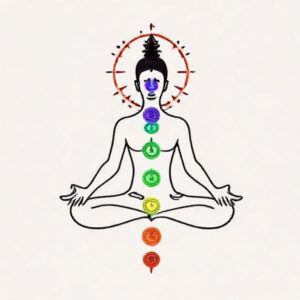
The Historical Tapestry: Origins of the Chakra System
The chakra system, as it is widely known today, finds its most detailed roots in the ancient spiritual traditions of India, particularly within the corpus of texts known as the Vedas and, more specifically, the Upanishads and the Yoga Upanishads. The earliest mentions of chakras appear in the Vedas, dating back to between 1500 and 500 BCE, but the system was most comprehensively elaborated upon in the Tantric traditions, around 600-1300 CE.
The primary textual sources for the classical seven-chakra system are the Sat-Cakra-Nirupana (Written by Purnananda Yogi in 1577 CE) and the Padaka-Pancaka, which were later translated by Sir John Woodroffe in his seminal 1919 book, The Serpent Power. It was through these works that the West was formally introduced to the intricate philosophy of the chakras and the Kundalini energy.
It is crucial to understand that the chakra system was not conceived as a physical anatomy to be dissected in a laboratory. It is a map of consciousness, a symbolic representation of the stages of spiritual awakening. Different traditions have described varying numbers of chakras—some 5, 7, 9, or even 12. The seven-chakra model has become the most prevalent in modern yoga and New Age thought because it provides a beautifully symmetrical and complete framework, mirroring the seven colors of the rainbow, the seven musical notes, and the seven days of the week, creating a holistic model that connects the microcosm of the individual with the macrocosm of the universe.
The Energetic Blueprint: Understanding Subtle Energy and Nadis
Before we can understand the chakras themselves, we must first grasp the medium in which they exist: Prana. Prana is the universal life force, the vital energy that animates all living things. It is the Qi of Chinese medicine, the Ki of Japanese Reiki, and the Breath of Life in Western esotericism. This energy flows through our subtle body via channels called Nadis.
Imagine your nervous system, but on an energetic level. The Nadis are a vast, intricate network of energy pathways—said to number in the thousands—that carry Prana to every part of our being. Among these, three are of paramount importance:
-
Ida: Associated with lunar, feminine, and cooling energy. It flows on the left side of the spine and is connected to the right hemisphere of the brain (governing creativity, intuition).
-
Pingala: Associated with solar, masculine, and heating energy. It flows on the right side of the spine and is connected to the left hemisphere of the brain (governing logic, action).
-
Sushumna: The central channel, running from the base of the spine to the crown of the head. It is the most important Nadi, representing spiritual equilibrium and the pathway for the ascent of Kundalini energy.
The chakras are located along the Sushumna Nadi, at the points where the Ida and Pingala Nadis cross. They act as transformers or junctions, stepping down the high-frequency universal energy of Prana into usable forms for our physical, emotional, and mental bodies. When the Nadis are clear and Prana flows freely, the chakras spin at an optimal rate and we experience health and vitality. When blockages occur, the flow is disrupted, leading to chakra imbalance and dis-ease.
The Seven Sacred Vortices: A Detailed Exploration
Now, let us embark on a detailed journey through each of the seven primary chakras, exploring their unique attributes, spiritual significance, and the profound lessons they hold.
1. Muladhara: The Root Chakra – The Foundation of Being
-
Sanskrit Name: Muladhara (Mula = Root, Adhara = Base or Support)
-
Location: Base of the spine, perineum region.
-
Color: Vibrant, deep red.
-
Element: Earth.
-
Symbol: A four-petaled lotus surrounding a downward-pointing triangle and a yellow square. The square represents the stability of the earth element.
-
Mantra/Bija Sound: LAM.
The journey begins at the Root, our fundamental connection to the physical world. Muladhara is the foundation upon which the entire chakra system is built. It governs our most basic human needs: survival, security, stability, and sustenance. It is our energetic “root system,” grounding us to the Earth and providing the sense of safety and belonging necessary to thrive.
Spiritual Meaning and Lessons:
The core spiritual question of Muladhara is: “Am I safe?” This chakra is about our right to be here, to exist and take up space. It is the instinctual energy that drives us to seek food, shelter, and community. When Muladhara is balanced, we feel grounded, confident in our ability to meet life’s challenges, and connected to our physical bodies. We have a deep, unshakable sense of trust in the process of life.
A balanced Root Chakra allows us to be fully present in our bodies and in the material world, understanding that spirituality is not an escape from physicality but a celebration of it. The lesson here is to build a stable and secure foundation from which our spirit can safely ascend. Without this solid base, any spiritual work on the higher chakras will feel ungrounded and potentially unstable, like building a mansion on sand.
Signs of Imbalance:
-
Deficient (Underactive): Anxiety, fearfulness, feeling “spaced out” or ungrounded, financial instability, poor focus, weak physical boundaries, fatigue.
-
Excessive (Overactive): Greed, materialism, hoarding, rigid resistance to change, obsession with security, sluggishness, obesity.
2. Svadhishthana: The Sacral Chakra – The Seat of Creativity and Flow
-
Sanskrit Name: Svadhishthana (Sva = Self, Adhishthana = Dwelling Place) – often translated as “One’s Own Abode.”
-
Location: Lower abdomen, about two inches below the navel.
-
Color: Luminous, warm orange.
-
Element: Water.
-
Symbol: A six-petaled lotus.
-
Mantra/Bija Sound: VAM.
Ascending from the solid earth, we enter the fluid, dynamic realm of the Sacral Chakra. Svadhishthana is the center of our emotions, sensations, pleasure, and creativity. Just as water flows, adapts, and fills any container, this chakra governs our ability to “go with the flow,” to embrace change, and to experience the richness of life through our senses. It is the seat of our relationships with others and, crucially, our relationship with ourselves.
Spiritual Meaning and Lessons:
The core spiritual question of Svadhishthana is: “Am I allowed to feel and desire?” This chakra moves us beyond mere survival into the realm of experience. It is associated with procreation, but its creative energy extends far beyond sexuality to encompass all forms of creation—art, music, ideas, and children. A balanced Sacral Chakra allows us to experience pleasure without guilt, to honor our emotions as valuable guides, and to engage in healthy, connective relationships.
The spiritual lesson here is one of acceptance and fluidity. It teaches us to honor the ever-changing nature of our emotions and the world around us, rather than resisting it. It is about embracing the full spectrum of human experience, understanding that pleasure and pain, joy and sorrow, are all part of the sacred dance of life.
Signs of Imbalance:
-
Deficient (Underactive): Lack of creativity, low libido, emotional numbness, fear of pleasure, rigidity, dryness (both emotional and physical), infertility.
-
Excessive (Overactive): Emotional dependency, sexual addiction, obsessive attachment to people or things, dramatic mood swings, poor boundaries, codependency.
3. Manipura: The Solar Plexus Chakra – The Core of Personal Power
-
Sanskrit Name: Manipura (Mani = Jewel, Pura = City) – The “City of Jewels.”
-
Location: Upper abdomen, solar plexus region (from the navel to the breastbone).
-
Color: Bright, shining yellow, like the sun.
-
Element: Fire.
-
Symbol: A ten-petaled lotus.
-
Mantra/Bija Sound: RAM.
Rising from the watery depths of the Sacral, we come to the fiery furnace of our personal power: the Solar Plexus Chakra. Manipura is our core. It is the engine of our will, our self-esteem, our motivation, and our ability to take action in the world. This is the chakra that transforms our creative ideas and emotional desires into tangible reality. It is the sun of our personal universe, radiating confidence and purpose.
Spiritual Meaning and Lessons:
The core spiritual question of Manipura is: “Am I powerful and effective?” This is not about power over others, but about personal mastery and self-determination. A balanced Solar Plexus Chakra gives us a strong sense of self, healthy self-esteem, and the ability to set and achieve goals. It allows us to make decisions confidently, to take responsibility for our lives, and to wield our personal power with integrity.
The spiritual lesson of Manipura is to learn the difference between willfulness and true will. Willfulness is the ego’s desire to control, while true will is the ability to align our personal actions with a higher purpose or soul’s calling. It is about becoming the confident, capable, and compassionate author of our own life story.
Signs of Imbalance:
-
Deficient (Underactive): Low self-esteem, lack of direction, difficulty making decisions, victim mentality, passive, weak willpower, poor digestion.
-
Excessive (Overactive): Dominating, controlling, aggressive, need to be right, workaholic, judgmental, manipulative, anger issues.
4. Anahata: The Heart Chakra – The Bridge Between Earth and Heaven
-
Sanskrit Name: Anahata (Unstruck or Unbeaten) – referring to the sound that is made without two things striking.
-
Location: Center of the chest.
-
Color: Luminous green (and sometimes pink).
-
Element: Air.
-
Symbol: A twelve-petaled lotus surrounding two intersecting triangles, forming a six-pointed star (the Seal of Solomon).
-
Mantra/Bija Sound: YAM.
The first three chakras form our earthly foundation, dealing with survival, emotion, and power. The final three are our spiritual centers, governing intuition, vision, and transcendence. The Heart Chakra, Anahata, is the sacred bridge between these two realms. It is the center of unconditional love, compassion, forgiveness, and connection. The “unstruck sound” of its name refers to the vibration of pure, divine love that exists beyond the physical realm—the music of the soul.
Spiritual Meaning and Lessons:
The core spiritual question of Anahata is: “Am I loved, and can I love?” This goes far beyond romantic or conditional love. It is the love that connects all beings, the recognition of the divine in oneself and in others. A balanced Heart Chakra allows us to give and receive love freely, to feel deep empathy, to forgive ourselves and others, and to experience profound inner peace and acceptance.
The spiritual lesson of Anahata is the most challenging and the most liberating: to love without attachment. It is to move from the ego’s transactional love (“I will love you if…”) to the soul’s unconditional love. It teaches us that true love is not a feeling to be grasped, but a state of being to be radiated. It is through an open heart that we truly begin to heal ourselves and the world.
Signs of Imbalance:
-
Deficient (Underactive): Inability to forgive, loneliness, isolation, jealousy, coldness, fear of intimacy, lack of empathy.
-
Excessive (Overactive): Codependency, smothering love, poor boundaries, self-sacrifice to the point of martyrdom, clinging to relationships.
5. Vishuddha: The Throat Chakra – The Center of Authentic Expression
-
Sanskrit Name: Vishuddha (Purification).
-
Location: Throat.
-
Color: Bright sky blue or turquoise.
-
Element: Ether (or Space).
-
Symbol: A sixteen-petaled lotus.
-
Mantra/Bija Sound: HAM.
Having opened our hearts to love, we must find a voice for that love. The Throat Chakra, Vishuddha, is the center of communication, self-expression, and truth. It governs not only our ability to speak but also to listen deeply. The element of Ether (Akasha) represents the space in which all things exist and the medium through which vibration (sound) travels. Vishuddha is thus our personal connection to the cosmic vibration, the channel through which our inner truth becomes manifest in the outer world.
Spiritual Meaning and Lessons:
The core spiritual question of Vishuddha is: “Am I expressing my authentic truth?” This chakra is about integrity—the alignment between what we think, what we feel, what we believe, and what we say and do. A balanced Throat Chakra allows for clear, honest, and compassionate communication. It empowers us to speak our truth, to use our voice creatively, and to listen with an open mind and heart.
The spiritual lesson of Vishuddha is purification. It calls us to purify our speech—to release gossip, criticism, and lies—and to use our voice as an instrument of healing, creativity, and truth. It is about finding your unique “note” in the cosmic symphony and having the courage to sing it. When this chakra is open, our words carry power and intention, and we can manifest our desires through the vibrational quality of our expression.
Signs of Imbalance:
-
Deficient (Underactive): Fear of speaking, shyness, a weak voice, feeling misunderstood, inability to express thoughts and feelings, creative blocks.
-
Excessive (Overactive): Talking too much, inability to listen, gossiping, harsh or critical speech, dogmatic opinions, dominating conversations.
6. Ajna: The Third Eye Chakra – The Throne of Intuition
-
Sanskrit Name: Ajna (To Perceive, Command).
-
Location: Center of the forehead, between the eyebrows.
-
Color: Indigo, deep blue-purple.
-
Element: Light (or beyond the elements).
-
Symbol: A two-petaled lotus (representing the duality of Shiva and Shakti, or the Ida and Pingala nadis uniting), often with an inverted triangle and the sacred symbol OM inside.
-
Mantra/Bija Sound: OM (or AUM).
Beyond the realm of spoken words lies the domain of direct knowing. Ajna, the Third Eye Chakra, is the seat of intuition, insight, imagination, and wisdom. It is our inner vision, the “mind’s eye” that sees beyond the illusions of the physical world and perceives the deeper patterns, truths, and connections. When the Third Eye is open, we move from believing to knowing, from guessing to seeing.
Spiritual Meaning and Lessons:
The core spiritual question of Ajna is: “Am I able to see the truth beyond illusion?” This chakra is the command center of our consciousness, where we access higher guidance, psychic abilities, and a panoramic perspective on our life’s path. A balanced Third Eye allows for clear thought, strong intuition, good memory, and the ability to visualize and manifest. It helps us to detach from the drama of the lower ego and perceive the bigger picture.
The spiritual lesson of Ajna is to trust the wisdom that comes from within, rather than relying solely on external authorities or the five senses. It is about quieting the constant chatter of the mind to hear the silent, knowing voice of the soul. It teaches us to discern between the ego’s fantasies and the soul’s true visions, ultimately leading to self-realization and the awakening of our inner guru.
Signs of Imbalance:
-
Deficient (Underactive): Lack of imagination, poor intuition, rigid thinking, cynicism, difficulty seeing future possibilities, forgetfulness, reliance only on logic.
-
Excessive (Overactive): Hallucinations, delusions, living in a fantasy world, headaches, nightmares, difficulty concentrating.
7. Sahasrara: The Crown Chakra – The Portal to the Divine
-
Sanskrit Name: Sahasrara (Thousand-petaled).
-
Location: Crown of the head.
-
Color: Violet, white, or gold; often depicted as a thousand-petaled lotus radiating pure light.
-
Element: Thought / Cosmic Energy (beyond all elements).
-
Symbol: A thousand-petaled lotus.
-
Mantra/Bija Sound: Silence (or the subtle sound of OM).
The culmination of the chakra journey is Sahasrara, the Crown Chakra. This is not a chakra of personality but of pure consciousness. It is our point of direct connection to the Divine, the Universe, God, or the Source of all that is. When this chakra is fully awakened, the sense of a separate “I” dissolves into a profound experience of unity, bliss, and enlightenment.
Spiritual Meaning and Lessons:
The core spiritual question of Sahasrara is: “Am I connected to the Divine?” This chakra transcends all duality, all stories, and all individual identity. It is pure being. A balanced Crown Chakra does not mean one is in a permanent state of ecstasy, but rather that one lives with a deep, abiding sense of connection to a higher power and a trust in the divine order of the universe. It brings inner peace, wisdom, and a understanding of one’s place in the cosmic tapestry.
The spiritual lesson of Sahasrara is surrender. It is the ultimate letting go of the ego’s need to control and understand everything. It is about allowing the divine energy to flow down through the opened central channel, illuminating all the lower chakras and infusing our entire being with spiritual purpose. The journey through the chakras is ultimately about preparing the vessel (the individual self) to receive this divine grace.
Signs of Imbalance:
-
Deficient (Underactive): Apathy, spiritual cynicism, feeling disconnected from life and others, materialism, closed-mindedness, depression, learning difficulties.
-
Excessive (Overactive): Spiritual addiction, dissociation from the body and earthly responsibilities, confusion, psychosis.
The Chakra Spectrum: Imbalance, Balance, and Their Manifestations
A healthy chakra system is not a static state where each chakra is perfectly balanced at all times. It is a dynamic, fluid system that constantly adjusts to our life experiences, thoughts, and emotions. Imbalance is a natural part of being human. The goal is not perfection, but awareness and the ability to self-correct.
The table below provides a concise overview of the manifestations of imbalance and balance across the seven chakras.
The Seven Chakras at a Glance – Balance vs. Imbalance
| Chakra | Location | Balanced State | Deficient (Underactive) | Excessive (Overactive) |
|---|---|---|---|---|
| Root (Muladhara) | Base of Spine | Grounded, secure, stable, trusting | Anxious, fearful, ungrounded, poor focus | Materialistic, greedy, resistant to change |
| Sacral (Svadhishthana) | Lower Abdomen | Creative, flowing, emotional balance, sensual | Lack of creativity, low libido, emotional numbness | Emotionally volatile, addictive, codependent |
| Solar Plexus (Manipura) | Upper Abdomen | Confident, empowered, good self-esteem, motivated | Low self-esteem, indecisive, passive, victim mentality | Controlling, aggressive, domineering, angry |
| Heart (Anahata) | Center of Chest | Compassionate, loving, forgiving, connected, peaceful | Cold, lonely, isolated, unable to forgive, jealous | Smothering love, poor boundaries, codependent |
| Throat (Vishuddha) | Throat | Truthful, good communicator, creative expression | Shy, quiet, difficulty expressing truth, creative block | Talks too much, gossips, doesn’t listen, critical |
| Third Eye (Ajna) | Between Eyebrows | Intuitive, insightful, imaginative, clear-thinking | Poor intuition, rigid thinking, cynical, forgetful | Delusional, spaced out, headaches, fantasy-prone |
| Crown (Sahasrara) | Top of Head | Spiritual connection, wise, peaceful, unified | Apathetic, spiritually cynical, disconnected, materialistic | Overly intellectual, dissociated, spiritual addiction |
The Practical Path: Techniques for Chakra Balancing and Activation
Understanding the chakras is the first step; working with them is where the transformation occurs. Here are powerful, practical techniques to bring your chakra system into greater harmony.
1. Meditation and Visualization
This is the most direct way to influence your chakras. Sit in a comfortable, quiet space. Bring your awareness to your breath. Starting at the Root Chakra, visualize a spinning wheel of red light at the base of your spine. Feel its energy—stable, secure, and grounding. Move up to the Sacral Chakra, envisioning a vibrant orange orb, feeling its creative, flowing energy. Continue this process up through each chakra, spending a few minutes on each one, visualizing its associated color and qualities. You can imagine a beam of white light traveling up the Sushumna, clearing and energizing each center.
2. The Power of Sound and Mantra
Each chakra has a specific vibrational frequency, represented by its Bija (seed) mantra. Chanting these sounds can help to “tune” the chakra, clearing blockages and restoring its natural resonance.
-
Root: LAM
-
Sacral: VAM
-
Solar Plexus: RAM
-
Heart: YAM
-
Throat: HAM
-
Third Eye: OM
-
Crown: (Silence, or the subtle vibration of OM)
You can chant these aloud or internally. Using singing bowls, tuning forks, or binaural beats tuned to the specific frequencies of the chakras is also profoundly effective.
3. Yoga Asanas for Each Chakra
Yoga postures can stimulate and balance the energy in specific areas of the body.
-
Root: Standing poses like Mountain Pose (Tadasana), Warrior Poses (Virabhadrasana I & II).
-
Sacral: Hip-opening poses like Pigeon Pose (Eka Pada Rajakapotasana), Bound Angle Pose (Baddha Konasana).
-
Solar Plexus: Core-strengthening poses like Boat Pose (Navasana), twists like Revolved Chair Pose (Parivrtta Utkatasana).
-
Heart: Chest-opening poses like Camel Pose (Ustrasana), Cobra Pose (Bhujangasana), Bridge Pose (Setu Bandhasana).
-
Throat: Poses that align the neck, like Fish Pose (Matsyasana), Shoulderstand (Sarvangasana).
-
Third Eye: Poses that bring the forehead to the floor, like Child’s Pose (Balasana), and forward folds like Dolphin Pose.
-
Crown: Meditation poses like Lotus Pose (Padmasana), and inversions like Headstand (Sirsasana) which directly stimulate the crown.
4. Crystals and Gemstones
Crystals carry specific energetic signatures that can resonate with the chakras.
-
Root: Red Jasper, Smoky Quartz, Hematite, Black Tourmaline.
-
Sacral: Carnelian, Orange Calcite, Moonstone.
-
Solar Plexus: Citrine, Yellow Jasper, Tiger’s Eye.
-
Heart: Rose Quartz, Green Aventurine, Jade, Rhodonite.
-
Throat: Lapis Lazuli, Sodalite, Aquamarine, Blue Lace Agate.
-
Third Eye: Amethyst, Lepidolite, Azurite, Purple Fluorite.
-
Crown: Clear Quartz, Selenite, Amethyst, Howlite.
Place the corresponding stone on the chakra location during meditation or carry them with you throughout the day.
5. Aromatherapy and Essential Oils
Scents can directly impact our limbic system, which governs emotion and memory.
-
Root: Patchouli, Cedarwood, Vetiver.
-
Sacral: Sandalwood, Ylang-Ylang, Jasmine.
-
Solar Plexus: Bergamot, Lemon, Rosemary.
-
Heart: Rose, Lavender, Bergamot.
-
Throat: Peppermint, Chamomile, Frankincense.
-
Third Eye: Lavender, Frankincense, Clary Sage.
-
Crown: Frankincense, Myrrh, Lotus.
Use in a diffuser, add to a carrier oil for a chakra-balancing massage, or simply inhale the scent directly.
6. The Role of Diet and Nutrition
The food we eat carries Prana (life force). Eating fresh, vibrant, whole foods in colors corresponding to the chakras can support their health.
-
Root: Red foods (beets, tomatoes, red apples), protein-rich foods.
-
Sacral: Orange foods (oranges, carrots, sweet potatoes), fluids.
-
Solar Plexus: Yellow foods (bananas, corn, yellow peppers), complex carbohydrates.
-
Heart: Green foods (leafy greens, broccoli, green beans).
-
Throat: Blue foods (blueberries, blackberries), liquids like herbal teas.
-
Third Eye: Indigo/purple foods (eggplant, purple grapes, purple cabbage).
-
Crown: Fasting, detoxifying foods, light foods; connecting to the prana in air and sunlight.
The Journey of Kundalini: The Ultimate Spiritual Ascent
The chakra system is intrinsically linked to one of the most profound concepts in yogic philosophy: Kundalini. Often depicted as a coiled serpent sleeping at the base of the spine (in the Muladhara chakra), Kundalini is the dormant, primal spiritual energy within every human being. The entire spiritual path, from a yogic perspective, is the process of awakening this serpent and guiding her upward through the Sushumna Nadi, piercing each chakra along the way.
As Kundalini rises, she purifies and energizes each center, dissolving deep-seated samskaras (karmic imprints) and unlocking higher states of consciousness. Piercing the Heart Chakra brings overwhelming love and compassion. Awakening the Third Eye brings profound insight and intuition. Finally, when she reaches the Crown Chakra, the individual self merges with the universal Self in a state of Samadhi, or enlightenment. This is the ultimate purpose of the chakra system: to serve as a roadmap for this sacred, inner journey of Self-realization.
Chakras in the Modern World: A Relevant Framework for Well-being
While ancient in origin, the chakra system offers an incredibly relevant and holistic framework for navigating the complexities of modern life. It provides a language for understanding the root causes of our stress, anxiety, and dissatisfaction.
-
Feeling ungrounded and anxious? Look to your Root Chakra and incorporate more grounding practices.
-
Struggling with creative blocks or emotional numbness? Your Sacral Chakra may need attention.
-
Lacking confidence at work or in relationships? Strengthen your Solar Plexus Chakra.
-
Feeling disconnected from others? Open your Heart Chakra.
-
Unable to speak your truth? Balance your Throat Chakra.
By using this system as a diagnostic and therapeutic tool, we can move beyond merely treating symptoms and begin to address the energetic root of our dis-ease, leading to more sustainable and profound healing.
Conclusion: Weaving the Rainbow Within
The seven chakras are not separate, isolated points but an interconnected, luminous rainbow bridge within. From the grounding red of the Root to the transcendent violet of the Crown, each energy center holds a key to a different facet of our human and spiritual experience. The journey of balancing the chakras is a lifelong practice of self-discovery, healing, and integration. It is the sacred work of weaving all the disparate parts of ourselves—the physical, emotional, mental, and spiritual—into a harmonious and radiant whole. By tending to this inner garden of energy, we not only transform our own lives but also become beacons of light, love, and conscious awareness in the world.
Frequently Asked Questions (FAQs)
1. Can I work on all my chakras at once, or should I focus on one?
It is beneficial to do both. A general balancing meditation that moves through all seven chakras is excellent for overall maintenance. However, if you are dealing with a specific issue (e.g., low self-esteem), it can be very effective to focus more intensive work (specific yoga poses, affirmations, crystals) on the related chakra (Solar Plexus, in this case) for a period of time.
2. How long does it take to balance a chakra?
There is no definitive timeline. Chakra balancing is a process, not a destination. Some shifts can be felt immediately after a powerful meditation or healing session, while deeper, core issues may take months or years of consistent practice to resolve. Be patient and compassionate with yourself.
3. Is the chakra system a religious belief?
No, it is a philosophical and energetic framework. While it originated in the spiritual traditions of India, it does not require adherence to any specific religion. It is a map of human consciousness that can be used by anyone, regardless of their faith, to understand their inner world and promote well-being.
4. Can chakra work replace medical or psychological treatment?
Absolutely not. Chakra work is a powerful complementary practice that should be used in conjunction with, not as a replacement for, conventional medicine and psychological therapy. If you have a serious physical or mental health condition, please consult a qualified healthcare professional.
5. How do I know which of my chakras are blocked?
Reflect on the “Signs of Imbalance” for each chakra listed in this article. Which descriptions resonate most with your current life challenges, emotional patterns, or physical ailments? Your intuition is also a powerful guide. Often, the chakra you feel drawn to work on or the one you feel is “closed” is the one that needs your attention.
Additional Resources
-
Books:
-
Wheels of Life: A User’s Guide to the Chakra System by Anodea Judith (The modern classic on the subject).
-
The Serpent Power by Sir John Woodroffe (The foundational text for the Western understanding of chakras).
-
Eastern Body, Western Mind: Psychology and the Chakra System As a Path to the Self by Anodea Judith.
-
-
Websites:
-
Chakra Anatomy (www.chakranatomy.com): Offers detailed courses and articles.
-
Yoga Journal (www.yogajournal.com): Search for “chakras” for many articles and yoga sequences.
-