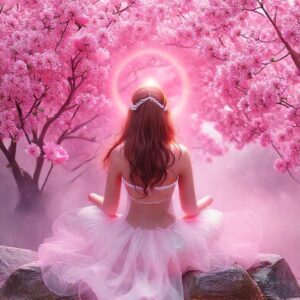
Imagine the soft, first light of dawn kissing the sky, a blush upon the cheek of a loved one, or the delicate petals of a rose in full bloom. These are the manifestations of pink—a color that instinctively evokes feelings of tenderness, warmth, and affection. In a world often dominated by the aggressive passion of red and the cold logic of blue, pink exists as a gentle yet powerful mediator. It is the color of the heart, both in its physical form and its spiritual essence. To explore the spiritual meaning of pink is to embark a journey into the very core of what it means to love, to heal, to forgive, and to connect with the universal energy of compassion. This is not merely an examination of a hue on the spectrum; it is an deep dive into a vibrational frequency that holds the potential to mend broken spirits, soothe anxious minds, and awaken the deepest wells of unconditional love within us. Beyond its modern associations with gender and confectionary sweetness lies a profound spiritual power, a sacred tool for inner alchemy that has been recognized across epochs and cultures. This article will serve as your comprehensive guide, unraveling the layers of pink’s spiritual significance, from its role in ancient traditions to its practical application in your modern spiritual practice, empowering you to harness its gentle might for profound personal transformation.
The Universal Language of Pink: A Cultural and Historical Panorama
To fully grasp the spiritual weight of pink, one must first look beyond Western contemporary associations and understand its journey through human history. The perception of pink has been fluid, carrying vastly different meanings across time and terrain, yet a common thread of vitality, beauty, and the sacred often emerges.
In Ancient Egypt, pink was derived from madder root and was considered a color of health and vitality. It was associated with the flesh and the essence of life itself. While not as prominent as gold or lapis lazuli in royal regalia, its presence in everyday art signified a celebration of human existence and physical well-being, a foundational aspect of spiritual wholeness.
The Renaissance period in Europe saw a fascinating evolution. Due to the cost and rarity of certain red dyes, pink was often worn by both men and women of the nobility, including boys, symbolizing wealth and status. It was seen as a lighter, more approachable version of red, which symbolized power and war. In religious art, pink began to appear in the robes of the Christ child and angels, representing the divine incarnation—God’s love made flesh. This established an early link between pink and a sacred, innocent form of love.
In Japanese culture, the pink of the cherry blossom, or sakura, is perhaps the most potent cultural symbol. The concept of Mono no Aware—the poignant awareness of the impermanence of all things—is deeply tied to the cherry blossom’s brief, brilliant bloom. The spiritual lesson here is profound: pink symbolizes breathtaking beauty and the joy of life, but it also teaches acceptance of its fleeting nature. It encourages one to live fully and lovingly in the present moment, for now is all we truly have.
Conversely, in Indian culture, pink holds a vibrant and enduring place. The city of Jaipur, the “Pink City,” is painted in a terracotta pink hue, traditionally a color of hospitality and welcome. Beyond architecture, pink garments are common and often associated with joy, celebration, and well-being, devoid of the gender-specific connotations it later developed in the West.
The 20th century saw a dramatic shift in the West, where marketing and commercial forces began to rigidly assign pink to femininity. However, a spiritual seeker must see through this superficial lens. The true, timeless spiritual meaning of pink transcends gender. It is the color of the nurturing principle, a quality inherent in all beings, regardless of sex. It is the energy of compassion that a father feels for his child, the gentle care of a community, and the soft, receptive strength that allows for deep emotional connection. Understanding this historical and cultural context liberates pink from modern stereotypes and allows us to reconnect with its universal, spiritual power.
The Heart Chakra (Anahata): The Spiritual Home of Pink
In the intricate map of the human energy body known as the chakra system, pink finds its most explicit and profound spiritual home within the Heart Chakra, or Anahata. Located at the center of the chest, Anahata is the fourth primary chakra, acting as the crucial bridge between the lower three chakras (concerned with the material world: survival, emotion, and will) and the upper three chakras (concerned with the spiritual world: communication, intuition, and universality). It is the seat of love, compassion, empathy, and forgiveness.
While the Heart Chakra is most commonly associated with a vibrant emerald green, representing balance, growth, and healing, the energy of pink is intrinsically linked to its expression. Think of it this way: if green is the structure of the heart—its capacity for life and connection—then pink is the action and emotion that flows through it. It is the feeling of unconditional love, the warmth of compassion, and the tender act of self-acceptance.
A balanced Heart Chakra, infused with healthy pink energy, allows an individual to:
-
Give and Receive Love Freely: Without fear, attachment, or condition.
-
Feel Deep Empathy: To understand and share the feelings of another without being consumed by them.
-
Practice Forgiveness: To release oneself and others from the bonds of past hurts.
-
Experience Profound Inner Peace: A sense of connection to all living things and a deep-seated contentment.
-
Nurture Oneself and Others: From a place of genuine care, not obligation.
When the pink energy of the Heart Chakra is blocked or deficient, one may experience:
-
Co-dependency or possessiveness in relationships (a distorted form of love).
-
An inability to trust or be vulnerable.
-
Lingering feelings of jealousy, resentment, and bitterness.
-
A critical inner voice and a lack of self-love.
-
Emotional isolation and a sense of being disconnected from others.
Conversely, when the pink energy is excessive, it can manifest as:
-
Martyrdom, constantly sacrificing one’s own needs for others.
-
Naivety and poor boundaries, leading to being taken advantage of.
-
Sentimentality to the point of being unable to make clear decisions.
Healing the Heart Chakra, therefore, often involves consciously inviting and working with the spiritual energy of pink. It is about learning to direct the soft, compassionate light of pink not only outward toward others but, most importantly, inward toward the self. The journey to a balanced Heart Chakra is the journey of learning to love oneself with the same tenderness and unconditional acceptance that we might offer a newborn child. This self-love is not selfish; it is the fundamental source from which all other genuine love flows.
The Many Shades of Spiritual Pink: A Spectrum of Meaning
Pink is not a monolith. Its spiritual vibration shifts and changes with its saturation and hue, offering a nuanced palette of energies for the spiritual practitioner to work with. Understanding these shades allows for a more targeted and effective application of pink’s power.
1. Baby Pink & Blush Pink: The Energy of Innocence and Gentle Self-Love
This is the softest, most delicate shade of pink. Its spiritual meaning is rooted in innocence, newborn love, and nascent compassion. It is the color of a fresh start, free from the burdens of past pain. Working with baby pink energy is ideal for:
-
Healing inner child wounds.
-
Cultivating a gentle and forgiving attitude toward oneself.
-
Beginning a practice of self-love after a period of self-criticism.
-
Bringing a soft, soothing energy into environments for relaxation and recovery.
2. Rose Pink & Medium Pink: Unconditional Love and Compassion
This is the classic, balanced pink, most directly associated with the pure, unconditional love of the Heart Chakra. It represents mature, nurturing, and stable affection. Rose pink is the energy of deep friendship, romantic partnership based on mutual respect, and universal compassion. Its spiritual applications include:
-
Strengthening existing relationships.
-
Attracting loving and harmonious connections.
-
Meditating on the concept of agape—selfless, universal love.
-
Healing heartbreak and grief with a sense of honored memory and peace.
3. Hot Pink & Fuchsia: The Vibrancy of Divine Love and Spiritual Passion
Hot pink is pink with a powerful, electric charge. It is a color of high vibrational joy, celebration, and spiritual awakening. This shade combines the loving energy of pink with the dynamic, active energy of red, creating a frequency of passionate, divine love. It is less about quiet nurturing and more about ecstatic connection to the life force. Work with hot pink to:
-
Ignite passion and creativity in your life and projects.
-
Connect with the playful, joyful aspect of the divine feminine.
-
Boost confidence and radiate a magnetic, vibrant energy.
-
Celebrate spiritual milestones and personal victories.
4. Magenta: The Color of Spiritual Transformation and Harmony
Magenta sits on the border between pink and purple, and as such, it holds a unique spiritual power. It is considered a color of universal harmony and emotional balance. Magenta is a powerful agent of spiritual transformation, helping to release old, ingrained psychological patterns that block our spiritual progress. It works on a very deep level to align us with our soul’s purpose. Use magenta for:
-
Cutting psychic cords and releasing karmic ties.
-
Facilitating major life transitions and spiritual awakenings.
-
Bringing balance between the spiritual and the material worlds.
-
Stimulating compassion on a global, collective level.
A Spiritual Guide to the Shades of Pink
| Shade of Pink | Core Spiritual Meaning | Primary Uses & Affirmations | Associated Crystals |
|---|---|---|---|
| Baby Pink / Blush | Innocence, Gentle Self-Love, New Beginnings | Healing the inner child, cultivating self-acceptance. Affirmation: “I am worthy of gentle love and care, especially from myself.” |
Rose Quartz (light), Pink Opal, Rhodochrosite (light) |
| Rose Pink / Medium | Unconditional Love, Compassion, Nurturing | Healing heartbreak, strengthening relationships, fostering empathy. Affirmation: “I give and receive love freely and without condition.” |
Rose Quartz (standard), Morganite, Kunzite |
| Hot Pink / Fuchsia | Joy, Vitality, Divine Passion, Confidence | Igniting creativity, boosting self-esteem, celebrating life. Affirmation: “I am a vibrant, joyful being, passionately connected to the divine.” |
Pink Tourmaline, Rubellite, Rhodochrosite (vibrant) |
| Magenta | Transformation, Universal Harmony, Release | Releasing old patterns, spiritual awakening, emotional balance. Affirmation: “I release all that no longer serves me and welcome harmonious transformation.” |
Magenta Fluorite, Sugilite, Charoite |
Pink in Dreams: Messages from the Subconscious
When the color pink appears vividly in our dreams, it is a powerful message from our subconscious, a direct communication from the soul about the state of our emotional and spiritual heart. Dreams are the language of symbols, and pink is a potent symbol of love and healing. Interpreting its presence requires context, but several common themes emerge.
Dreaming of a Pink Sky or Light: A pink-hued atmosphere in a dream is an profoundly positive sign. It often indicates that you are entering a period of emotional healing, spiritual peace, and heartfelt connections. It can signify that divine love is enveloping you, or that your own capacity for compassion is expanding. This dream is a message of reassurance and hope.
Dreaming of Pink Flowers (especially Roses): Pink flowers in bloom symbolize the flowering of love, new affectionate relationships, or the rekindling of passion in an existing one. It can also represent the blossoming of a new creative project or idea that you love and nurture. A wilting or dead pink flower, however, may point to a disappointment in love, a feeling that your affections are not being returned, or a period where self-love has been neglected.
Dreaming of Wearing Pink Clothing: This often relates to how you are presenting yourself emotionally to the world. If you are happily wearing pink, it suggests you are open to giving and receiving love, and you feel confident in your nurturing, compassionate side. If you are forced to wear pink or feel uncomfortable in it, it may indicate you feel pressured to be “nice” or loving in a situation where you genuinely feel otherwise, leading to inauthenticity.
Dreaming of a Pink Animal: This is a rare but significant dream. As animals often represent our instinctual nature, a pink animal could symbolize that your primal instincts are being tempered by love and compassion. For example, a pink lion might represent powerful, yet gentle and compassionate, leadership.
A Person Giving You a Pink Object: This suggests that someone in your waking life is offering you love, forgiveness, or emotional support. Alternatively, it could represent an aspect of yourself that is ready to give yourself that same gift. Pay attention to who gives you the object and what it is.
Ultimately, the most important question to ask upon waking from a pink-infused dream is: “How is the love in my life?” Your dream is guiding you to examine your relationships with others and, most critically, your relationship with yourself.
Pink in Meditation and Healing: Practical Applications
Understanding the theory of pink’s spiritual meaning is the first step; applying it is where true transformation occurs. Meditation and energy healing practices provide direct pathways to harness the vibrational frequency of pink for profound inner work.
Pink Light Meditation for Heart Healing:
This is a foundational practice for anyone seeking to open or heal the Heart Chakra.
-
Find a Comfortable Position: Sit or lie down in a quiet space where you won’t be disturbed. Close your eyes and take several deep, calming breaths.
-
Ground and Center: Visualize roots growing from the base of your spine deep into the earth, grounding you. Bring your awareness to the present moment.
-
Invoke the Pink Light: Direct your attention to your heart center, in the middle of your chest. Imagine a tiny, soft, pink seed of light there. With each inhale, feel this seed expanding, growing into a warm, radiant, pink sphere that fills your entire chest cavity.
-
Breathe with the Light: As you breathe, visualize this pink light glowing brighter and warmer. Feel its gentle, loving vibration. With each exhale, imagine this pink light dissolving any hard edges, any walls around your heart, any feelings of resentment, jealousy, or old pain. See these energies turning to dark smoke and being gently carried away on your breath.
-
Fill Your Entire Being: Allow the pink light to expand beyond your heart, flowing down your arms and legs, up to your head, and down to your toes. Bathe every cell of your body in this loving, healing pink energy.
-
Rest in the Glow: Spend 5-15 minutes simply resting in this sensation of being immersed in and composed of unconditional love. You may use an affirmation such as “My heart is open and I am loved” or “I radiate love and compassion to all beings.”
-
Return Gently: Slowly bring your awareness back to the room, wiggle your fingers and toes, and open your eyes, carrying this pink vibration with you into your day.
Pink Energy for Emotional First Aid:
In moments of acute stress, anxiety, or heartache, you can call upon pink energy for immediate soothing.
-
The Pink Bubble Technique: When feeling overwhelmed in public or in a conflict, quickly visualize a soft, pink, protective bubble of light surrounding you. This is not a wall to isolate you, but a filter that transmutes harsh, negative energies into compassion, while allowing loving energies to pass through freely. It provides an immediate sense of emotional safety.
-
Pink Breath: When startled or upset, place a hand on your heart. Take a deep breath in, and as you exhale, imagine a stream of pink light flowing from your heart, down your arm, and out through your hand, releasing the anxious energy. Repeat until you feel calmer.
Color Therapy and Environment:
Incorporate pink into your physical environment to subtly influence your energy field.
-
Wear Pink: Wearing pink clothing, especially near the heart (scarves, shirts, jewelry), can help you embody its compassionate and calming energy throughout the day.
-
Home Décor: Use pink accents in rooms where you want to promote relaxation and loving communication, such as bedrooms or living rooms. A pink throw pillow, lamp, or piece of art can shift the energy of a space.
-
Food as Medicine: Consuming pink foods like watermelon, raspberries, and pink grapefruit can be a way to physically internalize the loving, life-affirming vibration of the color.
Pink Lightworkers and Crystal Companions
The plant and mineral kingdoms hold powerful allies for working with pink energy. Crystals, in particular, are condensed packets of vibrational energy that can amplify, focus, and stabilize our spiritual intentions.
Rose Quartz: The Stone of Universal Love
No crystal is more synonymous with the energy of pink than Rose Quartz. It is the ultimate stone for the Heart Chakra. Its energy is gentle, soothing, and profoundly nurturing. Rose Quartz teaches us the essence of true love: that it is not possessive, demanding, or conditional. It works to heal heartache on all levels, from a recent breakup to deep-seated childhood wounds, and promotes self-love and forgiveness. Keep a tumbled stone in your pocket, wear it as a necklace over your heart, or place it in your bedroom to infuse the space with a gentle, loving frequency.
Rhodochrosite: For Deep Emotional Healing and Self-Love
While Rose Quartz offers gentle, general love, Rhodochrosite goes deeper. Its striking bands of pink to red make it a powerful stone for healing deep emotional trauma and releasing old wounds that block our capacity for self-love. It brings repressed memories and feelings to the surface for healing in a supportive way. Rhodochrosite encourages a passionate and joyful engagement with life, helping to heal the “inner child” and restore a sense of vitality and worthiness.
Pink Tourmaline: The Protective Compassion Stone
Pink Tourmaline combines the loving energy of pink with a strong, protective, grounding quality. It is an excellent stone for empaths and those in caregiving professions, as it helps to emit compassion without absorbing the negative energies or emotional pain of others. It strengthens the physical heart, transmutes negative emotions into positive ones, and encourages a realistic, active, and grounded expression of love.
Morganite: The Stone of Divine Love and Compassion
Morganite, with its soft peach-pink hue, connects the Heart Chakra directly to the higher spiritual centers, particularly the Third Eye and Crown Chakras. It is often called the stone of “Divine Love” or “Christ Consciousness.” Morganite helps one to perceive and embody the unconditional, compassionate love of the divine. It is exceptional for healing feelings of alienation or loneliness by fostering a profound sense of connection to the angelic realm and the universal source of all love.
Kunzite: The Heart-Connector to the Higher Mind
Kunzite is a high-vibrational stone that links the Heart and Third Eye Chakras, allowing for the expression of spiritual insights through the energy of love. It helps to release fears, anxiety, and emotional armoring, replacing them with a serene and open-hearted state. Kunzite’s energy is about dissolving the barriers between the head and the heart, enabling one to make decisions based on both intuition and compassionate understanding.
Pink in Nature: The Divine Feminine and Earthly Nurturance
Nature is the most profound and accessible spiritual teacher, and the presence of pink in the natural world is a constant reminder of its core themes: beauty, nurturance, sensitivity, and the cyclical nature of life. Observing pink in nature allows us to understand its energy not as an abstract concept, but as a living, breathing force.
The Pink Lotus: Purity and Spiritual Awakening
In Eastern traditions, the lotus flower is a supreme spiritual symbol. Growing from the mud at the bottom of a pond, it rises through the water to bloom, pristine and beautiful, above the surface. A pink lotus specifically represents the pinnacle of spiritual attainment—the state of Buddha himself. It symbolizes purity of the body, speech, and mind, and the triumph of enlightenment over the “mud” of material existence. It teaches that true beauty and spiritual awakening can emerge from the most challenging circumstances.
The Rose: The Complexity of Love
The rose, particularly the pink rose, is a masterclass in the spiritual meaning of pink. It embodies love in all its complexity. Its breathtaking beauty represents the height of romantic and divine love. Its fragrance intoxicates the senses, symbolizing the allure of the heart’s journey. Yet, it is protected by thorns, teaching the essential spiritual lessons of self-respect, healthy boundaries, and the fact that love requires courage and can sometimes involve pain. The pink rose, more than the red, speaks of a gentler, more admiring and grateful love.
Flamingos: Balance, Community, and Uniqueness
The vibrant pink of the flamingo is a stunning example of pink’s energy in the animal kingdom. Their color comes from their diet, a direct demonstration of “you are what you consume”—both physically and spiritually. Flamingos are social creatures that live in large, supportive colonies, reflecting pink’s energy of community, friendship, and harmonious relationships. Their ability to stand gracefully on one leg demonstrates profound balance, a key aspect of a healthy Heart Chakra, which balances giving and receiving.
The Pink Sky of Dawn and Dusk: Transition and Hope
The pink-hued sky at sunrise and sunset are daily celestial events filled with spiritual significance. The pink dawn represents new beginnings, fresh hope, and the gentle awakening of the heart to new possibilities. The pink dusk signifies completion, gratitude, and the release of the day’s burdens with a sense of peace and loving acceptance. Both are natural invitations for meditation and reflection on the cycles of our own lives and emotions.
Integrating Pink Energy into Your Daily Life
The ultimate goal of understanding the spiritual meaning of pink is to integrate its gentle power into the fabric of your daily existence, transforming not just your inner world but your outer reality. Here are practical, actionable ways to do so.
1. Cultivate a Practice of Self-Love and Self-Compassion:
This is the cornerstone of working with pink energy. Start by changing your inner dialogue. When you make a mistake, instead of criticism, offer yourself the same kind, reassuring words you would offer a dear friend. Practice daily affirmations: “I love and accept myself exactly as I am,” “I am worthy of deep and tender love,” or “My heart is open to giving and receiving love.”
2. Practice Acts of Anonymous Kindness:
Pink energy thrives on love in action. Perform small, anonymous acts of kindness without any expectation of reward or recognition. Pay for the coffee of the person behind you, leave a loving note in a public library book, or donate to a cause quietly. These acts purify the intention behind compassion, strengthening your connection to unconditional love.
3. Set Boundaries with Love:
A common misconception is that pink energy is weak and has no boundaries. On the contrary, true compassion requires strong boundaries. Saying “no” to what drains you is an act of self-love. Setting a limit with a loved one, when done from a place of calm and love rather than anger, is a powerful application of pink energy. It says, “I love you and I love myself enough to ensure this relationship is healthy for both of us.”
4. Use Pink in Your Creative Pursuits:
If you paint, write, dance, or engage in any creative act, invoke the pink ray. Write a poem about love, paint with a pink palette, or dance with the intention of expressing the soft, nurturing power within you. Creativity is an expression of the life force, and infusing it with pink aligns it with the energy of the heart.
5. Forgiveness as a Spiritual Practice:
Holding onto resentment is like drinking poison and expecting the other person to die. It hardens the heart and blocks pink energy. Forgiveness is not about condoning hurtful behavior; it is about releasing yourself from the prison of past pain. Make a conscious decision to forgive, bit by bit, through journaling, meditation, or therapy. This is one of the most potent ways to clear and open your Heart Chakra.
By consciously choosing to act, think, and speak from this heart-centered space, you begin to radiate the vibration of pink. You become a beacon of compassion in a world that desperately needs it, and in doing so, you attract more love, peace, and beauty into your own life.
Conclusion: Embracing the Pink Ray
The spiritual journey of pink is a journey to the center of our own being—to the heart. It is a path of replacing judgment with compassion, fear with love, and isolation with heartfelt connection. From the soft whisper of baby pink teaching us self-acceptance to the transformative fire of magenta liberating us from the past, this color offers a complete toolkit for emotional and spiritual alchemy. By understanding its shades, working with its energy in meditation, learning from its presence in nature and dreams, and integrating its principles into our daily actions, we do more than just study a color. We learn the sacred art of living from the heart.
Frequently Asked Questions (FAQs)
1. Is pink only a feminine color in spirituality?
Absolutely not. This is a modern social construct. Spiritually, pink represents the nurturing, compassionate, receptive principle of the universe, which is an energy available to and necessary for all human beings, regardless of gender. Every person has a Heart Chakra that requires the balancing energy of pink.
2. I’m going through a heartbreak. How can pink energy help me?
Heartbreak is a direct wound to the Heart Chakra. Working with pink energy, especially soft rose quartz and baby pink light, can provide profound solace. It encourages self-love and self-nurturing when you feel abandoned. Meditating with a rose quartz on your heart can help soothe the acute pain and remind you that the source of love is ultimately within you, waiting to be rediscovered and healed.
3. Can pink energy make me too soft or vulnerable?
When understood correctly, no. Authentic pink energy, rooted in self-love, includes the ability to set strong, healthy boundaries. The “thorns on the rose” are a perfect metaphor. True compassion knows when to say no and how to protect its own energy. If you feel you are becoming a doormat, it’s a sign to work with the more vibrant, confident shades like hot pink or the protective qualities of pink tourmaline.
4. I keep seeing pink everywhere (in cars, signs, clothing). What does this mean?
When a color consistently appears in your waking life, it is often a message from your spirit guides, angels, or your own higher self—a phenomenon known as a “color synchronicity.” Seeing pink is a gentle, loving nudge to pay attention to matters of the heart. It may be asking you to be more compassionate with yourself, to open your heart to a new relationship, to forgive someone, or simply to remember that you are loved and supported by the universe.
5. How is pink different from red in spiritual terms?
While both are connected to love, they operate on different frequencies. Red is the color of the Root Chakra and represents primal, passionate, survival-based, and romantic love. It is the spark and the fire. Pink, residing in the Heart Chakra, is the refined, unconditional, and compassionate expression of that love. It is the steady, warm glow that remains after the initial spark. Red is about the self, pink is about the connection between self and other.