What Does “Glory” Mean in the Bible?
For many, the word “glory” evokes images of radiant light, triumphant victory, or brilliant beauty. In our everyday language, we might speak of an athlete’s “moment of glory” or a “glorious” sunset. But within the pages of the Bible, the concept of glory—primarily translating the Hebrew kavod and the Greek doxa—carries a weight, depth, and transformative power that goes far beyond simple brilliance. At its core, the biblical meaning of glory is the undeniable, manifest weight of someone’s significance, presence, or character. It is the visible expression of intrinsic worth. When we explore what glory means in Scripture, we journey into the heart of God’s self-revelation to humanity.
Think of it not as a flashy spotlight, but as the sober, profound weight of pure gold compared to tin. It is substantial, real, and commanding of a response. This article will serve as your comprehensive guide to understanding this majestic theme, tracing its meaning from the Old Testament to the New, and discovering its incredible implications for our lives today.
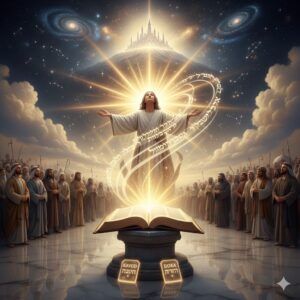
Core Hebrew and Greek Words for Glory
To build a strong foundation, let’s examine the primary biblical words translated as “glory.”
| Language | Word (Transliteration) | Primary Meaning | Key Nuance |
|---|---|---|---|
| Hebrew | כָּבוֹד (Kavod) | Weight, Heaviness, Honor | The substantial worth or significance of a person, especially God. It is tangible and often visibly manifest. |
| Greek | δόξα (Doxa) | Opinion, Reputation, Splendor | The radiant manifestation that evokes recognition, praise, and a correct opinion of its source. |
As we can see, the Hebrew kavod starts with the idea of physical weight (like the “heavy” wealth of Abraham in Genesis 13:2) and evolves to describe the “weighty” presence of God. The Greek doxa, used in the New Testament, captures both the brilliant splendor and the renown that results from its display.
The Manifestation of Divine Glory in the Old Testament
The Old Testament paints a dynamic picture of God’s glory as His active, visible presence entering the human story. It is not a distant attribute but an encounter.
The Kavod of God: A Tangible Presence
In the wilderness, God’s glory was not an abstract idea. It was a cloud by day and fire by night, guiding the Israelites (Exodus 13:21-22). It filled the Tabernacle upon its completion so powerfully that Moses could not enter (Exodus 40:34-35). When Solomon dedicated the Temple, the kavod of the Lord filled it in the form of a cloud (1 Kings 8:10-11). This glory was the demonstration of God’s kingship and covenant commitment to dwell among His people.
Key Example: In Exodus 33:18-23, Moses makes a daring request: “Show me your glory.” God responds by proclaiming His name and character (“The Lord, the Lord, a God merciful and gracious…”) and allows Moses to see His “back” as He passes by. This reveals a profound truth: God’s glory is intrinsically linked to His goodness and moral character.
The Prophetic Vision: Glory Departed and Restored
The prophets witnessed a tragic departure of this glory due to the nation’s sin. Ezekiel, in a heartbreaking vision, sees the glory of God slowly departing from the Temple before its destruction (Ezekiel 10:18-19; 11:22-23). Yet, the prophets also carried the hope of its return. Isaiah looks forward to a day when “the glory of the Lord shall be revealed, and all flesh shall see it together” (Isaiah 40:5). This hope pointed to a future, universal manifestation.
The Revelation of Glory in the New Testament
The New Testament announces a stunning, personal shift in the story of glory. The weighty, brilliant presence of God took on human form.
Jesus Christ: The Glory of God in Flesh
The Gospel of John makes this breathtaking claim: “The Word became flesh and dwelt among us, and we have seen his glory, glory as of the only Son from the Father, full of grace and truth” (John 1:14). In Jesus, the kavod that filled the Tabernacle now lived in a person. His miracles were “signs” that pointed to this glory (John 2:11).
However, this glory was revealed in surprising, paradoxical ways. It was seen not only in the radiant beauty of the Transfiguration (Matthew 17:1-8) but supremely in the shame and weight of the cross. Jesus referred to His crucifixion as the hour He would be “glorified” (John 12:23-24). The cross, a symbol of utter humiliation, became the ultimate display of God’s glorious character—His love, justice, and mercy.
Crucial Insight: The cross redefines glory. True biblical glory is found in self-giving love, sacrificial service, and perfect obedience, not in worldly power or spectacle.
From Doxa to Doxology: The Believer’s Connection to Glory
The New Testament extends this reality to everyone who follows Christ.
-
We Behold It: Through the Spirit, believers now behold “the glory of the Lord” in the face of Jesus Christ (2 Corinthians 3:18; 4:6).
-
We Reflect It: As we behold Him, we are “transformed into the same image from one degree of glory to another” (2 Corinthians 3:18). Our lives begin to reflect His character.
-
We Are Destined for It: Our hope is the future “revealing of the glory of our great God and Savior Jesus Christ” (Titus 2:13) and our own resurrection into glorious, incorruptible bodies (1 Corinthians 15:42-43).
-
We Live for It: The ultimate purpose of our lives is “to glorify God and enjoy him forever.” Every act of love, every display of Christlike character, brings glory to God (Matthew 5:16, 1 Corinthians 10:31).
Comparative Table: Old Testament vs. New Testament Glory
| Aspect | Old Testament Emphasis | New Testament Fulfillment |
|---|---|---|
| Form | Cloud, Fire, Consuming Presence | The Person of Jesus Christ |
| Location | Tabernacle, Temple, Holy of Holies | In Christ, and now in the Church (believers) |
| Access | Restricted to High Priest, once a year | Open to all through faith in Jesus |
| Primary Display | Power, Holiness, Separateness | Sacrificial Love, Grace, Truth (Power in weakness) |
| Human Role | To witness and revere | To behold, reflect, and participate in |
Practical Implications: Living for God’s Glory Today
Understanding the biblical meaning of glory changes how we live. It’s not about generating a religious aura, but about making God’s substantial worth visible in our ordinary moments.
How to Glorify God in Daily Life
Glorifying God means revealing a correct opinion (doxa) of who He is through our actions, words, and character.
-
In Worship: Acknowledge His worth with heartfelt praise and obedience.
-
In Character: Display the “fruit of the Spirit”—love, joy, peace, patience, etc. (Galatians 5:22-23). These reflect His nature.
-
In Work: Do everything with integrity and excellence, as for the Lord (Colossians 3:23-24).
-
In Relationships: Forgive as you’ve been forgiven; love sacrificially.
-
In Suffering: Trust in His goodness and faithfulness even in difficult times, allowing perseverance to shape your character (Romans 5:3-5, 1 Peter 4:12-14).
A Helpful List: What Biblical Glory Is Not
To avoid confusion, it’s helpful to clarify common misconceptions:
-
It is not merely human praise or fame.
-
It is not a euphoric emotional feeling.
-
It is not exclusive to spectacular spiritual experiences.
-
It is not a force we can manipulate or control.
-
It is not about making ourselves look important.
Important Note for Readers: The journey of glorifying God is one of grace. You cannot manufacture this glory through effort alone. It begins by beholding the glory of Jesus in Scripture and is worked out in you by the Holy Spirit. It’s a process of transformation, not instant perfection.
The Ultimate Hope: Eternal Glory
The biblical narrative concludes with glory as the final destination. The hope of the Christian is not an ethereal, disembodied existence, but a glorious restoration of all things. Revelation 21 describes the New Jerusalem, where the glory of God is its light, and the Lamb is its lamp (Revelation 21:23). There will be no more temple, “for its temple is the Lord God the Almighty and the Lamb.” God’s immediate, unmediated presence—His full, weighty, beautiful glory—will be the everlasting environment of His people. This is the “eternal weight of glory” that Paul contrasts with our momentary troubles (2 Corinthians 4:17).
Conclusion
The biblical meaning of glory is the manifest weight of God’s significance and character. It evolved from a tangible presence in the Old Testament to a perfect person in Jesus Christ, who displayed ultimate glory through sacrificial love. Today, believers are called to behold and reflect this glory, with the hope of one day dwelling in its fullness for eternity.
Frequently Asked Questions (FAQ)
Q: Is God’s glory the same as His presence?
A: They are deeply connected but not identical. God’s glory is the outward manifestation and revelation of His intrinsic worth and character. His presence is His being with us. His glory is how He makes that presence known and perceptible.
Q: How can I “see” or “experience” God’s glory today?
A: Primarily through Jesus Christ as revealed in the Scriptures. As you read the Gospels, ask the Holy Spirit to reveal the glory of God in the person and work of Jesus. You also see glimpses of His glory in creation (Psalm 19:1), in the love of the church, and in the transformed lives of believers.
Q: What does it mean that we are “being transformed into his image with ever-increasing glory” (2 Corinthians 3:18)?
A: This describes the process of sanctification. As we consistently focus on Christ (“behold the glory of the Lord”), the Holy Spirit gradually changes our character to become more like His—more loving, joyful, peaceful, patient, etc. This increasing Christlikeness is the “glory” we carry.
Q: Does God share His glory with us?
A: God does not share His unique, intrinsic glory as the sovereign Creator with His creation (Isaiah 42:8). However, He does graciously give glory to His people as a gift—a reflected glory as we are conformed to the image of His Son (John 17:22, Romans 8:30). We are reflectors of His light, not the source.