Life is a journey filled with beautiful highs and, unfortunately, some painful lows. One of the most distressing experiences anyone can face—whether as a child on a playground, an adult in the workplace, or even a voice in the back of our own minds—is bullying. It’s an ancient problem that wears modern masks, from physical intimidation to cruel words whispered behind backs and the silent treatment that isolates and hurts.
If you are reading this, you might be feeling the sting of being treated unfairly. Maybe you’re a parent watching your child struggle, or perhaps you’re looking for guidance on how to help a friend. Where do we turn when we feel powerless, hurt, or alone? For millions around the world, the answer lies in the pages of the Bible.
The Bible isn’t just a book of ancient stories; it’s a living guide filled with wisdom for our everyday struggles. It speaks directly to the pain of being mistreated, the anger that bubbles up inside, and the fear that can take root in our hearts. More importantly, it offers a path toward healing, resilience, and even extending grace in difficult situations.
This guide is designed to be your companion. We will explore powerful scriptures that act as a balm for wounds caused by bullying. We’ll look at verses that remind you of your immense value, ones that provide a framework for responding with wisdom, and others that offer the strength to persevere. Let’s open these pages together and discover the timeless truths that can help us navigate the storm of bullying and find solid ground.

What Does the Bible Really Say About Bullying?
Before we dive into specific verses, it’s important to understand the heart of the matter. You might search the Bible for the word “bully” and not find it. It’s not a term like “love” or “faith” that appears hundreds of times. However, the concept of bullying—the misuse of power to hurt, intimidate, or oppress another person—is woven throughout its narrative.
Think about it. The Bible is a collection of stories about real people, and real people have always struggled with pride, anger, and cruelty. From the very first book, we see the devastating effects of this behavior. The story of Cain and Abel is a primal example of jealousy leading to violent oppression. Later, we see Joseph, a young man with a dream, sold into slavery by his own brothers because they were jealous and hated him. That’s bullying on a family scale.
The Bible consistently portrays God as a defender of the weak, a champion for those who cannot defend themselves. He hears the cries of the oppressed, from the Israelites in Egypt to the poor and vulnerable in society. The core message is clear: mistreating others, especially those who are vulnerable, is not just a social faux pas; it is an offense against God, who created every person in His image.
Therefore, when we look for a “bible verse of bullying,” we are looking for scriptures that address:
-
The act itself: Condemnation of cruelty, oppression, and harmful speech.
-
The victim’s experience: Comfort, assurance of God’s presence, and a reminder of their worth.
-
The perpetrator’s heart: Warnings against pride, anger, and the abuse of power.
-
The path to response: Guidance on how to react with wisdom, strength, and grace.
With this framework in mind, let’s explore the specific verses that offer light in these dark situations.
God’s Promise: You Are Never Alone
One of the most crippling feelings bullying creates is isolation. The bully’s goal is often to make you feel like you are alone, that no one cares, and that you are powerless. In these moments, the Bible’s most powerful message is a direct contradiction to that lie.
The Unshakeable Presence: Deuteronomy 31:6
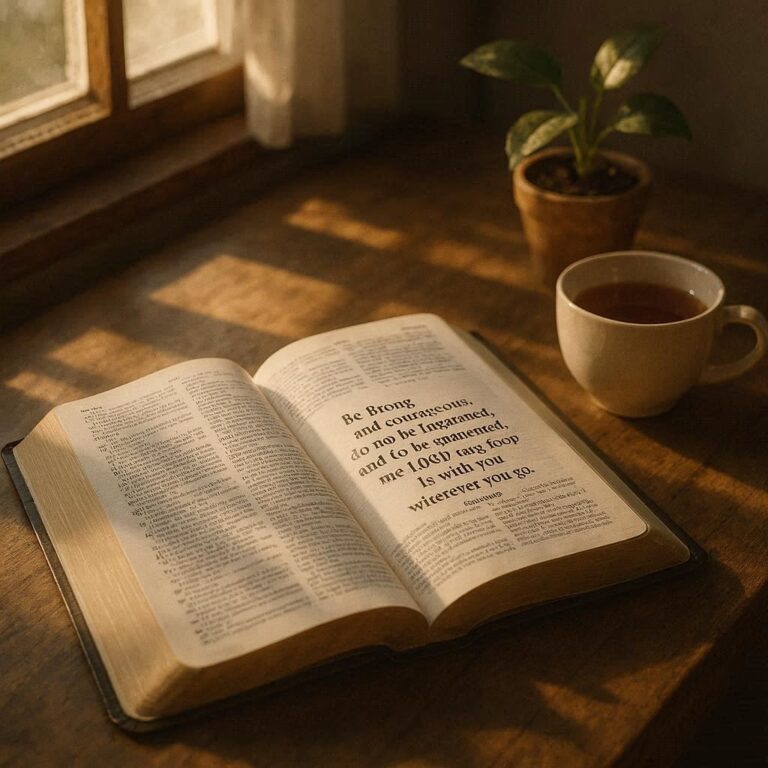
“Be strong and courageous. Do not be afraid or terrified because of them, for the LORD your God goes with you; he will never leave you nor forsake you.”
This verse is a battle cry against fear. When you are facing someone who is trying to intimidate you, the command is clear: “Do not be afraid.” But it’s not a command without a reason. The reason is the most powerful promise in existence: God Himself is with you. You are not facing the bully alone. The Creator of the universe walks beside you. He promises to never, ever leave you. This doesn’t mean the situation won’t be hard, but it does mean you have a divine source of strength to lean on.
A Refuge in the Storm: Psalm 9:9
“The LORD is a refuge for the oppressed, a stronghold in times of trouble.”
When you are being bullied, the world can feel like a dangerous place. School, work, or even home can feel like a battlefield. This verse paints a beautiful picture of God as a “refuge” and a “stronghold.” A refuge is a safe place, a shelter from the storm. A stronghold is a fortress, a place of impenetrable security. When you feel exposed and vulnerable, you can mentally and spiritually run to Him. He is your safe space where the bully’s words and actions cannot reach your core identity.
Near to the Brokenhearted: Psalm 34:17-18
“The righteous cry out, and the LORD hears them; he delivers them from all their troubles. The LORD is close to the brokenhearted and saves those who are crushed in spirit.”
Bullying doesn’t just hurt your feelings; it can crush your spirit. It can make you feel broken. This passage offers profound tenderness. It doesn’t say God watches from a distance. It says He is close to the brokenhearted. He draws near to those who are crushed. Your pain matters to Him. He hears your silent cries, and His promise is one of ultimate deliverance.
Table: God’s Role as Our Protector
| Verse | Title for God | What This Means for You |
|---|---|---|
| Deuteronomy 31:6 | Your Constant Companion | You are never alone. God’s presence is with you in every hallway, office, and difficult conversation. |
| Psalm 9:9 | Your Refuge & Stronghold | You have a safe place to retreat to. His presence is a fortress where the bully’s power cannot reach. |
| Psalm 34:18 | The Healer of the Broken | Your emotional pain is seen and understood. God draws closest to you when you feel most crushed. |
Knowing Your True Worth: You Are Valuable
Bullying often attacks a person’s identity. Bullies use insults, rumors, and exclusion to make you feel small, ugly, stupid, or worthless. They try to define you by their cruel words. The Bible, however, offers a radical counter-narrative. It tells you who you really are, according to your Creator.
Created with Intentionality: Psalm 139:13-14
“For you created my inmost being; you knit me together in my mother’s womb. I praise you because I am fearfully and wonderfully made; your works are wonderful, I know that full well.”
This is one of the most powerful passages in all of Scripture for building self-worth. It takes us back to the very beginning. Before anyone else ever spoke a word over you, God was carefully, intentionally “knitting” you together. The image is of a master artisan, paying close attention to every detail. You are not an accident. You are not a mistake. You are “fearfully and wonderfully made.” This means your personality, your talents, your appearance—everything about you—was crafted with purpose. When a bully tries to tell you that you are worthless, you can look at these verses and know, deep down, that you are a “wonderful” work of God.
Chosen and Loved: 1 Peter 2:9
“But you are a chosen people, a royal priesthood, a holy nation, God’s special possession, that you may declare the praises of him who called you out of darkness into his wonderful light.”
This verse takes our identity a step further. Not only are we wonderfully made, but we are also “chosen.” We are not an afterthought. We are “God’s special possession.” Think about the most valuable item you own. That’s how God sees you—as His treasured possession. You belong to Him. This royal identity completely redefines how we see ourselves. The opinion of a bully holds no weight when you know you are a child of the King.
A Price Was Paid: 1 Corinthians 6:19-20
“Do you not know that your bodies are temples of the Holy Spirit, who is in you, whom you have received from God? You are not your own; you were bought at a price. Therefore honor God with your bodies.”
This verse speaks to our inherent value by highlighting the price that was paid for us. In the ancient world, people understood the concept of being “bought” in the context of slavery and redemption. Here, it’s used to show our immense worth. The price paid for our freedom and our new identity was the ultimate sacrifice—the life of Jesus. This confirms that we are not cheap or disposable. We are of infinite worth to God. When you are treated like you don’t matter, remember that to God, you matter so much that He paid the highest price for you.
How to Respond: Wisdom for Your Words and Actions
Knowing God is with you and knowing your worth are the first steps. But what do you do when you’re face-to-face with a bully? The Bible offers practical, counter-cultural wisdom for our response. It teaches us to be wise, to seek peace, and to trust God with justice.
The Power of a Gentle Answer: Proverbs 15:1
“A gentle answer turns away wrath, but a harsh word stirs up anger.”
This is one of the most famous verses in the Bible about conflict, and it’s incredibly relevant to bullying. A bully is often looking for a reaction. They want to see you get angry, upset, or scared. That reaction fuels their behavior. This proverb offers a different strategy: a “gentle answer.” This doesn’t mean being a doormat or agreeing with the insult. It means responding in a way that doesn’t add fuel to the fire. A calm, firm, and unruffled reply can sometimes disarm a bully because it denies them the emotional reaction they are seeking.
Don’t Fight Fire with Fire: Romans 12:17-19
“Do not repay anyone evil for evil. Be careful to do what is right in the eyes of everyone. If it is possible, as far as it depends on you, live at peace with everyone. Do not take revenge, my dear friends, but leave room for God’s wrath, for it is written: ‘It is mine to avenge; I will repay,’ says the Lord.”
Our natural human instinct when hurt is to hurt back. “An eye for an eye” feels fair. But Paul, in his letter to the Romans, calls us to a higher standard. He tells us to resist the urge for revenge. Why? Because revenge is a cycle that never ends. He encourages us to do our part in pursuing peace. This doesn’t mean you allow yourself to be abused. It means your response shouldn’t be fueled by hatred or a desire to get even. The most freeing part of this verse is the last line. You don’t have to carry the burden of making things right or punishing the bully. You can release that to God, who sees all and is the ultimate judge. This frees you from the toxic cycle of anger and bitterness.
The Power of Blessing: Luke 6:27-28
“But to you who are listening I say: Love your enemies, do good to those who hate you, bless those who curse you, pray for those who mistreat you.”
This teaching from Jesus is arguably the hardest one to follow. Pray for someone who is hurting me? Bless someone who curses me? This is not a natural response; it’s a supernatural one. Praying for someone who mistreats you is incredibly powerful for two reasons. First, it changes your heart. It’s hard to stay filled with hatred for someone you are genuinely praying for. It softens you and prevents bitterness from taking root. Second, it acknowledges that the bully’s behavior may come from their own pain or brokenness. Praying for them invites God to work in their life as well.
List: A Practical Response Plan Based on Scripture
When you are faced with a bullying situation, here is a simple, biblically-based plan you can remember:
-
Breathe and Pray (Psalm 34:17): Before you react, take a deep breath and send up a quick, silent prayer. “God, help me. Be with me.” This centers you in His presence.
-
Respond Gently (Proverbs 15:1): If you must say something, aim for a calm, simple statement. “That’s not kind.” or “I don’t appreciate that.” Then, disengage.
-
Walk Away (Proverbs 4:14-15): Often, the wisest response is simply to remove yourself from the situation. Don’t stay and fight. Walk toward a safe place or other people.
-
Seek Wise Counsel (Proverbs 11:14): Tell a trusted adult, friend, or authority figure. You are not meant to carry this burden alone. They can provide support and help you make a plan.
-
Release Revenge (Romans 12:19): End your day by giving the situation back to God. Say, “God, this hurt, but I give it to You. I trust You to handle what I cannot.”
Finding Healing and Letting Go of the Hurt
The bullying may stop, but the wounds can linger. Lingering anger, bitterness, and a wounded spirit can affect us long after the bully has moved on. The Bible provides a pathway to genuine healing, and a crucial part of that path is forgiveness.
Forgiveness: Not For Them, But For You
Forgiveness is often misunderstood. People think it means saying what the bully did was okay, or that you must become best friends with them. Biblical forgiveness is different. It’s an act of releasing your right to revenge and letting go of the debt you feel they owe you. It’s a decision to no longer let the past poison your present. It’s for your freedom, not for their benefit.
The Forgiveness Mandate: Ephesians 4:31-32
“Get rid of all bitterness, rage and anger, brawling and slander, along with every form of malice. Be kind and compassionate to one another, forgiving each other, just as in Christ God forgave you.”
Notice the first part of this passage: it commands us to “get rid of” bitterness, rage, and anger. These emotions, if held onto, become like a poison in our soul. They hurt us more than they hurt the target of our anger. The antidote to this poison is found in the next verse: kindness, compassion, and forgiveness. The ultimate model for this is God’s forgiveness of us. He forgave a massive debt we could never repay. In light of that, He empowers us to forgive the debts others owe us. Forgiving someone who bullied you is a process, and it’s hard. But it is the door to lasting freedom and healing.
Casting Your Cares: 1 Peter 5:7
“Cast all your anxiety on him because he cares for you.”
This short verse is a powerful invitation. The word “cast” implies a deliberate, forceful action. It’s like throwing a heavy backpack onto a table. You are taking the burden of anxiety, fear, and hurt that bullying has caused and throwing it onto God. Why? Because He cares for you. He is not an uninterested observer. He is a loving Father who wants to carry your burdens. Every time the fear or hurt returns, you can practice this verse again. “God, here’s that anxious thought again. I give it to You.”
A New Identity: 2 Corinthians 5:17
“Therefore, if anyone is in Christ, the new creation has come: The old has gone, the new is here!”
Bullying can trap you in a past version of yourself. You might always feel like the “kid who got picked on.” But this verse declares a profound truth: in Christ, you are a new creation. Your identity is no longer defined by your past, your wounds, or what others said about you. The “old” has passed away. You are constantly being made new. You are growing, changing, and becoming the person God created you to be, unshackled from the labels others tried to put on you.
Wisdom for Parents and Protectors
If your child is being bullied, it can be absolutely heartbreaking. You feel their pain and your own helplessness. The Bible offers wisdom not only for the child but also for you, as their guide and protector.
Listen First, Then Act: Proverbs 18:13
“To answer before listening—that is folly and shame.”
When a child comes to you with a story of being hurt, your first instinct might be to jump into action—to call the school, the other parents, or to give a list of instructions. But this proverb counsels us to listen first. Really listen. Let your child tell you the whole story, expressing their feelings without interruption. This validates their experience and ensures that when you do act, you are acting on the full truth, not just your initial reaction.
The Rod of Discipline: Proverbs 23:13-14
“Do not withhold discipline from a child; if you punish them with the rod, they will not die. Punish them with the rod and save them from death.”
Important Note on Interpretation: In a modern context, “the rod” is widely understood not as a literal instrument for physical punishment, but as a metaphor for firm, loving guidance, correction, and parental authority. It represents the responsibility parents have to guide their children away from destructive behavior.
This verse is crucial for parents of children who are the bullies. It’s a sobering reminder that we must correct our children when they harm others. Allowing a child to be cruel without consequence is to leave them on a path that leads to relational and spiritual “death.” Loving discipline, in the form of conversations, loss of privileges, and teaching empathy, is an act of love that “saves” them from a future of broken relationships.
A Prayer for Your Child: Numbers 6:24-26
“The LORD bless you and keep you; the LORD make his face shine on you and be gracious to you; the LORD turn his face toward you and give you peace.”
This beautiful blessing, often called the Aaronic blessing, is a perfect prayer to speak over your child. It asks for God’s protection (“keep you”), His grace (“be gracious”), His attention (“turn his face toward you”), and most importantly, His peace. When your child goes to school or out into the world, you can’t always be there, but you can cover them in this prayer, trusting that God’s presence goes with them.
A Prayer for Anyone Facing Bullying
Sometimes, words fail us. We feel so hurt or overwhelmed that we don’t know what to say to God. If that’s you, you can borrow these words. Let this prayer be a starting point for your own conversation with Him.
Heavenly Father,
My heart is heavy, and I feel hurt. You see what I’m going through. You see the words that are said to me and the way I am treated. I feel small and alone, but Your Word promises that You are near to the brokenhearted. So, I come to You now.
Please remind me that I am fearfully and wonderfully made. Help me to believe that I am Your child, chosen and loved, even when others try to make me feel worthless.
Give me wisdom, Lord. Show me how to respond. Give me a gentle answer when I need it, and the courage to walk away and seek help. I give You my anger and my desire for revenge. I trust You to be my defender and my justice. I don’t have to carry that weight.
Please heal the wounds in my heart. Help me to forgive, not because the other person deserves it, but so that I can be free from bitterness. I cast all my anxiety on You, because I know You care for me.
Be my refuge and my strength. Walk with me through this.
In Jesus’ name,
Amen.
Conclusion: You Are Held by a Love That Will Never Let Go
Bullying is a painful reality, but it is not the end of your story. The Bible doesn’t offer a magic fix, but it offers something far better: a relationship with a God who sees you, hears you, and walks with you through the fire. The verses we’ve explored are not just ancient poetry; they are lifelines.
Remember that your identity is not written by the cruel words of others. It is written by the hand of God, who knit you together in love and calls you His own. Remember that you are never alone in the hallway, the classroom, or the office. The God of angel armies is your refuge. Remember that the response to hurt doesn’t have to be more hurt. You have the power, through His Spirit, to respond with wisdom, to seek peace, and to leave justice in His capable hands.
Healing is a journey, and some days will be harder than others. Be patient with yourself. Keep turning to these scriptures. Keep talking to God. Keep leaning on safe people in your life. The love that holds the universe is the same love that holds you. And that is a truth no bully can ever take away.
Frequently Asked Questions (FAQ)
1. Is there a specific “bible verse of bullying” that uses that exact word?
No, the specific English word “bullying” does not appear in most traditional Bible translations. However, the Bible is filled with verses that address the concepts behind bullying, such as oppression, violence, slander, pride, and comforting the afflicted. The verses in this article are some of the best examples that speak to the experience of being bullied.
2. What does God think about bullies?
The Bible is clear that God loves every person, but He also hates injustice and the oppression of the weak. He sees the proud and the powerful who misuse their strength, and His heart is always with the vulnerable. Verses like Proverbs 6:16-19 list “a heart that devises wicked schemes” and “a false witness who pours out lies” as things the Lord hates. He is the ultimate defender of the oppressed and will ultimately bring justice.
3. If God is for me, why is this still happening to me?
This is one of the hardest questions of faith. Being a follower of God does not grant us immunity from the brokenness of the world, including the hurtful actions of others. The promise is not that we will never face storms, but that God will be with us in the storm (Isaiah 43:2). He uses these difficult times to shape our character, draw us closer to Him, and equip us to comfort others who face similar pain (2 Corinthians 1:3-4).
4. How can I forgive someone who keeps hurting me?
Forgiveness is a process, and it can be incredibly difficult, especially when the hurt is ongoing. It’s important to combine a heart of forgiveness with practical wisdom. You can forgive someone in your heart (releasing your anger to God) while still setting firm boundaries and seeking help from authorities to stop the behavior. Forgiveness doesn’t mean you have to trust the person or put yourself back in a harmful situation. It’s about your own freedom from bitterness. Pray for God’s help to forgive, as it is often impossible in our own strength.
5. What if the bully is a family member?
This adds an extra layer of pain and complexity. The same principles of seeking safety, setting boundaries, and praying for healing apply, but they are much harder to implement. It is crucial to find a trusted, safe adult or counselor to talk to. You may not be able to leave the home, but you can create emotional and physical boundaries where possible. Continue to seek refuge in God and in safe relationships outside the home, like a youth group, teacher, or extended family member.
Additional Resource
For further support and practical advice on dealing with bullying, we highly recommend visiting StopBullying.gov. This is a U.S. government website managed by the Department of Health and Human Services that provides information on what bullying is, what cyberbullying is, who is at risk, and how to prevent and respond to bullying. It’s a reliable, research-based resource for kids, parents, and educators.