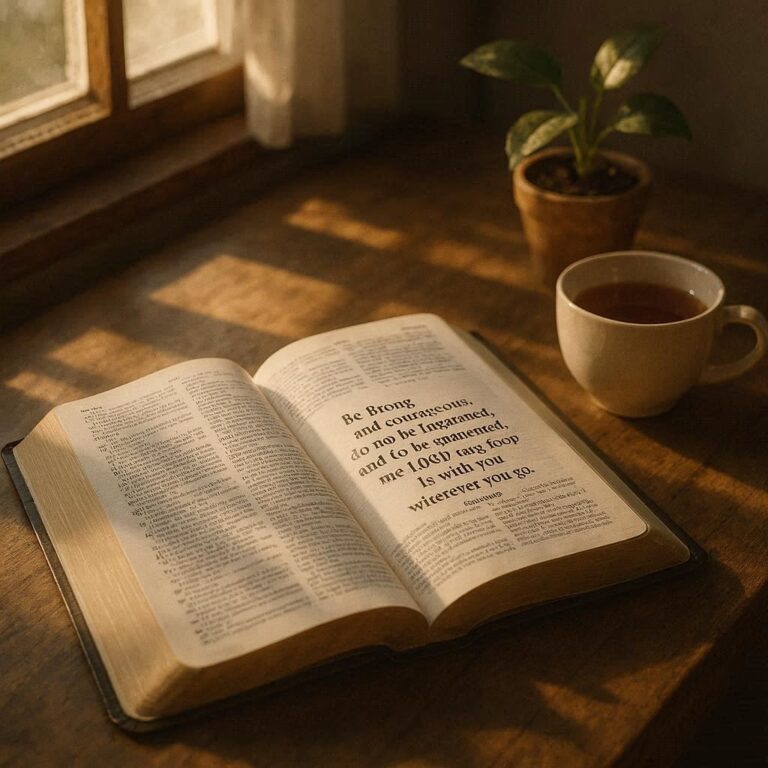
Have you ever been in a conversation where someone makes a bold claim about life, morality, or history, and when asked for proof, they jokingly reply, “Oh, it’s in the Bible. Verse… of course not”?
It is a phrase that has taken on a life of its own in modern culture. You might hear it in a debate, see it in a meme, or even catch yourself saying it when you want to make a point about something that sounds absurdly specific. But the search for the “bible verse of course not” is a fascinating journey into how we read Scripture, how we misinterpret it, and what the Bible actually contains.
We are going to take a deep dive into this concept. We will explore why people look for this phrase, the humor behind it, the specific topics the Bible does not cover, and how to navigate the ancient text with confidence. By the end of this guide, you will have a much clearer understanding of how to separate divine wisdom from human invention.
What Does “Bible Verse of Course Not” Actually Mean?
Let’s start with the basics. The phrase “bible verse of course not” isn’t a real citation. You won’t find it in Genesis, Exodus, or Revelation. Instead, it is a cultural punchline.
The Cultural Context
When someone says, “It’s in the Bible, chapter… of course not,” they are usually doing one of two things:
-
Making a Joke: They are pointing out that the previous statement was so ridiculous or modern that it couldn’t possibly be found in an ancient religious text.
-
Calling Out False Attribution: They are debunking a quote that someone falsely claimed was from the Bible. For example, people often say, “Cleanliness is next to godliness,” assuming it’s Scripture. (Spoiler: It’s not. That’s from a sermon by John Wesley).
The “of course not” serves as the mic drop. It is the verbal equivalent of saying, “I made that up, and you shouldn’t attribute modern ideas to ancient wisdom.”
Why People Search for This Phrase
Interestingly, people type “bible verse of course not” into search engines for a few specific reasons:
-
Humor Verification: They heard the joke and want to see if it’s a real meme or a real thing.
-
Genuine Confusion: They might have heard a pastor or speaker use a similar phrase and are trying to locate the exact chapter and verse.
-
Research: They are writing a paper or a social media post about misquoted scriptures and want to understand the phenomenon.
Common Topics the Bible Does NOT Address
This is where the “of course not” comes into play. The Bible is a collection of 66 books written over thousands of years. It deals with the human condition, sin, redemption, and the nature of God. However, it is surprisingly silent on many modern issues.
Here is a list of things you will not find a specific “bible verse” for, leading to the natural response: “…of course not.”
Modern Technology and Science
You won’t find a verse that says, “Thou shalt not scroll social media before bed,” or “And the Lord said, let there be Wi-Fi.”
-
The Internet: Obviously not mentioned.
-
Cars and Planes: The mode of transportation in biblical times was walking, donkeys, or chariots.
-
Electricity: While God is described as light, there are no instructions on wiring a house.
Specific Pop Culture References
The Bible does not name modern celebrities, brands, or events.
-
Harry Potter: Despite some religious groups debating the morality of witchcraft, the books of Harry Potter are not named in the scrolls of Isaiah.
-
Sports Teams: Sorry, but there is no prophecy about the Super Bowl winner in the Book of Daniel.
Trivial Everyday Manners
While the Bible gives overarching principles about love and respect, it doesn’t micromanage every social grace.
-
Chewing with your mouth closed: Not a thing.
-
Tipping at restaurants: The concept of a “tip” didn’t exist.
-
Saying “bless you” after a sneeze: While some traditions have spiritual reasons for this, the Bible doesn’t command it.
Humorous “Verses” People Wish Were in the Bible
To illustrate the “bible verse of course not” concept, let’s look at some imaginary verses. These are things people often joke about, claiming they should be in the Bible.
“And thou shalt return to thy refrigerator at midnight, and thou shalt find no cheesecake, and thou shalt weep bitterly, saying, ‘I have sinned against my diet.'”
“Let he who is without a car borrow mine, but only if he filleth the tank with premium gasoline.”
“When two or three are gathered in my name, there shall be pizza. And it shall be split evenly, lest there be strife among the brethren.”
These are fun because they take the solemn, poetic language of the King James Version and apply it to the silliness of modern life. They perfectly encapsulate the phrase “bible verse of course not.”
The Danger of “Proof-Texting” and Misquotes
Why is it important to know what is not in the Bible? Because misquoting Scripture can lead to serious misunderstandings.
Many people look for a “bible verse of course not” because they have heard someone misuse the Bible to support a personal agenda.
The Most Commonly Misquoted Verses
Let’s clear up a few famous ones that people often think are in the Bible, but actually aren’t.
| The Misquote | The Truth | The “Of Course Not” Factor |
|---|---|---|
| “God helps those who help themselves.” | This is actually from Aesop’s Fables and Benjamin Franklin’s Poor Richard’s Almanack. | Of course not. The Bible actually teaches that God helps the helpless. |
| “This too shall pass.” | While the sentiment aligns with the temporary nature of earthly life, this exact phrase is Persian Sufi poetry. | Of course not. It is wisdom, but it isn’t biblical text. |
| “Cleanliness is next to godliness.” | As mentioned, this is from a sermon by John Wesley, the founder of Methodism. | Of course not. It is a good hygiene tip, but not a commandment. |
| “Money is the root of all evil.” | The actual verse (1 Timothy 6:10) says, “The love of money is a root of all kinds of evil.” | Of course not. The Bible doesn’t condemn money, just the obsession with it. |
Why Context Matters
When you take a verse out of the 66-book context and try to make it fit a modern situation, you end up with a “bible verse of course not” situation. You are effectively creating a new meaning that the original authors never intended.
For example, someone might quote, “Judas went out and hung himself,” and then someone else might quote, “Go and do thou likewise.” Stringing random verses together like that creates a dangerous and nonsensical message. Reading the actual story shows you that Jesus was telling a parable about mercy, not instructing people to follow Judas’s example.
How to Find Out If a Verse Is Real
So, how do you avoid falling for the “bible verse of course not” trap? How can you tell if a quote is actually from Scripture or just a nice-sounding internet meme?
1. Use a Concordance
A concordance is an alphabetical index of words used in the Bible. If you hear a quote, you can look up its key words. If the words aren’t there, the quote isn’t there.
2. Check the Context Online
Websites like BibleGateway.com or YouVersion allow you to search for specific phrases. If you type in a quote and nothing comes up, you have your answer. If something comes up, read the chapters before and after to make sure it means what you think it means.
3. Be Skeptical of “Instagram Bible Verses”
If you see a beautiful picture of a sunset with a verse written in a fancy font over it, and that verse sounds too perfect or too modern, look it up. Often, these are paraphrases that lose the original meaning, or they are completely made up.
Important Note: Always read the verse in its full chapter. A verse without its context is a pretext for a proof-text. Don’t let a social media post become your only source of theology.
A Guide to the Books That Aren’t There
For the truly curious, the phrase “bible verse of course not” can also refer to the books that were excluded from the Bible. These are known as the Apocrypha or the Pseudepigrapha.
The Apocrypha
These are books written between the Old and New Testaments. They are considered scripture by the Catholic and Orthodox churches but are not included in the standard Protestant Bible. You might find verses in these books that sound biblical, but if you are holding a King James Version, you might say, “…of course not.”
-
Examples: Tobit, Judith, 1 & 2 Maccabees, Wisdom of Solomon.
Lost Gospels
There are also texts like the Gospel of Thomas or the Gospel of Mary. These were written in the early Christian centuries but were not included in the canonical New Testament. They offer interesting historical insights, but they are not considered authoritative Scripture by mainstream Christianity.
Why the Bible Doesn’t Need to Mention Everything
At this point, you might be thinking, “If the Bible is supposed to be a guide for life, why does it miss so much stuff? Why do we need the phrase ‘bible verse of course not’ at all?”
Principles Over Rules
The Bible operates on the principle of teaching you how to think, rather than giving you a list of rules for every possible scenario.
If the Bible tried to list every single sin or every single rule, it would be infinitely long.
-
“Thou shalt not use thy smartphone while driving.”
-
“Thou shalt not put pineapple on pizza.”
-
“Thou shalt not leave the toilet seat up.”
Instead, it gives you broader principles.
-
Love your neighbor as yourself: This covers driving safely, being considerate in the kitchen, and respecting shared spaces in your home.
-
Do everything without grumbling: This covers your attitude at work, at home, and in traffic.
The “bible verse of course not” exists precisely because the Bible gives us wisdom, not a Wikipedia list of dos and don’ts.
The Role of the Holy Spirit
For believers, the absence of a specific “bible verse” for every situation is where faith comes in. The idea is that God provides the written Word for guidance, and the Holy Spirit helps believers apply those ancient truths to modern dilemmas.
Navigating Difficult Topics with Confidence
Sometimes, people search for “bible verse of course not” because they are trying to win an argument. They want to prove that the Bible is outdated or irrelevant.
As a reader, you have two choices when faced with a topic the Bible doesn’t explicitly mention:
-
Admit the Silence: It is perfectly okay to say, “You know what? The Bible doesn’t address that specific thing. It was written two thousand years ago. But it does address the heart behind it.”
-
Find the Parallel: If someone asks, “What verse talks about climate change?” (a modern term), you can point to verses about stewardship of the Earth (Genesis 2:15) and caring for creation (Psalm 24:1).
This honesty builds credibility. It shows you aren’t trying to twist the Bible into a magic answer book for every modern inconvenience.
A Practical Look: What IS Actually in the Bible?
To balance out our discussion of what isn’t in the Bible, let’s look at what is undeniably there. The core messages are consistent from Genesis to Revelation.
The Core Themes
-
Creation: God created the heavens and the earth.
-
The Fall: Humanity chose to sin, separating itself from God.
-
Redemption: God put a plan in motion to rescue humanity through Jesus Christ.
-
Restoration: There is a promise of a new heaven and a new earth where everything is made right.
The Literary Genres
The Bible isn’t one book; it’s a library. It contains:
-
Law: Rules for the nation of Israel.
-
History: The story of God’s people.
-
Poetry & Wisdom: Psalms, Proverbs, Ecclesiastes—dealing with the highs and lows of life.
-
Prophecy: Messages from God to his people about the future.
-
Gospels: The eyewitness accounts of Jesus’s life.
-
Letters (Epistles): Instructions to early churches on how to live out their faith.
-
Apocalyptic Literature: Symbolic visions of the end times (Revelation).
Conclusion
The search for the “bible verse of course not” is a humorous and insightful journey into the nature of Scripture. While you won’t find a specific chapter addressing smartphones, fast food, or modern politics, you will find timeless principles that apply to every aspect of life.
The phrase serves as a healthy reminder to be accurate with our sources, to avoid putting words in God’s mouth, and to appreciate the Bible for what it actually is: a profound, ancient, and living document that speaks to the human heart, rather than a modern-day instruction manual for every trivial detail.
Next time you hear someone claim a ridiculous quote is from the Bible, you can smile and say, “That’s a great saying… bible verse? Of course not.”
Frequently Asked Questions (FAQ)
1. Is “God helps those who help themselves” in the Bible?
No, it is not. This is the most common misquote. The Bible actually emphasizes God’s grace and help for those who cannot help themselves.
2. Why do people make up fake Bible verses?
Sometimes it is to add authority to their own opinion. Other times, it is a simple mistake where they misremember a quote from a sermon or a book and attribute it to the Bible.
3. Are there verses about dinosaurs in the Bible?
The word “dinosaur” wasn’t coined until the 19th century. However, the Bible mentions “behemoth” and “leviathan” in the Book of Job, which some scholars suggest could be descriptions of large creatures, possibly dinosaurs or mythical representations of chaos.
4. How can I quickly check if a verse is real?
Use a reputable online Bible tool like BibleGateway.com. Type the quote into the search bar. If it doesn’t appear in a standard translation (like NIV, KJV, or ESV), it is likely not a real verse.
5. Does the Bible talk about vaping or smoking?
No, these are modern inventions. However, it does talk about the body being a “temple of the Holy Spirit” (1 Corinthians 6:19), which many believers apply to decisions about health and substance use.
6. What is the “Bible verse of course not” meme?
It is an internet meme where people create absurd, modern-day problems and write them in the style of the King James Bible, ending with the citation “Of Course Not” to indicate it is a joke.
Additional Resource
For a deeper dive into verifying Bible quotes and understanding the context of Scripture, we highly recommend using BibleGateway. It is a free, searchable online Bible in multiple translations and languages. You can read study notes, compare versions, and explore reading plans to help you understand what the text actually says versus what popular culture claims it says.
[Visit BibleGateway for accurate scripture reference] (https://www.biblegateway.com/)