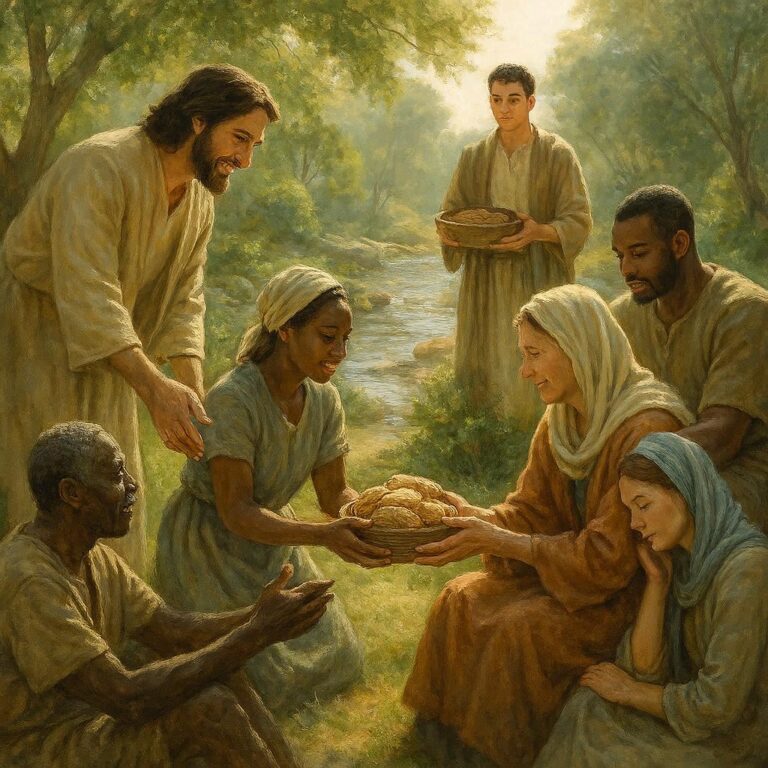
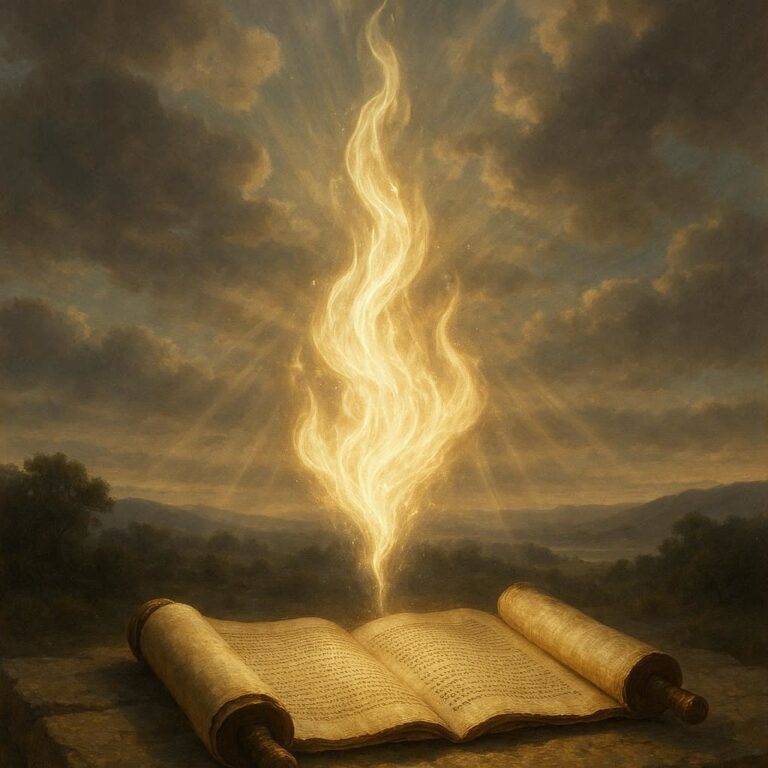
When you open the pages of the Bible, you quickly realize that people are constantly gathering to eat. From the hospitality of Abraham hosting three visitors under the oaks of Mamre to the Last Supper Jesus shared with his disciples, food is rarely just about nutrition. It is always about something deeper.
If you have ever wondered what the word “feast” truly means in the biblical context, you are not alone. It is a term that appears hundreds of times, yet its significance often gets lost in our modern world of fast food and casual dinners.
In the Bible, a feast is never just a party. It is a sacred rhythm, a divine appointment, and a powerful symbol of God’s relationship with His people. To understand the biblical meaning of a feast, we need to step into a world where eating together was an act of worship, where celebration was a command, and where every meal pointed to a greater spiritual reality.
Let us journey through the scriptures to uncover the rich layers of meaning behind the word “feast.”
The Hebrew Roots: Understanding “Moed” and “Chag”
To truly grasp what a feast means in the Bible, we must first look at the original Hebrew language. The Old Testament was written in a language that paints pictures with words. When the Bible talks about feasts, it primarily uses two distinct Hebrew words: Moed and Chag.
The Concept of “Moed” (Appointed Time)
The most significant word for feast in the Old Testament is Moed (מוֹעֵד). This word does not primarily mean “a meal.” Instead, it translates to “an appointed time,” “a meeting,” or “a sacred season.”
Think of it like a wedding invitation. You do not just show up; you are invited for a specific date and time. In Leviticus 23, God gives Moses a list of holy days. The Bible calls these “the appointed feasts of the Lord.”
“Speak to the Israelites and say to them: ‘These are my appointed feasts, the appointed feasts of the Lord, which you are to proclaim as sacred assemblies.’” (Leviticus 23:2, NIV)
The emphasis here is on divine ownership. These are not Israelite folk traditions. They are God’s appointments. He was setting up specific times to meet with His people. When we ask, “what does feast mean in the Bible,” the first answer is this: it means a holy date with God.
The Concept of “Chag” (Pilgrim Festival)
The second common word is Chag (חַג). This word refers specifically to the three major pilgrimage festivals when every able-bodied Israelite was required to travel to the Tabernacle (and later the Temple) in Jerusalem.
Chag implies a festive celebration, a procession, and a joyful gathering. It comes from a root word meaning “to dance” or “to circle.” These feasts were times of immense joy, singing, and worship. They were not somber, quiet events. They were loud, vibrant, and communal.
So, when the Bible uses “feast,” it combines these two ideas: a sacred, fixed appointment with God (Moed) and a joyful, communal celebration (Chag).
The Seven Major Feasts of the Lord
The heart of the biblical feast tradition lies in Leviticus 23. Here, God outlines seven specific feasts. These were not just historical events for ancient Israel; they form a prophetic calendar that many scholars believe outlines God’s entire plan of redemption.
These feasts are often divided into two groups: the spring feasts and the fall feasts.
| Feast Name | Hebrew Name | Season | Key Significance |
|---|---|---|---|
| Passover | Pesach | Spring | Deliverance from Egypt; foreshadowing the sacrifice of Jesus. |
| Feast of Unleavened Bread | Chag HaMatzot | Spring | Removal of sin (leaven) from life; holiness. |
| Feast of Firstfruits | Yom HaBikkurim | Spring | Offering the first harvest; resurrection of Christ. |
| Feast of Weeks (Pentecost) | Shavuot | Spring | Harvest; giving of the Law; outpouring of the Holy Spirit. |
| Feast of Trumpets | Yom Teruah | Fall | A call to repentance; foreshadowing the return of Christ. |
| Day of Atonement | Yom Kippur | Fall | The holiest day; national repentance and cleansing. |
| Feast of Tabernacles | Sukkot | Fall | Dwelling in booths; God dwelling with man in the Millennium. |
The Spring Feasts: Fulfillment in Christ
The first four feasts occur in the spring. For Christians, these feasts are incredibly significant because the New Testament records that Jesus fulfilled them precisely during their appointed times.
Passover was the feast of the lamb. Jesus was crucified during Passover, becoming the ultimate Lamb of God who takes away the sin of the world. The timing was not a coincidence; it was a divine fulfillment of the Moed.
Feast of Firstfruits involved waving a sheaf of the first grain before the Lord. The New Testament teaches that Jesus rose from the dead on this very day, becoming the “firstfruits of those who have fallen asleep” (1 Corinthians 15:20).
Pentecost (Shavuot) came fifty days later. It was the harvest feast. In Acts 2, the Holy Spirit was poured out on the disciples during this feast, resulting in a harvest of 3,000 souls in one day.
The Fall Feasts: Awaiting Fulfillment
The fall feasts—Trumpets, Atonement, and Tabernacles—have not yet been fulfilled in the same detailed way. Many biblical scholars believe these feasts point to the second coming of Christ and the final restoration of all things.
Feast of Trumpets is a loud, piercing call. It is often associated with the “last trumpet” mentioned by Paul, signaling the gathering of God’s people.
Day of Atonement represents the final judgment and the cleansing of sin for the nation of Israel.
Feast of Tabernacles looks forward to the time when God will dwell with humanity permanently, as described in Revelation 21: “God’s dwelling place is now among the people.”
Feasts as Acts of Remembrance
One of the most consistent themes in biblical feasts is memory. God consistently instructed the Israelites to hold feasts so they would not forget what He had done for them.
In Deuteronomy 16:3, regarding the Feast of Unleavened Bread, God says: “Remember the day you came out of Egypt all the days of your life.”
Memory is a powerful spiritual discipline. When we forget God’s faithfulness, we tend to drift into fear and disobedience. Feasts in the Bible serve as anchors. They force a pause in the normal routine to look back and give thanks.
-
Passover forced the people to remember the night of deliverance.
-
Purim (Esther 9) was instituted to remember the salvation from Haman’s plot.
-
Hanukkah (Feast of Dedication) was celebrated to remember the rededication of the Temple, which Jesus himself attended (John 10:22).
These celebrations were not merely about nostalgia. They were about identity. By remembering who God was and what God did, the people remembered who they were: a redeemed, chosen people.
The Symbolism of Food and Wine
Feasts in the Bible are sensory experiences. They involve sight, sound, smell, taste, and touch. God did not intend for worship to be purely intellectual. He involved the body.
The Feast as a Taste of the Kingdom
When the Bible describes the ultimate salvation and the coming of God’s Kingdom, it often uses the imagery of a feast.
“On this mountain the Lord Almighty will prepare a feast of rich food for all peoples, a banquet of aged wine—the best of meats and the finest of wines.” (Isaiah 25:6)
This is a powerful metaphor. Heaven is not depicted as a gray, boring existence. It is depicted as a celebration with the finest food and drink. When we participate in feasts—even simple ones—with gratitude, we are practicing for eternity. We are getting a small taste of the joy that is to come.
Wine and Joy
Wine in the Bible is frequently associated with feasting and is seen as a symbol of joy (Psalm 104:15). Jesus’ first miracle was at a wedding feast, turning water into wine. He did not shy away from celebration. He sanctified it.
However, the Bible also warns against excess. Feasts are meant to lead to joyful worship, not drunkenness. The line is drawn between celebration that honors God and debauchery that dishonors Him.
Feasts in the New Testament: A Shift in Perspective
When we move into the New Testament, the practice of feasts evolves. The early church was predominantly Jewish. They continued to observe the traditional feasts like Passover and Pentecost.
However, after the destruction of the Temple in 70 AD and the spread of the Gospel to the Gentiles (non-Jews), the church began to interpret feasts in a new, spiritual light.
Jesus and the Feasts
Jesus was a feast-keeper. He went to Jerusalem for the feasts. In John 7, we see him at the Feast of Tabernacles. In John 10, he is at the Feast of Dedication. But he also challenged the hypocrisy that had grown around these traditions. He criticized the religious leaders for using the feasts as a platform for show rather than a place for genuine connection with God.
Paul’s Teaching on Feasts
The Apostle Paul addressed the issue of feasts when the church became a mix of Jewish and Gentile believers. The question was: did Gentiles have to celebrate the Jewish feasts to be saved?
Paul’s answer was clear: No. Salvation is by grace through faith, not by observing festivals.
“Therefore do not let anyone judge you by what you eat or drink, or with regard to a religious festival, a New Moon celebration or a Sabbath day. These are a shadow of the things that were to come; the reality, however, is found in Christ.” (Colossians 2:16-17)
This is a crucial verse for understanding “what does feast mean in the bible” in the New Covenant context. Paul says the feasts are shadows. A shadow points to a reality. If you have the reality (Christ), you are not bound to the shadow.
This does not mean feasts are bad. It means they are not required for righteousness. For many believers today, celebrating these biblical feasts is a beautiful way to connect with the history of the faith and to see Jesus in the Old Testament. But for others, it is a matter of liberty.
The Ultimate Feast: The Wedding Supper of the Lamb
The Bible begins with a marriage (Adam and Eve) and ends with a marriage (Christ and the Church). The final event on the biblical timeline is a feast: The Wedding Supper of the Lamb.
Revelation 19:6-9 gives us a stunning picture:
“Then I heard what sounded like a great multitude, like the roar of rushing waters and like loud peals of thunder, shouting: ‘Hallelujah! For our Lord God Almighty reigns. Let us rejoice and be glad and give him glory! For the wedding of the Lamb has come, and his bride has made herself ready…’ Then the angel said to me, ‘Write this: Blessed are those who are invited to the wedding supper of the Lamb!’”
This is the culmination of everything the feasts pointed toward. It is the final “appointed time” where God gathers His redeemed people from every tribe, tongue, and nation for an eternal celebration.
In this sense, every feast we read about in the Old Testament—every Passover lamb, every offering of firstfruits, every trumpet blast—was a rehearsal. It was practice for this final, glorious gathering.
Practical Applications: What This Means for You Today
You might be wondering: I am not an ancient Israelite. I do not live in Jerusalem. How does any of this apply to my life today?
The principles behind biblical feasts offer profound wisdom for our modern, often fragmented lives.
1. Create Sacred Rhythms
We live in a culture that values spontaneity and convenience. But the Bible suggests that spiritual health requires appointed times. You might not celebrate Passover, but you can establish rhythms of rest, gratitude, and celebration with your family and church community. Set aside intentional time to remember what God has done.
2. Practice Gratitude
Every biblical feast had an element of thanksgiving. In a world focused on what we lack, a feast reminds us of what we have. Before you eat, pause. Acknowledge the provision. This simple act transforms a meal into a sacred moment.
3. Embrace Community
Feasts were never private. They were always communal. You cannot have a feast by yourself. In the same way, the Christian life is not meant to be lived in isolation. We are called to gather, to share meals, and to bear one another’s burdens.
4. Look Forward
Feasts in the Bible look backward (remembrance) and forward (anticipation). When we take communion (the Lord’s Supper), we are doing exactly that. We remember Christ’s death until He comes again. Your life should have a forward-facing hope. We are waiting for the ultimate feast.
Important Note for Readers
It is essential to distinguish between the biblical feasts of the Old Testament and modern secular holidays. While holidays like Christmas and Easter are important to many Christians, they are not the “feasts of the Lord” commanded in Leviticus. There is nothing wrong with celebrating them, but understanding the original Moedim helps us see the specific prophetic blueprint God laid out.
Furthermore, believers should never feel guilt-tripped into celebrating Old Testament feasts. As Paul wrote, let no one judge you regarding festivals. Your standing before God is secure in Christ alone. If you choose to celebrate a feast like Passover or Tabernacles, do it out of joy and a desire to learn, not out of obligation or a belief that it earns you salvation.
Comparative Table: Old Testament Feasts vs. New Testament Understanding
| Aspect | Old Testament Feasts | New Testament Understanding |
|---|---|---|
| Purpose | To meet with God, remember deliverance, and rest. | To remember Christ, celebrate the Holy Spirit, and anticipate His return. |
| Location | Centralized at the Tabernacle/Temple in Jerusalem. | Anywhere; “in spirit and truth” (John 4). The church is the new temple. |
| Sacrifice | Animal sacrifices were required. | Christ’s once-for-all sacrifice is the foundation. |
| Participants | The nation of Israel. | All believers, Jew and Gentile, united in Christ. |
| Frequency | Annual cycles (spring and fall). | The “Lord’s Supper” is frequent; the “Feast” of Christian life is continuous. |
A Helpful List: 5 Key Elements of a Biblical Feast
If you want to incorporate the spirit of a biblical feast into your life, look for these five elements:
-
Rest: Biblical feasts were “Sabbaths.” They required stopping work. A feast is not a feast if you are still working. It requires intentional rest.
-
Gathering: They were “sacred assemblies.” You gather with family or your faith community. Isolation defeats the purpose.
-
Remembrance: A specific story of God’s faithfulness is told. Whether it is the Exodus or the Resurrection, a feast has a testimony.
-
Food: A special meal. It doesn’t have to be extravagant, but it is distinguished from a normal Tuesday dinner. It involves the best you have to offer.
-
Joy: The Bible commands joy at feasts. It is a time of laughter, singing, and delight in God’s goodness.
Frequently Asked Questions (FAQ)
1. Are Christians required to keep the biblical feasts like Passover and Pentecost?
No. The New Testament teaches that these feasts were a shadow of the things to come in Christ. While they are rich in meaning and can be celebrated for learning and cultural connection, they are not required for salvation or spiritual growth. Our righteousness comes through faith in Jesus, not through observing festivals.
2. What is the difference between a feast and a festival in the Bible?
Generally, they are used interchangeably. However, the term “feast” often emphasizes the sacred, appointed time (Moed), while “festival” emphasizes the celebratory, communal gathering (Chag). Both refer to the same events.
3. What does Jesus say about feasts?
Jesus participated in feasts regularly. He went to Jerusalem for the feasts as a devout Jew. He used the feasts as opportunities to teach profound truths about himself, such as at the Feast of Tabernacles when he declared, “I am the light of the world.” He also criticized the commercialization and hypocrisy that sometimes overshadowed the true spirit of the feasts.
4. Why did God give so many feasts to Israel?
God gave feasts to Israel to shape their identity. They served multiple purposes: they provided rest for the land and people, they created a unified national culture, they ensured that the people would remember God’s mighty acts of salvation, and they prophetically pointed forward to the ultimate redemption through Jesus Christ.
5. How can I celebrate a biblical feast today?
You can celebrate by researching the specific feast (e.g., Passover or Tabernacles) and adapting its themes to your home. For Passover, you might have a seder meal that focuses on the Exodus and the sacrifice of Jesus. For the Feast of Tabernacles, you might camp outside or have a backyard gathering to remember God’s provision in the wilderness. Always focus on the spiritual meaning and connection to Christ.
Additional Resources
If you want to dive deeper into this fascinating topic, there are many excellent resources available.
-
Online Resource: For a comprehensive study of the Hebrew calendar and the prophetic implications of the feasts, visit The Bible Project. They offer free videos and articles that visually and clearly explain the “Feasts of the Lord” in a way that is accessible to everyone.
Conclusion
So, what does feast mean in the Bible? It means so much more than a party.
It means a divine appointment with a God who desires to meet with His people. It means a rhythm of rest and remembrance in a world that never stops moving. It means a prophetic blueprint that points to the life, death, resurrection, and return of Jesus Christ. And ultimately, it means a glorious invitation to the Wedding Supper of the Lamb, where every tear will be wiped away and joy will have no end.
Whether you are sitting down for a simple family dinner or gathering with a church community, you are participating in a practice that God has used for millennia to shape His people. Eat with gratitude. Rest with intention. Celebrate with joy. And never forget: you are invited to the feast.