When we flip the calendar to August, we often feel a mix of emotions. For many, it is the last stretch of summer—a time for final vacations, the approach of a new school year, and the first subtle hints of autumn in the air. But if you pause and look through a spiritual lens, you might wonder: Does this month hold a deeper, biblical significance?
While the word “August” does not appear in the Bible (the modern calendar was formalized long after the biblical texts were written), the themes and spiritual principles associated with this time of year are woven deeply into Scripture.

The Name “August”: A Quick Historical Context
Before diving into the Bible, it helps to understand where the name comes from. The month of August was originally called Sextilis (meaning the sixth month) in the Roman calendar. Later, it was renamed to honor the first Roman emperor, Augustus Caesar.
From a biblical perspective, names are incredibly important. The name “Augustus” itself means “majestic,” “venerable,” or “consecrated.” While the month honors a human ruler, the meaning of the name points to a divine attribute. In the Bible, majesty and honor belong to God alone.
“Yours, O Lord, is the greatness and the power and the glory and the victory and the majesty, for all that is in the heavens and in the earth is yours.” (1 Chronicles 29:11)
So, even the secular naming of the month carries a whisper of a spiritual truth: August is a time to recognize the majesty of God. It is a reminder that while earthly kingdoms rise and fall (like the Roman Empire), the Kingdom of God remains eternal.
The Hebrew Calendar: The Month of Av and Elul
To find the biblical meaning of August, we have to look at the Hebrew calendar, which is the calendar of the Bible. August usually overlaps with two specific Hebrew months: Av (late July/mid-August) and Elul (mid-August/mid-September).
The Month of Av: Reflection and Vision
The first part of August typically falls during the Hebrew month of Av. Historically, this is a month of contradiction. It is considered a time of tragedy for the Jewish people (the destruction of both Temples occurred in this month), yet it is also a month that holds the seed of future redemption.
-
A Time of Weeping: Because of the tragedies, Av is often associated with mourning. However, the biblical meaning here is not to stay in despair, but to recognize the consequences of disobedience and to turn back to God.
-
The Vision of the Future: The name “Av” means “father.” In a spiritual sense, the early part of August invites us to look to our Heavenly Father. It asks us to examine where we have “missed the mark” so that He can restore our vision for the future.
The Month of Elul: Preparation and Repentance
The second half of August ushers in the Hebrew month of Elul. This is one of the most spiritually significant months on the biblical calendar. Elul is the month immediately preceding the “High Holy Days” (Rosh Hashanah and Yom Kippur).
-
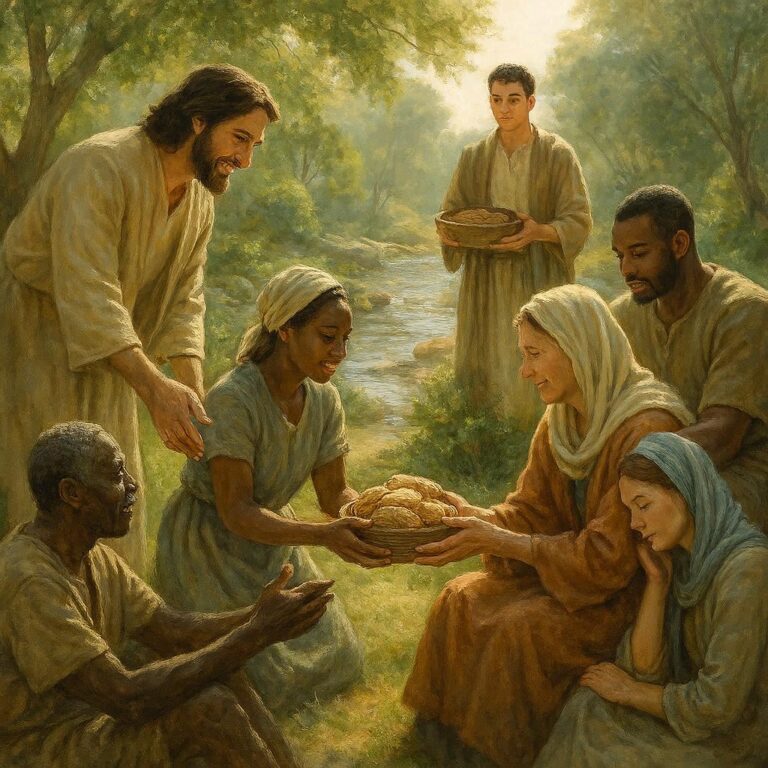
The King is in the Field: Jewish tradition teaches that during Elul, God is especially near. A famous parable says that the King (God) leaves His palace and comes out into the field to meet His people where they are. There are no protocols, no formal appointments—just direct access.
-
The Season of Repentance: Elul is a time for cheshbon hanefesh, an “accounting of the soul.” It is a time to take inventory of your spiritual life, apologize to those you have wronged, and prepare your heart for a fresh start.
The Biblical Meaning for August: This overlap tells us that August is a month of transition. It is a bridge between the carefree days of summer and the seriousness of the fall spiritual holidays. It is a time to wake up, draw near to God, and prepare for a new season.
Key Biblical Themes Associated with August
Instead of searching for a single verse about “August,” we look for themes. Here are the primary biblical concepts that align with the spirit of this month.
1. The Season of the Latter Harvest
In biblical agriculture, there were two main harvests: the early harvest in the spring (barley and wheat) and the latter harvest in the late summer/early fall (grapes, figs, and olives).
August falls right in the middle of the latter harvest season.
“Honor the Lord with your wealth and with the firstfruits of all your produce; then your barns will be filled with plenty, and your vats will be bursting with wine.” (Proverbs 3:9-10)
| Aspect | Spring Harvest (Early) | Late Summer Harvest (Latter – August) |
|---|---|---|
| Biblical Symbol | Firstfruits, Resurrection (Jesus rose during this time) | Ingathering, Completion, Joy |
| Crops | Barley, Wheat | Grapes, Figs, Olives |
| Spiritual Lesson | New beginnings, sowing seeds | Reaping what was sown, celebration, maturity |
| Emotion | Anticipation, Hope | Fulfillment, Joy, Urgency |
The Spiritual Application: If you have been “sowing” spiritually—praying, working hard, trusting God for a situation—August can be a season of “reaping.” It is a time to gather the harvest of what was planted months ago. It is a season of completion and provision.
2. The Fig Tree and Spiritual Maturity
In the Bible, the fig tree is a powerful symbol for Israel and for spiritual fruitfulness. In the Mediterranean climate, fig trees produce a breba crop (early figs) in June, but the main harvest happens in August.
When Jesus cursed the fig tree that had leaves but no fruit (Mark 11), it was a powerful object lesson about spiritual hypocrisy. For us, the August fig harvest represents the call to genuine fruitfulness.
The Lesson: God is looking for “fruit” in our lives—love, joy, peace, patience (Galatians 5:22-23). As we move through August, we are asked: “Is my life producing good fruit for the Kingdom?”
3. The Sound of the Trumpet (Shofar)
During the month of Elul (which occupies the second half of August), it is a tradition to blow the shofar (ram’s horn) every day. This is not the full ceremonial blast of a feast day, but a daily “alarm clock” for the soul.
The sound of the trumpet in the Bible signifies:
-
Warning: Preparing the people for danger or for the coming of the Lord.
-
Gathering: Calling the community together.
-
War: Signaling the start of a spiritual battle.
The Spiritual Application: If you feel a sense of urgency or a “wake-up call” in your spirit during August, pay attention. The biblical meaning of this month is often one of awakening. It is God’s trumpet blast saying, “Prepare your heart; something new is about to happen.”
Practical Ways to Observe the Biblical Month of August
Understanding the biblical themes is one thing; living them out is another. Here are some practical, modern ways to align your life with the spiritual meaning of this month.
Conduct a Spiritual Inventory (Cheshbon HaNefesh)
Just as a business takes inventory of its stock, August is the perfect time to take inventory of your soul.
-
Review the Year: Look back at the last seven months. What were your victories? What were your failures?
-
Examine Relationships: Is there anyone you need to forgive? Is there anyone you need to ask for forgiveness?
-
Check Your Priorities: Have you drifted away from God? Have you been consistent in prayer and reading the Bible?
Tip: Get a notebook and write down your findings. Be honest with yourself. This is not about guilt, but about clearing the ground for the new season ahead.
Create Space for “The King in the Field”
Remember the parable of Elul? God is near. He is accessible.
-
Go for a Walk: Get out into nature (a field, a park, a beach) and talk to God informally. Don’t worry about formal prayers. Just chat with Him like you would a friend walking beside you.
-
Practice Silence: In our noisy world, we often miss God because we aren’t listening. Try sitting in silence for 5-10 minutes a day, inviting God to speak to your heart.
Celebrate the Harvest
Whether you are a gardener or not, you can participate in the spirit of the harvest.
-
Give Generously: As you receive your “harvest” (your paycheck, blessings, good news), honor God with a portion of it. This is the principle of tithing and offerings.
-
Share Your Bounty: Is there a neighbor who is struggling? A friend going through a hard time? Share your food, your time, or your resources. The harvest is meant to be shared.
Important Note for the Reader
It is crucial to remember that the Bible warns against astrology and the worship of created things (like planets or months). The goal of exploring the “biblical meaning of a month” is not to predict the future or to believe that the month has magical powers.
“And beware lest you raise your eyes to heaven, and when you see the sun and the moon and the stars, all the host of heaven, you be drawn away and bow down to them and serve them, things that the Lord your God has allotted to all the peoples under the whole heaven.” (Deuteronomy 4:19)
Instead, we look at the seasons and rhythms that God built into creation. As Genesis 1:14 says, the lights in the sky are for “signs and seasons.” They mark time. By understanding the season we are in, we can better cooperate with the work God wants to do in our hearts. We follow God, not the calendar. The calendar just helps us see His patterns.
Comparative Table: August vs. Other Biblical Months
To better understand the unique flavor of August, let’s compare it to other significant times of the year.
| Month/Season | Biblical Theme | Spiritual “Vibe” | Key Action |
|---|---|---|---|
| Nisan (Spring/March-April) | Passover, Redemption | Urgent, Exciting | Move quickly, follow God’s deliverance |
| Sivan (Late Spring/May-June) | Pentecost, Giving of the Law | Revelatory, Committing | Listen, receive instruction, make covenants |
| Av/Elul (July-August) | Mourning/Repentance, Preparation | Reflective, Urgent | Look inward, prepare, draw near to God |
| Tishri (Fall/Sept-Oct) | Feast of Trumpets, Atonement, Tabernacles | Joyful, Solemn, Celebratory | Blow the trumpet, fast, feast, dwell with God |
Frequently Asked Questions (FAQ)
Q: Does the Bible actually mention the month of August?
A: No. The Bible was written using the Hebrew calendar. The name “August” is Roman and came into use long after the biblical texts were completed. However, the biblical themes associated with this time of year (late summer) are deeply rooted in Scripture.
Q: Is August a lucky or unlucky month in the Bible?
A: The Bible does not support the concept of “luck.” It supports the concept of blessing and curse based on obedience to God (Deuteronomy 28). August contains days of historical tragedy (like the 9th of Av) but also days of great hope and preparation (the month of Elul). It is a month of contrasts, not a month of luck.
Q: What is the spiritual meaning of the number 8 in relation to August?
A: August is the eighth month. In the Bible, the number 8 often symbolizes new beginnings. Circumcision, which marked entry into the covenant community, was performed on the 8th day. Jesus rose from the dead on the first day of the week—which is also the “eighth day,” representing a new creation. Therefore, the eighth month can symbolize entering into a new season of spiritual life.
Q: How can I pray specifically during the month of August?
A: Focus your prayers on the themes of the month:
-
Pray for Harvest: Thank God for the physical and spiritual provision you have received.
-
Pray for Examination: Ask the Holy Spirit to show you any areas of your life that need repentance or change. (“Search me, O God, and know my heart!” – Psalm 139:23)
-
Pray for Preparation: Ask God to prepare your heart for the coming fall season. Pray for a fresh outpouring of His Spirit.
Additional Resources for Your Spiritual Journey
If you found this exploration helpful, you might enjoy diving deeper into the rhythms of faith. Understanding the “appointed times” of God can add incredible depth to your walk with Him.
For a fantastic tool that helps with daily Bible reading and staying on track with your spiritual goals, I highly recommend checking out this resource:
[Discover Daily Bible Reading Plans and Tools]
It’s designed to help you move from just reading about the seasons to actually living them out every day through consistent engagement with Scripture.
Conclusion
In summary, the biblical meaning of August is multifaceted. It is a month that calls us to reflect on the majesty of God, to take stock of our spiritual lives, and to prepare for a new season. It is the time of the latter harvest, urging us to reap what has been sown, and it is the season of the shofar, waking us from slumber.
Whether you experience it as a time of “mourning” (like the month of Av) or a time of “preparation” (like the month of Elul), the underlying message is clear: God is inviting you to draw near. The King is in the field. He is accessible, He is waiting, and He is ready to meet you right where you are.