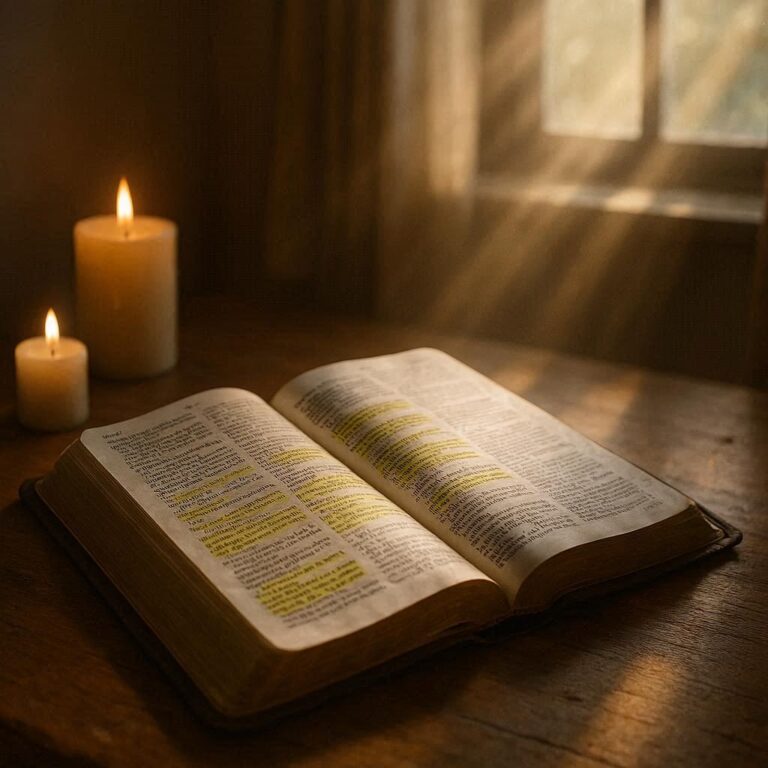
Few themes resonate more deeply in the human heart than the protection of the innocent. Whether it is a child, a marginalized person, or someone simply caught in the crossfire of life, the idea of an innocent person suffering harm stirs a profound sense of injustice. For centuries, people have turned to ancient wisdom to understand this concept, and the Bible stands as a primary source for guidance on morality, justice, and human responsibility.
If you are seeking clarity on what the Scriptures say about harming those who have done no wrong, you have come to the right place. This guide is designed to be a comprehensive, reliable resource. We will explore the Bible’s stance on violence, oppression, and the sacred duty to protect the vulnerable. We will look at specific verses, the stories behind them, and how these ancient texts apply to our modern world.
The Bible does not mince words when it comes to justice. From the laws given to Israel to the teachings of Jesus, the message is consistent: God sees the harm done to the innocent, and He calls His people to be defenders of the defenseless.
Let’s dive deep into this important topic.

Understanding the Heart of God: The Divine Mandate for Justice
Before we list specific verses, it is crucial to understand the foundation. The Bible presents God as a righteous judge who is particularly concerned with those who cannot defend themselves. This is not a minor theme; it is woven into the very fabric of the biblical narrative.
The phrase “harming the innocent” covers a wide range of actions. It includes physical violence, of course, but it also includes oppression, exploitation, deceit, and even verbal attacks. The innocent are often described in Scripture as the “poor,” the “orphan,” the “widow,” and the “foreigner”—groups that lacked social power and were easy targets for exploitation.
Important Note: When we read these verses, we are not just looking for a list of rules. We are looking into the character of God. The prohibitions against harming the innocent are a reflection of His own nature: He is good, just, and loving. Therefore, those who follow Him are called to mirror those same attributes.
Old Testament Foundations: The Law and the Prophets
The Old Testament lays the groundwork for understanding justice. The Law given to Moses contains specific statutes designed to protect the innocent, and the Prophets frequently rebuked Israel for failing in this very duty.
The Sixth Commandment and Its True Meaning
We often think of “You shall not murder” (Exodus 20:13) as a simple rule. But in its original context, it is a profound statement about the value of human life, made in the image of God. This commandment is the cornerstone for any discussion on harming the innocent.
However, the Old Testament law goes much deeper. It distinguishes between accidental killing (manslaughter) and premeditated murder. It established cities of refuge (Numbers 35:9-34) so that someone who killed another unintentionally would have a place of safety from the “avenger of blood.” This system shows that God values intent. It protects the truly innocent person who caused an accident, while ensuring that the deliberate murderer faces justice. Harming someone with malicious intent is treated with the utmost severity.
Specific Warnings Against Oppression
The law is incredibly specific about protecting the most vulnerable members of society. These verses are direct commands against harming the innocent.
-
Exodus 22:21-24: “Do not mistreat or oppress a foreigner, for you were foreigners in Egypt. Do not take advantage of the widow or the fatherless. If you do and they cry out to me, I will certainly hear their cry. My anger will be aroused, and I will kill you with the sword; your wives will become widows and your children fatherless.”
-
This passage is powerful. It connects the treatment of the vulnerable directly to God’s personal intervention. Harming an innocent person is not just a crime against them; it is a crime against God, who promises to be their defender.
-
-
Deuteronomy 27:19: “Cursed is anyone who withholds justice from the foreigner, the fatherless or the widow.” Then all the people shall say, “Amen!”
-
This verse is part of a public ceremony where curses were pronounced for secret sins. It shows that perverting justice for the innocent was considered a national disgrace, a sin so serious it warranted a public curse.
-
The Prophetic Call for Justice
The prophets were God’s spokespeople, and their primary message was often a call to return to covenant faithfulness, which included social justice. They railed against the leaders and the powerful who were harming the innocent for personal gain.
-
Isaiah 1:17: “Learn to do right; seek justice. Defend the oppressed. Take up the cause of the fatherless; plead the case of the widow.”
-
Here, the prophet Isaiah summarizes true religion not as empty rituals, but as active, practical defense of the innocent. It is not enough to simply not harm them; we must actively defend them.
-
-
Jeremiah 22:3: “This is what the Lord says: Do what is just and right. Rescue from the hand of the oppressor the one who has been robbed. Do no wrong or violence to the foreigner, the fatherless or the widow, and do not shed innocent blood in this place.”
-
God, through Jeremiah, gives a clear job description to the king of Judah. It involves rescue, protection, and a strict prohibition against violence toward the innocent. The phrase “shed innocent blood” becomes a powerful idiom for the ultimate act of injustice.
-
-
Amos 5:12: “For I know how many are your offenses and how great your sins. There are those who oppress the innocent and take bribes and deprive the poor of justice in the courts.”
-
The prophet Amos is brutally honest. He points out that the sin of the powerful is not just generic “badness”; it is the specific, calculated act of using their position to harm the innocent and corrupt the legal system.
-
Comparative Table: Old Testament Voices on Justice
| Scripture Reference | Key Theme | Target Audience | Action Required |
|---|---|---|---|
| Exodus 22:21-24 | Oppression of Foreigners/Widows/Orphans | The Community of Israel | Do not mistreat; God will avenge. |
| Deuteronomy 27:19 | Withholding Justice | Judges/Rulers/People | Public curse for perverting justice. |
| Isaiah 1:17 | Defending the Oppressed | The Nation of Israel | Seek justice, defend, plead their case. |
| Jeremiah 22:3 | Rescuing the Robbed/Victimized | The King (Leadership) | Do what is just, rescue, do no wrong. |
| Amos 5:12 | Bribes and Courtroom Injustice | The Powerful/Rich | Depriving poor of justice is a grave sin. |
Wisdom Literature: The Value of a Single Life
The poetic and wisdom books of the Bible, like Psalms and Proverbs, offer a more personal and philosophical look at the theme of innocence.
The Psalms: A Cry for Deliverance
The Psalms are filled with laments from innocent people who are being persecuted. They give voice to the victim and call upon God as the ultimate judge.
-
Psalm 10:2-18: This entire psalm is a meditation on the wicked who hunt down the weak. Verse 8 says, “He lies in wait near the villages; from ambush he murders the innocent. His eyes watch in secret for his victims.” The psalmist cries out to God, affirming that even when human justice fails, God is the helper of the fatherless and will bring the wicked to account.
-
Psalm 82:3-4: “Defend the weak and the fatherless; uphold the cause of the poor and the oppressed. Rescue the weak and the needy; deliver them from the hand of the wicked.”
-
This psalm is addressed to “gods” or divine beings, but it is often interpreted as a charge to human judges and rulers. It is a direct command to use their power for rescue and defense.
-
Proverbs: Practical Wisdom for Daily Life
The book of Proverbs applies godly wisdom to everyday situations. It gives practical advice on how to live justly and warns against the pitfalls of harming others.
-
Proverbs 6:16-19: “There are six things the Lord hates, seven that are detestable to him: haughty eyes, a lying tongue, hands that shed innocent blood, a heart that devises wicked schemes, feet that are quick to rush into evil, a false witness who pours out lies and a person who stirs up conflict in the community.”
-
Notice that “hands that shed innocent blood” is listed right alongside lying and sowing discord. It is not just the act of murder that God hates, but the entire system of deceit and wickedness that leads to it.
-
-
Proverbs 31:8-9: “Speak up for those who cannot speak for themselves, for the rights of all who are destitute. Speak up and judge fairly; defend the rights of the poor and needy.”
-
This famous passage, part of a chapter describing a noble character, summarizes the duty of every person. We are to use our voice as a tool for justice on behalf of the innocent who have no platform.
-
The Gospels: Jesus and the Ultimate Innocent
The New Testament brings the concept of the innocent victim into sharp focus through the life and death of Jesus Christ himself. He is portrayed as the perfectly innocent one who was unjustly harmed.
Jesus’s Teaching on Children and the Vulnerable
Jesus had a special place in his heart for children, who in his culture were considered the lowest in terms of social status. His teachings on this subject are some of the strongest in the Bible regarding harming the innocent.
-
Matthew 18:6: “If anyone causes one of these little ones—those who believe in me—to stumble, it would be better for them to have a large millstone hung around their neck and to be drowned in the depths of the sea.”
-
This is one of the most shocking and severe statements Jesus ever made. “Little ones” refers to those who are humble and dependent on him, like children. To cause them to sin—to harm their faith or lead them astray—is to incur a punishment so severe that it is better to die a horrific death. This verse places the protection of the spiritually and literally vulnerable at the very center of Christian ethics.
-
-
Mark 9:36-37: He took a little child whom he placed among them. Taking the child in his arms, he said to them, “Whoever welcomes one of these little children in my name welcomes me; and whoever welcomes me does not welcome me but the one who sent me.”
-
Jesus identifies himself with the vulnerable. How we treat the “least of these” is how we treat him. This elevates the act of protecting and welcoming the innocent to an act of worship.
-
The Ultimate Example: The Trial and Crucifixion of Jesus
The crucifixion of Jesus is the central story of the New Testament, and it is the ultimate example of the innocent being harmed. The Gospels go out of their way to show that Jesus was found innocent by the authorities who tried him.
-
Luke 23:4: Then Pilate announced to the chief priests and the crowd, “I find no basis for a charge against this man.”
-
Luke 23:14-15: and said to them, “You brought me this man as one who was inciting the people to rebellion. I have examined him in your presence and have found no basis for your charges against him. Neither has Herod, for he sent him back to us; as you can see, he has done nothing to deserve death.”
Despite being declared innocent by the Roman governor and Herod, Jesus was handed over to be crucified. This event is the lens through which Christians view all subsequent injustice. It shows that God understands the pain of being wrongly accused and unjustly harmed. And through the resurrection, it shows that injustice does not have the final word.
The Early Church: Living as a Counter-Cultural Community
The letters of the Apostles (the Epistles) provide instructions for how the early Christian communities were to live in a world that was often hostile and unjust.
Paul’s Letters: Bearing with the Weak
The Apostle Paul’s teachings focus on building up the community of believers. This includes protecting those within the community who are vulnerable.
-
Romans 13:10: “Love does no harm to a neighbor. Therefore love is the fulfillment of the law.”
-
This is a simple but profound summary. Paul condenses the entire ethical teaching of the Old Testament into this principle. If you truly love someone, you will not harm them. This applies to physical harm, emotional harm, and financial harm. It makes love the ultimate protector of the innocent.
-
-
1 Thessalonians 5:14: “And we urge you, brothers and sisters, warn those who are idle and disruptive, encourage the disheartened, help the weak, be patient with everyone.”
-
Paul gives a practical job description for the church. It includes actively “helping the weak.” The church is meant to be a safety net for the innocent who are struggling.
-
The Letter of James: Pure Religion
James, the brother of Jesus, writes one of the most practical books in the New Testament. He defines what genuine faith looks like in action.
-
James 1:27: “Religion that God our Father accepts as pure and faultless is this: to look after orphans and widows in their distress and to keep oneself from being polluted by the world.”
-
James goes back to the Old Testament categories of the most vulnerable—orphans and widows. He argues that caring for them in their time of need is not just a good deed; it is the very definition of “pure and faultless” religion. It is the non-negotiable evidence of a genuine relationship with God. Failing to do so is to practice a hollow, worthless faith.
-
Key Principles: A Summary of the Bible’s Teaching
After looking at all these verses, several clear principles emerge. Understanding these can help us apply the Bible’s wisdom to our lives today.
-
Human Life is Sacred: Because humans are made in the image of God (Genesis 1:26-27), all life has inherent value. Harming an innocent person is an attack on that divine image.
-
God is the Ultimate Defender of the Innocent: Throughout Scripture, God presents himself as the one who hears the cry of the oppressed and will act on their behalf. This offers hope to victims and a stern warning to oppressors.
-
Protection is an Active Duty: The Bible never commends passivity. We are called to actively “defend,” “rescue,” “speak up,” and “help” the weak. It is not enough to simply refrain from harming them ourselves.
-
Justice Must be Impartial: The law and the prophets condemn systems that favor the rich and powerful over the poor and innocent. True justice means treating everyone fairly, regardless of their status.
-
Harming the Innocent is a Spiritual Issue: It is not just a social problem or a legal matter. Oppression and violence are symptoms of a heart that is far from God. The prophets consistently linked idolatry (worshipping other gods) with social injustice.
Applying Ancient Wisdom to Modern Life
So, how do these ancient texts speak to us today? The context has changed, but the principles remain the same. Harming the innocent still happens, and we are still called to be defenders.
The Innocent in Our Midst
Who are the “innocent” today? They are the same groups the Bible identified, plus new categories that fit the same description of vulnerability.
-
The Unborn: For many, this is the most direct application of “defending the innocent” in our time. The debate over abortion centers on the question of when life begins and who deserves protection.
-
Children: This includes protection from abuse, neglect, human trafficking, and exploitation. Jesus’s words about the millstone are a stark warning to anyone who would harm a child physically, emotionally, or spiritually.
-
The Elderly: Those who are frail, isolated in nursing homes, or vulnerable to financial scams are modern-day equivalents of the “widow” who needs defense.
-
Victims of Human Trafficking and Modern Slavery: Millions of people, including many children, are trapped in forced labor and sexual exploitation. They are the epitome of the “oppressed” and “needy” that the Psalms call us to rescue.
-
Refugees and Immigrants: The Bible’s repeated command not to oppress the “foreigner” speaks directly to how we treat refugees, asylum-seekers, and immigrants in our communities. They are often vulnerable to exploitation and prejudice.
-
Victims of Injustice in the Legal System: This includes those who are wrongly convicted, those who cannot afford a good lawyer, and those who are mistreated by those in power. The prophets’ condemnation of those who “deprive the poor of justice in the courts” is as relevant as ever.
Practical Steps: How to Be a Defender
Knowing the verses is one thing. Living them out is another. Here is a list of practical, actionable ways to apply these principles:
-
Educate Yourself: Learn about the issues facing vulnerable people in your own community and around the world. Where is injustice happening?
-
Use Your Voice: Speak up when you see injustice. This could be in a casual conversation with friends, in a meeting at work, or by contacting your elected representatives about laws that affect the vulnerable.
-
Support Organizations: Financially support or volunteer with reputable organizations that defend the innocent. This could be a local crisis pregnancy center, a shelter for abused women, a ministry to refugees, or an anti-trafficking organization.
-
Practice Hospitality: Get to know people who are different from you. Welcome the foreigner, the lonely, and the marginalized into your life and your home. Personal connection breaks down prejudice and opens your eyes to their struggles.
-
Be Fair in Your Own Life: Examine your own actions. Are you fair in your business dealings? Do you treat your employees with dignity? Do you speak kindly about others, or do you participate in gossip that harms their reputation?
-
Pray: Pray for victims of injustice. Pray for wisdom for judges and leaders. Pray for the hearts of oppressors to be changed. And pray that God would show you your own blind spots and give you the courage to act.
Helpful List: Key Themes to Remember
-
The Command is Clear: “Do not mistreat or oppress a foreigner…” (Exodus 22:21).
-
The Warning is Severe: A millstone is better than harming a “little one” (Matthew 18:6).
-
The Call is Active: “Defend the weak and the fatherless…” (Psalm 82:3).
-
The Definition is Practical: Pure religion is caring for orphans and widows (James 1:27).
-
The Motivation is Love: Love does no harm to a neighbor (Romans 13:10).
Conclusion
The Bible’s message about harming the innocent is clear, consistent, and powerful. It is a thread that runs from Genesis to Revelation, revealing a God who is deeply concerned with justice and who calls His people to be like Him. We are not merely asked to avoid doing harm; we are commanded to actively defend, rescue, and speak up for those who cannot defend themselves. This is not an optional add-on to faith; it is the very heart of it.
FAQ: Bible Verses About Harming The Innocent
Q: What does the Bible mean by “the innocent”?
A: The term generally refers to those who are not guilty of a crime or offense warranting punishment. In a broader sense, it refers to the vulnerable, including children, the poor, widows, orphans, and foreigners—people who are often targets of exploitation and oppression through no fault of their own.
Q: Does the Bible say it’s wrong to harm children?
A: Absolutely. Jesus’s teaching in Matthew 18:6 is the strongest possible condemnation of harming a child, stating that it would be better for the offender to die a horrific death than to face the consequences of leading a “little one” astray.
Q: What is the worst punishment in the Bible for harming the innocent?
A: While the Old Testament law prescribed penalties like restitution or, in the case of murder, the death penalty, the New Testament speaks of eternal consequences. Jesus’s warning in Matthew 18 suggests a fate worse than drowning, implying divine judgment. Ultimately, harming the innocent invites God’s personal intervention as the Defender (Exodus 22:21-24).
Q: Are there stories in the Bible about innocent people being harmed?
A: Yes, many. The most prominent is the story of Abel, who was murdered by his brother Cain out of jealousy (Genesis 4). Other examples include Joseph, who was sold into slavery by his brothers, and Naboth, who was falsely accused and killed so King Ahab could steal his vineyard (1 Kings 21). The ultimate example is Jesus Christ himself.
Q: How can I apply these verses to my life if I’m not a judge or a ruler?
A: The application is for everyone. You can “speak up” (Proverbs 31:8-9) in your everyday conversations. You can support organizations that defend the vulnerable. You can practice hospitality and welcome the marginalized. You can treat everyone you meet with fairness and love, refusing to gossip or harm their reputation. Every act of kindness and defense is a practical application of these scriptures.
Additional Resource
To explore this topic further and see how modern faith communities are working to protect the vulnerable, you can visit the website of the International Justice Mission (IJM) . IJM is a global organization that works to protect people in poverty from violence and trafficking, directly applying the principles of biblical justice in the modern world.
(Link to IJM’s official website: www.ijm.org)