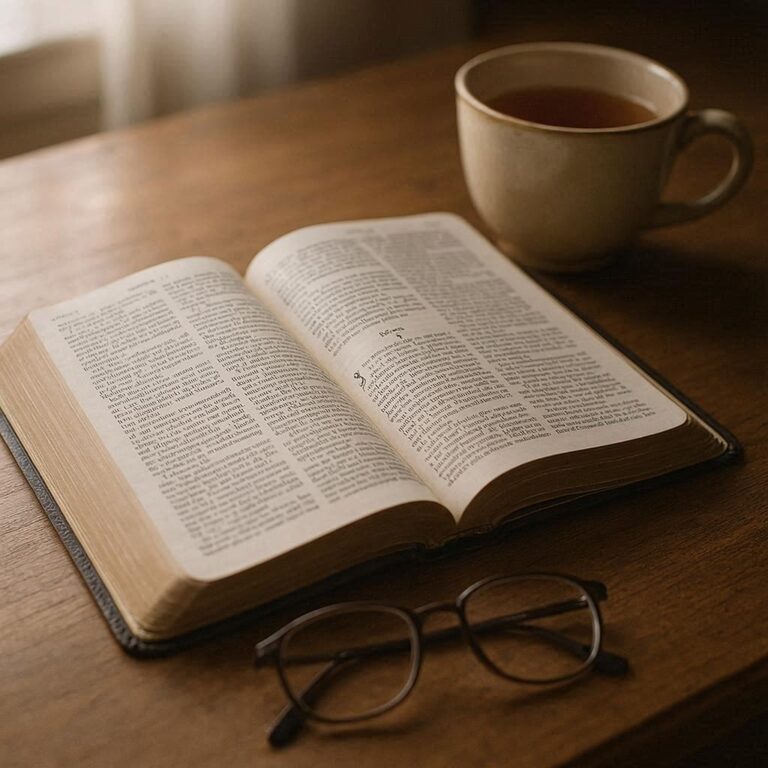
The term “third eye” has captivated spiritual seekers for centuries. In modern New Age and Eastern spiritual traditions, it often refers to an invisible eye located in the forehead, believed to be the gateway to higher consciousness, inner vision, and psychic perception. As this concept gains popularity in wellness and mindfulness circles, many Christians find themselves asking a critical question: What does the Bible say about the third eye? While the Bible never explicitly mentions a “third eye,” it has a profound amount to say about spiritual sight, discernment, and the true source of wisdom and revelation. This article will provide a comprehensive, biblically-rooted exploration of this topic, contrasting popular spiritual beliefs with Christian theology to offer clarity and guidance.
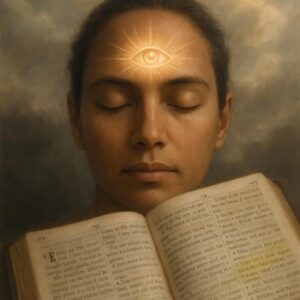
Understanding the “Third Eye” in Contemporary Spirituality
Before we examine the biblical perspective, it’s essential to understand what the “third eye” typically represents in non-Christian contexts.
Common Associations and Beliefs
In many Eastern religions like Hinduism and Buddhism, the third eye (or Ajna chakra) is considered a center of intuition and spiritual power. In contemporary Western spirituality, it’s often associated with:
-
Psychic abilities: Clairvoyance, precognition, and seeing auras.
-
Enlightenment: Achieving a state of higher knowledge and unity with the universe.
-
Inner Vision: Accessing deeper insights about oneself and the nature of reality.
-
Energy Work: Opening and balancing this “chakra” is said to allow spiritual energy to flow freely.
The goal is often to “open” or “awaken” this eye through specific meditations, yoga, or other esoteric practices to unlock these perceived spiritual gifts.
The Biblical View: Spiritual Sight vs. Physical Metaphors
The Bible is deeply concerned with seeing, but primarily in a spiritual and moral sense. Its focus is on the condition of the human heart and its alignment with God, not on activating an esoteric energy center.
The “Single Eye” of Matthew 6:22-23
The passage most often discussed in relation to this topic is Jesus’ teaching in the Sermon on the Mount:
“The eye is the lamp of the body. If your eyes are healthy, your whole body will be full of light. But if your eyes are unhealthy, your whole body will be full of darkness. If then the light within you is darkness, how great is that darkness!” (Matthew 6:22-23, NIV).
What does this mean?
-
Context is Key: Jesus is speaking in the context of treasures, warning against divided loyalty between God and money (Matthew 6:19-24). The “eye” here represents spiritual focus and intention.
-
“Healthy” vs. “Unhealthy”: The Greek word for “healthy” (haplous) implies simplicity, generosity, and singleness of purpose. An “unhealthy” (ponēros) eye is one that is stingy, envious, or morally bad.
-
Biblical Interpretation: This is not a teaching about a mystical third eye. It is a metaphor about spiritual integrity. A person singularly focused on God and His kingdom is “full of light”—they have spiritual clarity and moral understanding. A person whose focus is skewed toward greed or evil is “full of darkness”—spiritually blind and confused.
True Discernment Comes from God, Not Self
The Bible consistently teaches that spiritual understanding and discernment are gifts from God, activated through relationship with Him, not through a technique performed on oneself.
“The natural person does not accept the things of the Spirit of God, for they are folly to him, and he is not able to understand them because they are spiritually discerned.” (1 Corinthians 2:14, ESV).
True spiritual sight is called discernment—the ability to judge well, to distinguish between truth and error, good and evil. This is a function of the Holy Spirit working in a believer who is submitted to God’s word.
Contrasting Worldviews: A Comparative Table
| Aspect | New Age / Eastern “Third Eye” Concept | Biblical Christian Perspective |
|---|---|---|
| Source of Power | Internal energy (kundalini, chi), self-actualization. | The Holy Spirit, a gift from God through faith in Jesus Christ. |
| Goal of Opening | Personal enlightenment, unity with the universe, unlocking hidden psychic abilities. | Knowing God, growing in Christ-like character, serving others in love. |
| Method of Activation | Specific meditative techniques, breathwork, yoga postures, often seeking to empty the mind. | Prayer, studying Scripture, repentance, obedience, worship—engaging with God to fill the mind with truth. |
| Nature of “Sight” | Often subjective, focused on internal visions, future predictions, or perceiving energy fields. | Objective discernment based on God’s revealed Word (the Bible), focused on truth, wisdom, and moral clarity. |
| Authority | The self is the ultimate authority; truth is personal and experiential. | God, as revealed in Scripture and Jesus Christ, is the ultimate authority. |
| Risk | Can lead to deception, spiritual confusion, and openness to harmful spiritual influences. | The risk is spiritual blindness from sin and hard-heartedness, countered by humility and reliance on God. |
Biblical Warnings About Forbidden Spiritual Practices
The Bible is unequivocal in its warnings against pursuing spiritual knowledge or power outside of God’s prescribed way. Practices often associated with “opening the third eye” can fall into biblically forbidden categories.
H3: Divination, Sorcery, and Seeking Omens
Scripture explicitly forbids turning to sources other than God for knowledge of the future or hidden things (Deuteronomy 18:9-12). This includes:
-
Divination: Seeking knowledge by occult means.
-
Sorcery/Witchcraft: Attempting to manipulate spiritual forces.
-
Interpreting Omens: Looking for signs in an unbiblical way.
A Helpful List: Red Flags for Christians
Be discerning about practices that may:
-
Invite “Blankness”: Encourage emptying your mind without filling it with God’s truth (leaving it vulnerable).
-
Seek Hidden Knowledge: Promise secret wisdom or powers not available through Christ.
-
Focus on Self as God: Suggest you are unlocking divine power within yourself apart from God.
-
Use Occult Symbolism: Employ symbols, mantras, or rituals with roots in non-Christian religions that deny Christ.
Important Note for Readers: Not all meditation or mindfulness is inherently wrong. Biblical meditation is commanded (Joshua 1:8) but involves deep, active reflection on God’s Word, not passive emptying. The key is the object and focus of the practice.
The True Path to Spiritual Insight and Wisdom
So, if Christians are not to seek a “third eye,” how do we gain spiritual understanding? The Bible provides a clear and beautiful path.
1. The Renewal of Your Mind
“Do not be conformed to this world, but be transformed by the renewal of your mind, that by testing you may discern what is the will of God, what is good and acceptable and perfect.” (Romans 12:2, ESV).
Spiritual sight begins with a mind being actively renewed by God’s truth, washing away the world’s distorted perspectives.
2. The Indwelling Holy Spirit
Jesus promised the Holy Spirit as our “Helper” and “Spirit of truth” who would guide us into all truth (John 16:13). He is the divine teacher who illuminates Scripture and gives us discernment.
3. The “Eyes of Your Heart”
The Apostle Paul prayed for believers to have “the eyes of your hearts enlightened” (Ephesians 1:18). This is a prayer for inner, spiritual perception—to know the hope of our calling and the riches of God’s glory. This enlightenment comes through revelation, not technique.
Conclusion
The Bible redirects the quest for a “third eye” from an internal, energy-based concept to a relational and moral one. True spiritual sight is not about unlocking psychic powers but about receiving a transformed heart and a renewed mind from God. It is found in the single-minded focus on Christ, the discernment granted by the Holy Spirit, and the wisdom revealed in Scripture. The ultimate goal is not personal enlightenment but knowing and glorifying God.
FAQ
Q1: Is it a sin to talk about or be curious about the third eye?
A: Curiosity is natural, and understanding cultural concepts is not a sin. However, the Bible calls us to take every thought captive to obey Christ (2 Corinthians 10:5). Engaging in practices designed to “open” it or seeking the experiences it promises would be stepping into biblically forbidden territory.
Q2: What about Christian mystics who had visions?
A: Biblical figures who received visions (like Isaiah, Ezekiel, or John in Revelation) were sovereignly acted upon by God. They did not use techniques to induce these states. The visions always served God’s redemptive purposes and aligned with His revealed truth. These are distinct from self-induced trance states.
Q3: Can Christians practice mindfulness?
A: It depends on the form. Secular mindfulness focused on stress reduction through present-moment awareness can be a tool. However, mindfulness rooted in Buddhist doctrine or that seeks to detach from thought/self in an emptying way conflicts with the biblical call to be transformed by the renewing of our minds. A Christian alternative is “Christ-centered mindfulness” or meditation, focusing on the presence of God, attributes of Christ, or truths from Scripture.
Additional Resource
For a deeper dive into biblical discernment and spiritual warfare from a trusted Christian perspective, we recommend the article “Discerning Spirits: A Biblical Guide” from GotQuestions Ministries. This resource provides clear, scripture-based answers on navigating spiritual realities.