When you hear the word “shelter,” you likely picture a physical structure—a house, a tent, a haven from a storm. In our modern context, it’s a fundamental human need. But within the pages of the Bible, the concept of shelter explodes into a rich, multi-layered spiritual truth. It’s not just about physical protection; it’s about identity, relationship, and divine promise. The biblical meaning of shelter is, ultimately, about where we find our true safety, our unshakable security, and our eternal home.
This deep dive will explore shelter as a profound metaphor for God’s character, our relationship with Him, and our mission in the world. We’ll move from the storm-wracked psalms to the teachings of Jesus, uncovering how this ancient idea speaks directly to our deepest needs for safety and belonging today.

God as Our Ultimate Shelter and Refuge
At the heart of the biblical narrative is a simple, powerful claim: God Himself is the ultimate shelter for His people. This isn’t a vague spiritual idea; it is presented as a concrete, experiential reality for those who trust in Him.
The Psalms: A Symphony of Refuge
The Book of Psalms is the deepest well for this imagery. The Hebrew words for refuge (machaseh), stronghold (misgab), fortress (metsudah), and hiding place (sether) are used dozens of times, painting a picture of God as an impregnable sanctuary.
“God is our refuge and strength, an ever-present help in trouble.” – Psalm 46:1
This famous verse establishes the theme. God is not a distant observer; He is an ever-present refuge. He is actively involved, a source of strength within the trouble, not just an escape from it.
Other powerful declarations include:
-
Psalm 91:1-2: “Whoever dwells in the shelter (sether) of the Most High will rest in the shadow of the Almighty. I will say of the Lord, ‘He is my refuge (machaseh) and my fortress (metsudah), my God, in whom I trust.'”
-
Psalm 61:3-4: “For you have been my refuge, a strong tower against the foe. I long to dwell in your tent forever and take refuge in the shelter of your wings.”
The imagery here is intimate and powerful—from the protective shadow of a parent to the wings of a mother bird. This is personal shelter.
A Comparative Look: Worldly Shelter vs. God as Shelter
| Feature | Worldly Shelter (House, Wealth, Status) | God as Shelter (Biblical View) |
|---|---|---|
| Foundation | Sand, stone, or financial markets—subject to erosion and collapse. | The Rock (Psalm 18:2)—unchanging, eternal, and solid. |
| Durability | Temporary. Prone to decay, disaster, or loss. | Eternal and imperishable. “The eternal God is your refuge” (Deuteronomy 33:27). |
| Scope of Protection | Primarily physical. Cannot guard against fear, guilt, anxiety, or spiritual attack. | Holistic. Protects the soul, provides peace in chaos, and offers salvation. |
| Access | Often limited by resources, geography, or social standing. | Available to all who call on Him. “Everyone who calls on the name of the Lord will be saved” (Romans 10:13). |
| Cost | High financial and material cost. | Granted through grace and faith. “Come to me… and I will give you rest” (Matthew 11:28). |
Key Symbols of Shelter in Scripture
Beyond direct statements, the Bible uses powerful physical symbols to convey the spiritual reality of God’s shelter.
1. The Rock
Perhaps the most common symbol. In a desert landscape, a rock provided shade from the sun and a defensible high point against enemies.
-
“The Lord is my rock, my fortress and my deliverer.” – 2 Samuel 22:2
-
It speaks of stability, permanence, and defensive strength. We are invited to build our lives on this unshakable foundation (Matthew 7:24-25).
2. The Shadow of His Wings
This beautiful, tender image is drawn from the natural world of birds protecting their young.
-
“Keep me as the apple of your eye; hide me in the shadow of your wings.” – Psalm 17:8
-
It conveys intimacy, care, and proximate protection. It’s not a distant, walled city, but a close, covering presence.
H3: 3. The Strong Tower / Fortress
A military image for a time of constant threat.
-
“The name of the Lord is a fortified tower; the righteous run to it and are safe.” – Proverbs 18:10
-
This emphasizes security from active attack, a place of safety where threats cannot reach. His very name—His character and reputation—is our sanctuary.
4. The Secret Place / Hiding Place
This suggests secrecy, intimacy, and being set apart.
-
“You are my hiding place; you will protect me from trouble and surround me with songs of deliverance.” – Psalm 32:7
-
It is a personal, known only to God and the believer, a sanctuary for the soul away from the glare of the world and accusation.
Important Note: These symbols are not mutually exclusive. They layer upon each other to give us a full picture of God’s protective nature. He is both the impenetrable fortress for the warrior and the tender wing-shade for the vulnerable.
H2: Our Calling: To Be Shelter for Others
The biblical meaning of shelter is not only something we receive; it is something we are called to become. Our experience of God’s refuge naturally flows outward into a ministry of providing shelter—physical, emotional, and spiritual—to a hurting world.
Shelter as Justice and Compassion
The Mosaic Law is filled with commands to provide literal shelter and protection for the vulnerable:
-
The Sojourner/Stranger: Israel was repeatedly commanded not to oppress the foreigner, remembering they were once foreigners in Egypt (Exodus 22:21).
-
The Levite: This landless tribe was to be given homes and support among the other tribes (Deuteronomy 14:29).
-
The Poor and Needy: Provision for them was a matter of justice, not just charity.
The Ultimate Model: Jesus Christ
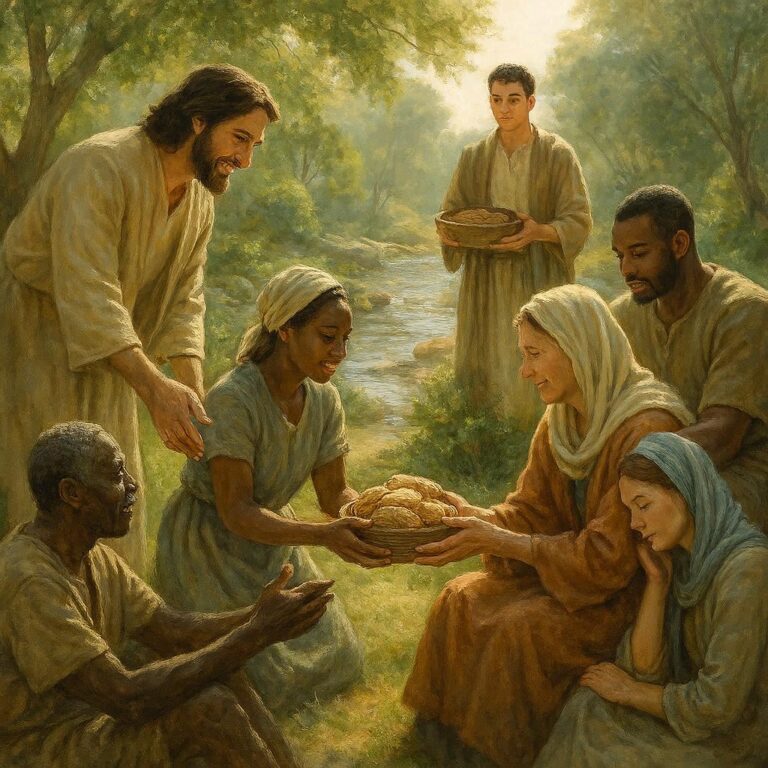
Jesus embodied being shelter. He touched the untouchable, dined with the outcast, defended the condemned, and declared, “Come to me, all you who are weary and burdened, and I will give you rest” (Matthew 11:28). He was personal refuge incarnate.
Furthermore, He identified Himself with the needy, stating that when we shelter the stranger, we shelter Him (Matthew 25:35-40). This elevates the act of providing shelter to a sacred encounter.
Practical Ways to Provide Shelter Today
This isn’t just ancient history. The call is active for modern believers:
-
Physical Hospitality: Opening our homes or supporting housing ministries for those in crisis.
-
Emotional Sanctuary: Being a safe, non-judgmental listener for someone going through grief, depression, or confusion.
-
Spiritual Refuge: Creating communities (churches, small groups) where people can be authentic, ask hard questions, and find grace.
-
Advocacy: Working for justice and systems that protect the vulnerable—the refugee, the unborn, the trafficked, the impoverished.
H2: Finding Shelter in the Storm: A Practical Application
Life guarantees storms—loss, illness, betrayal, anxiety. How do we move from knowing God is a shelter to actually dwelling in that shelter?
-
Acknowledge the Storm: Don’t deny your fear or pain. The psalmists always named their trouble before declaring God’s refuge.
-
Choose to Dwell: Psalm 91:1 says “Whoever dwells…” This is an active, continuous choice of trust, of setting your mind on His promises.
-
Speak the Truth: Declare scriptures about God’s refuge out loud, as the psalmist does: “I will say of the Lord, ‘He is my refuge…'” (Psalm 91:2).
-
Run to the Name: When panic strikes, don’t just ruminate. Call on His name. “Jesus.” “Lord, help me.” This is the “strong tower” of Proverbs 18:10.
-
Community: Let others provide Christ-like shelter for you. Allow your faith to be upheld by the body of believers.
Helpful List: Psalms to Pray in Trouble
For immediate spiritual shelter, pray through these Psalms:
For Overwhelming Fear: Psalm 56:3 – “When I am afraid, I put my trust in you.”
For Deep Distress: Psalm 18:2-3 – A powerful declaration of God as rock, fortress, and deliverer.
For Guilt and Hiding: Psalm 32:7 – On God as a hiding place and surrounding us with deliverance.
For General Anxiety: Psalm 62:1-2 – “Truly my soul finds rest in God…”
Conclusion
The biblical meaning of shelter transforms a basic human need into a profound spiritual journey. It reveals God as our ultimate, unshakable refuge—our rock, fortress, and hiding place. It challenges us to move beyond receiving this gift to actively becoming a sanctuary of compassion, justice, and grace for others. Ultimately, it invites us to find our true and lasting home not in temporary structures, but in the eternal, sheltering presence of God Himself.
FAQ
Q1: What is the main Hebrew word for “shelter” in the Bible?
A: There are several, but key ones are machaseh (refuge, shelter from rain or danger), sether (hiding place, covering, secrecy), and metsudah (fortress, stronghold). Each adds a different nuance to God’s protective nature.
Q2: Does God’s shelter mean I won’t experience hardship?
A: No. Biblical shelter is not the absence of storms, but safety and peace within them. Psalm 91 speaks of trouble all around (vv. 5-7), but the one dwelling in God’s shelter is preserved in heart and ultimately delivered.
Q3: How can I “dwell” in God’s shelter as Psalm 91 says?
A: It starts with a relationship of trust through Jesus Christ. Practically, it’s a daily orientation of your heart—through prayer, scripture, worship, and obedience—that chooses to rely on His promises more than your perceptions.
Q4: What’s the difference between a “stronghold” and God as a “stronghold”?
A: In the Bible, a “stronghold” can be a positive (God as our defensive fortress) or a negative (a “stronghold” as an entrenched pattern of sin or thought in our lives that opposes God – 2 Corinthians 10:4). Context determines the meaning.
Additional Resource
For a deeper study on the Names of God that reflect His sheltering nature (e.g., El Shaddai – God Almighty), visit [Link to a reputable, theologically sound site like BibleProject.com‘s article on God’s names].