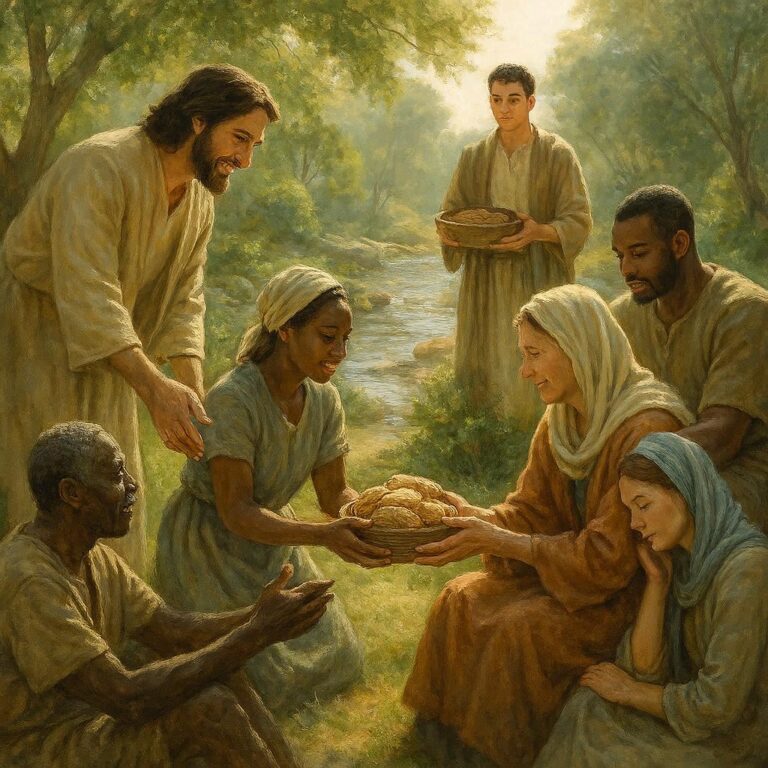
When we hear the word “honor,” we might think of military medals, respectful gestures, or personal integrity. But within the pages of the Bible, honor carries a meaning that is far richer, heavier, and more transformative. It’s not just about polite behavior; it’s a fundamental currency of the Kingdom of God, a powerful force that shapes our relationship with the Divine, our community, and ourselves.
This article will take you on a deep dive into the biblical concept of honor. We’ll move beyond surface-level definitions to uncover what it truly means to live a life of honor according to Scripture. You’ll discover how honor is deeply intertwined with worship, how it functions as a tangible weight of value, and how it is expressed in startlingly practical actions.

What Does “Honor” Really Mean in the Bible?
To grasp the biblical meaning of honor, we must first understand the original words behind it. The English term often flattens a multidimensional idea. In the original languages of Scripture, honor is robust and vivid.
The Hebrew Concept: Kavod (Weight or Glory)
In the Old Testament, the primary Hebrew word for honor is כָּבוֹד (kavod). Its root meaning is “heavy” or “weighty.” This is profound. To honor someone is to acknowledge their weight, their significance, their substantial value. It’s the opposite of treating something as light, insignificant, or trivial.
-
When the Bible says, “Ascribe to the Lord the glory (kavod) due his name” (Psalm 96:8), it’s calling us to recognize and declare God’s immense, weighty worth.
-
Proverbs tells us, “The wise inherit honor (kavod)” (Proverbs 3:35). Their lives carry weight and substance, earning them genuine respect.
Thus, kavod translates not only to “honor” but also to “glory.” God’s glory is the radiant, manifest weight of His perfect character and presence.
The Greek Concept: Timē (Value or Price)
In the New Testament, the Greek word τιμή (timē) takes center stage. This word refers to a value or price, something precious. It implies esteem, dignity, and recognition of worth.
-
Jesus quotes the commandment, “Honor (timaō) your father and mother” (Matthew 15:4), which means to value and prize them highly.
-
Peter instructs, “Honor (timē) everyone” (1 Peter 2:17). This is a call to recognize the inherent God-given value in every human being.
Timē moves the concept from abstract weight to concrete valuation. To honor is to assign and acknowledge true worth.
Key Insight: Biblical honor is not a fleeting feeling of respect. It is the active recognition of the substantial weight (kavod) and precious value (timē) inherent in God and in people made in His image.
The Three-Dimensional Framework of Biblical Honor
Biblical honor isn’t a one-way street. It operates within a dynamic, triangular framework that defines a healthy spiritual and social life.
1. Honor Upward: Toward God
This is the ultimate and primary direction of honor. All true honor originates from recognizing God’s supreme kavod and timē.
-
Worship as Honor: We honor God through heartfelt worship, obedience, and trusting His character. “Those who honor me I will honor” (1 Samuel 2:30).
-
Stewardship as Honor: How we manage our time, resources, and bodies reflects what we value. Honoring God means treating what He has given us as a sacred trust.
2. Honor Outward: Toward Others
This is the practical outworking of honoring God. We are commanded to extend honor horizontally to those around us.
-
In the Family: “Honor your father and mother” (Exodus 20:12) is the first commandment with a promise, ensuring societal and personal stability.
-
In the Church: “Outdo one another in showing honor” (Romans 12:10). We are to race to value each other.
-
In Authority: “Honor everyone… Honor the emperor” (1 Peter 2:17). We acknowledge the role and office, even if the person is flawed.
-
In All Relationships: Showing “honor to the marriage bed” (Hebrews 13:4), respecting employers/employees, and caring for widows and orphans are all acts of honor.
3. Honor Inward: Toward Self
This is not about pride, but about recognizing our own God-given value. We honor ourselves by living in alignment with our created purpose.
-
Your Body as a Temple: “Honor God with your bodies” (1 Corinthians 6:20). This involves purity, health, and rest.
-
Your Calling: We honor the gifts and calling God has placed within us by developing and using them for His purposes.
Honor in Action: More Than a Feeling
The Bible relentlessly connects honor with visible action. It’s demonstrated, not just felt.
| Biblical Principle | Practical Action of Honor | Scripture Example |
|---|---|---|
| Providing & Caring | Financial and physical provision, especially for family. | 1 Timothy 5:8 (providing for relatives); The story of Ruth and Boaz. |
| Obedience & Respect | Listening, submitting to authority, speaking respectfully. | Ephesians 6:1-3 (children obey); 1 Peter 2:18 (servants respect masters). |
| Giving Weight & Time | Prioritizing someone, listening attentively, showing up. | James 2:1-9 (not showing favoritism); Philippians 2:3 (counting others more significant). |
| Public Acknowledgement | Praising virtue, thanking others, not shaming. | Proverbs 31:31 (“Give her the fruit of her hands”); Romans 13:7 (Give respect to whom respect is owed). |
A Helpful List: 5 Everyday Ways to Practice Biblical Honor
-
Speak Life: Use your words to build up, not tear down. Avoid gossip and slander.
-
Keep Promises: Your integrity in small things shows you value your word and the other person’s trust.
-
Be Present: Put away distractions. Active listening says, “You matter to me right now.”
-
Serve Practically: Help with a chore, run an errand, or offer a meal. Service assigns tangible value.
-
Give Generously: Whether money, time, or encouragement, generosity is a powerful language of honor.
The Stark Contrast: Honor vs. Shame in Scripture
The ancient world (and the Bible) operated on an honor-shame paradigm. Honor was public esteem, while shame was public disgrace. Understanding this contrast is crucial.
-
Christ’s Paradox: Jesus turned this system upside down. He, the most honorable being, willingly took on the ultimate shame of the cross (Hebrews 12:2). He exchanged His honor for our shame.
-
The Christian Path: We are called to a similar paradox. “God chose what is lowly and despised in the world… so that no human being might boast in the presence of God” (1 Corinthians 1:28-29). Our honor now comes from being “in Christ,” not from worldly status.
-
Future Honor: Scripture promises that those who humble themselves and honor God in this life will be honored by Him in eternity (1 Samuel 2:30; John 12:26).
Important Note: Biblical honor is never an excuse for enabling abuse or sin. Honoring a parent does not mean submitting to violence. Honoring authority does not mean disobeying God. Wisdom and boundaries are essential. We honor the office and the image of God in the person, even when we must oppose their actions.
The Ultimate Example: Jesus Christ as the Embodiment of Honor
Jesus is the perfect model of this three-dimensional honor.
-
Honor Upward: “I always do the things that are pleasing to him [the Father]” (John 8:29). His entire life was an act of honoring the Father.
-
Honor Outward: He honored the marginalized—women, children, tax collectors, lepers—by seeing them, touching them, and valuing them against cultural norms.
-
Honor Inward: He knew His identity and worth as the Son of God, which allowed Him to serve humbly without being diminished.
His sacrifice was the greatest act of honor: honoring the Father’s will and honoring us by purchasing our redemption.
Conclusion
The biblical meaning of honor is a profound call to recognize and act upon the true weight and value of God and others. It transforms worship into awe, duty into delight, and relationships into sacred trusts. By learning to give honor upward to God, outward to our neighbors, and inward to ourselves as God’s handiwork, we align our lives with the very fabric of His Kingdom and reflect the character of Christ, who is worthy of all honor and glory.
FAQ on the Biblical Meaning of Honor
Q: Does honoring someone mean I always have to agree with them?
A: No. Honor is about acknowledging worth and showing respect, not about blind agreement. You can honor someone’s position or humanity while respectfully disagreeing with their ideas or actions.
Q: How can I honor an authority figure who is dishonorable?
A: The Bible guides us to honor the office or position (Romans 13:1-7). This can mean praying for them, obeying just laws, and speaking truth with respect. It does not require endorsing sinful behavior. Your ultimate allegiance is to God.
Q: What does it mean that “a prophet is not without honor except in his hometown”?
A: Jesus said this (Matthew 13:57) to highlight how familiarity can breed contempt. Those who know us intimately often struggle to assign proper weight (kavod) to our calling or wisdom because they remember our ordinary origins. It warns against underestimating God’s work in those closest to us.
Q: Is self-honor the same as pride?
A: No. Biblical self-honor is rooted in understanding you are made in God’s image and are of immense value to Him. It leads to stewardship and healthy boundaries. Pride is an inflated, self-centered view that steals honor from God. One is gratitude for God’s creation; the other is rebellion against the Creator.
Additional Resource
For a deeper study on how honor-shame cultures influence our reading of the Bible, explore the resources at the HonorShame Network. This site provides scholarly yet accessible articles and books that contextualize Scripture within its ancient cultural framework. (Note: This is an external resource for academic enrichment.)