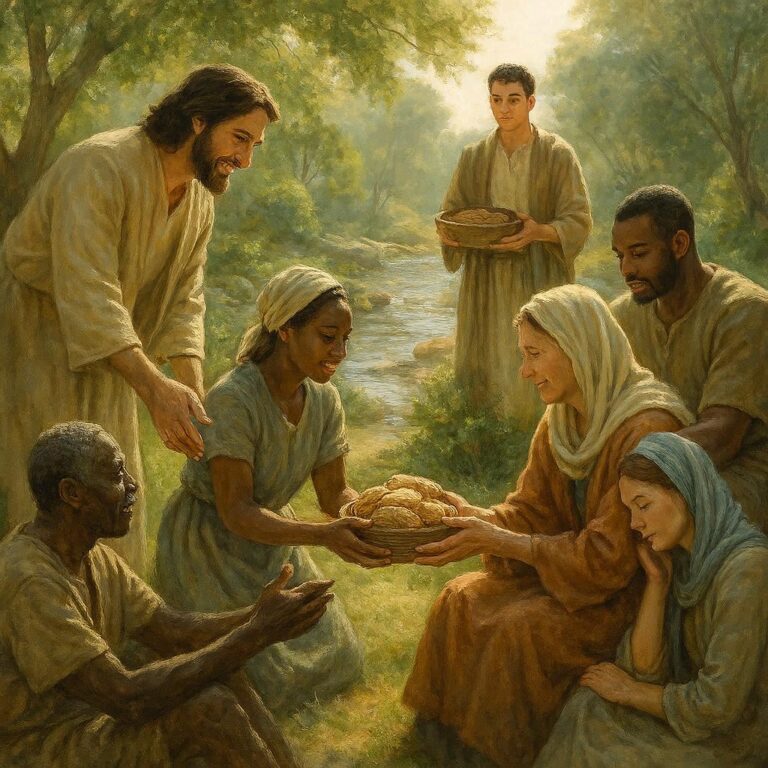
Forbearance is a word we might encounter in an old book or a formal document, but in the context of the Bible, it vibrates with profound spiritual energy. It’s far more than just “putting up with” someone. The biblical meaning of forbearance is a dynamic, God-inspired virtue that combines patience, restraint, mercy, and deliberate love in the face of provocation or injury. It’s the active choice to hold back a justified reaction to create space for grace and redemption. In a world of quick tempers and instant reactions, understanding this ancient concept is a transformative key to healthier relationships and deeper faith.
What Does Forbearance Mean in the Bible?
At its core, biblical forbearance (anochē in Greek) means to hold back, to bear with, or to endure patiently. It is the suspension of anger or judgment when one has the right or power to act. It’s not passive weakness but strength under control. Think of it as the divine pause button—a conscious decision to absorb an offense without retaliation, motivated by love and hope for the other person’s good.
This concept is deeply intertwined with God’s own character. The Bible repeatedly describes God as “slow to anger” (Exodus 34:6), a perfect picture of divine forbearance. He holds back the full weight of His judgment, giving humanity time and opportunity to repent and turn to Him.

Forbearance vs. Similar Biblical Concepts
It’s easy to confuse forbearance with other virtues. Here’s how it stands apart:
| Virtue | Primary Focus | Forbearance’s Unique Role |
|---|---|---|
| Patience | Enduring difficult circumstances or delays. | Patiently enduring the difficult people in your life. |
| Forgiveness | Releasing debt and guilt after an offense. | The grace-filled pause before forgiveness, creating space for reconciliation. |
| Tolerance | Allowing differing beliefs or behaviors. | An active, loving endurance that seeks the other’s good, not just coexistence. |
| Self-Control | Restraining one’s own impulses and desires. | Specifically applying self-control in relational conflict. |
Key Bible Verses on Forbearance
The New Testament, particularly the writings of Paul, brings the concept of forbearance into sharp focus for Christian living.
Ephesians 4:1-3: “I therefore, a prisoner for the Lord, urge you to walk in a manner worthy of the calling to which you have been called, with all humility and gentleness, with patience, bearing with one another in love, eager to maintain the unity of the Spirit in the bond of peace.”
Key Insight: Here, forbearance (“bearing with”) is the practical glue for church unity. It’s the everyday action that protects peace.
Colossians 3:12-13: “Put on then, as God’s chosen ones, holy and beloved, compassionate hearts, kindness, humility, meekness, and patience, bearing with one another and, if one has a complaint against another, forgiving each other; as the Lord has forgiven you, so you also must forgive.”
Key Insight: Forbearance is listed as essential spiritual clothing. It is the immediate step that leads naturally to forgiveness.
Romans 2:4: “Or do you presume on the riches of his kindness and forbearance and patience, not knowing that God’s kindness is meant to lead you to repentance?”
Key Insight: This verse reveals God’s ultimate purpose for His forbearance toward us: it is an act of kindness designed to lead us to change, not a license to continue sinning.
Romans 3:25-26: Discusses how God, in His divine forbearance, had passed over former sins, ultimately to demonstrate His justice at the cross.
The Divine Model: God’s Forbearance Toward Us
The entire biblical narrative is framed by God’s forbearance. From the moment Adam and Eve sinned, God could have justly ended humanity’s story. Instead, He clothed them and set a plan of redemption in motion.
-
In the Old Testament: God endured centuries of Israel’s idolatry, rebellion, and complaining. Prophets were sent, warnings were given, and judgments were often tempered with mercy. God’s restraint was rooted in His covenant promises.
-
In the Person of Jesus: Christ is the perfect embodiment of God’s forbearance. He patiently taught His slow-to-understand disciples, endured the insults of the religious leaders, and, on the cross, exemplified the ultimate act of “bearing with” humanity’s sin, praying, “Father, forgive them, for they know not what they do.”
-
In Our Lives Today: Every day that we experience grace, every moment we are given to turn from wrongdoing, is a direct experience of God’s active forbearance. It is His merciful delay of judgment, inviting us into relationship.
Practical Steps to Cultivate Forbearance
Forbearance is a fruit of the Spirit (closely linked to patience and kindness). It can be cultivated.
-
Pause and Pray. Before reacting to an offense, create a deliberate pause. Use that moment to ask for God’s perspective.
-
Remember Your Own Need. Reflect on the immense forbearance God daily shows you. This humbles the spirit and softens the heart.
-
Seek Understanding, Not Victory. Ask questions. Try to see the situation from the other person’s perspective. The goal is reconciliation, not winning an argument.
-
Choose the Longer View. Forbearance is invested in the long-term health of a relationship or the ultimate good of a person, not just immediate peace.
-
Know the Limits. Biblical forbearance is not enabling abuse or enduring unrepentant, destructive sin. It creates space for repentance, not for continued harm. Sometimes, the most loving action involves setting boundaries while maintaining a forgiving heart.
Forbearance in Action: Real-Life Applications
-
In Marriage: It’s choosing not to criticize your spouse for leaving dishes in the sink again, but instead addressing habits with kindness and teamwork.
-
In Parenting: It’s responding patiently to a child’s tenth “why?” of the hour, seeing it as curiosity, not annoyance.
-
At Work: It’s bearing with a difficult colleague without gossip or retaliation, while maintaining professional standards.
-
In Church Community: It’s patiently listening to a brother or sister with different opinions, valuing the person over the need to be right.
Important Note: Forbearance can be emotionally draining. It is not a call to be a doormat or to neglect self-care. It is a call to draw on God’s limitless strength to love others as He loves us. Healthy boundaries and Godly community support are vital for practicing forbearance without burning out.
Conclusion
The biblical meaning of forbearance transforms it from a dusty, archaic term into a vital, vibrant spiritual discipline. It is the courageous, love-filled choice to suspend our right to retaliate, mirroring the patient, long-suffering heart of God Himself. By bearing with one another, we not only preserve unity and foster peace but also become living testimonies of the grace that is continually extended to us. It is, in essence, the practical outworking of the command to “love your neighbor as yourself.”
Frequently Asked Questions (FAQ)
Q: Is forbearance the same as ignoring a problem?
A: Absolutely not. Forbearance is an active, conscious engagement filled with love and hope. Ignoring a problem is passive avoidance, often rooted in fear or apathy. Forbearance sees the problem and chooses a grace-filled response.
Q: How long should I “bear with” someone?
A: The Bible doesn’t give a formula. It calls for a posture of the heart. The key is to let love and wisdom, guided by the Holy Spirit, be your compass. Forbearance should move toward reconciliation, forgiveness, or, if necessary, wise boundaries—not endless cycles of hurt.
Q: Doesn’t constant forbearance make me weak?
A: From a worldly perspective, it might seem so. But biblically, it is a sign of immense strength. It takes far more strength to control one’s spirit and respond with patient love than to give in to anger (Proverbs 16:32). It is the strength of Christ in you.
Q: Can I ask God for more forbearance?
A: Yes! Since forbearance is linked to the fruit of the Spirit, you can pray for God to develop this character trait in you. Pray for His heart toward those who try your patience.
Additional Resources
To delve deeper into the related themes of patience, forgiveness, and God’s character, consider studying the following resource from BibleProject: “Slow to Anger”. This visual exploration beautifully connects God’s forbearance to His covenant love.