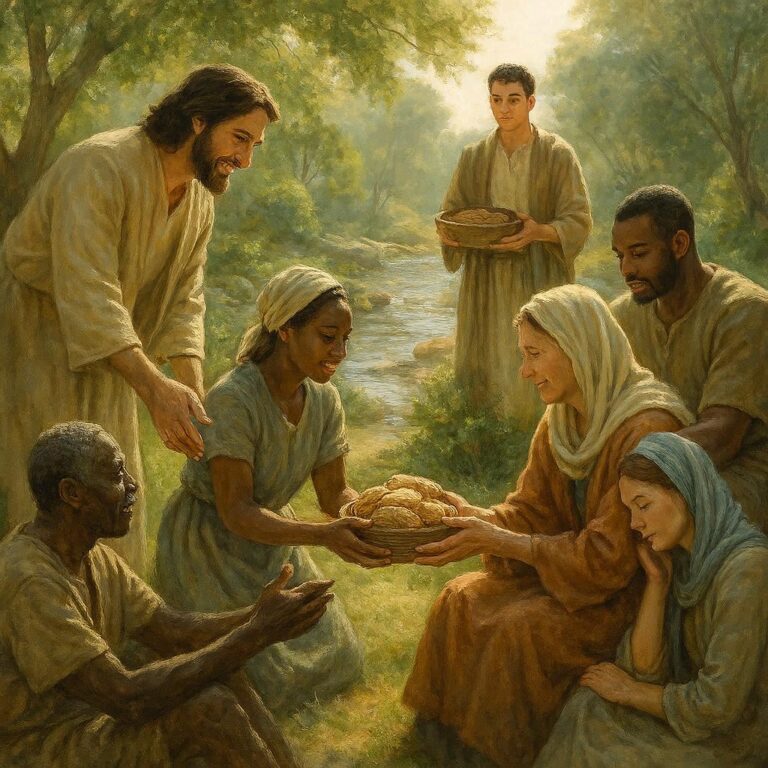
Imagine walking through the pages of the Bible, not as a barren desert of abstract concepts, but as a living, breathing landscape—a tapestry woven with the vibrant colors and delicate fragrances of flowers. From the verdant meadows of the Psalms to the parables whispered in Galilean fields, the scriptures are suffused with botanical imagery. These are not mere decorative details or accidental mentions. Each bud, each bloom, each towering tree is a deliberate brushstroke in a divine portrait, a silent sermon preached in petals and leaves. This article invites you on an exclusive, comprehensive journey to unearth the profound biblical meaning embedded in flowers and plants. We will move beyond simplistic modern attributions and delve into the ancient soil of the Near East, exploring the original languages, cultural contexts, and theological depths of Scripture’s flora. Prepare to see familiar passages in a new light and discover how the lily’s trust, the hyssop’s cleansing, and the mustard seed’s audacity continue to speak directly to the human soul, offering timeless lessons of faith, hope, and God’s meticulous care.
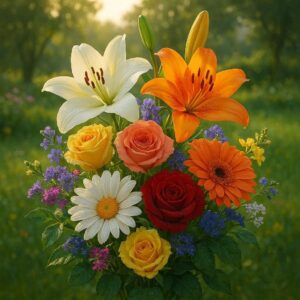
2. The Language of Creation: Why Flora Matters in Scripture
To understand the biblical meaning of flowers, we must first appreciate the “language” in which they speak. In the ancient Hebrew and early Christian worldview, the natural world was not separate from the spiritual realm; it was its primary vocabulary. God, as the master author, often chose to reveal His character, His plans, and His truths through the book of nature (Psalm 19:1-4; Romans 1:20). This is known as theophany—God showing Himself through creation—and symbolic typology, where physical realities point to spiritual truths.
The biblical authors were acute observers of their environment. They drew metaphors from the agricultural cycles they lived by, the herbs they used for medicine and ritual, and the wildflowers that painted their hillsides. A flower was never just a flower. Its lifecycle—from hidden seed to glorious, transient bloom, to withering—mirrored human life, divine sovereignty, and the promise of resurrection. Its beauty pointed to the artistry of the Creator. Its specific properties (fragrance, thorns, medicinal use, resilience) became potent symbols for spiritual conditions.
Furthermore, the Garden of Eden establishes the template: God placed humanity in a perfected garden, a place of intimate relationship, provision, and beauty. The story of redemption, therefore, is often framed as a restoration to a garden state (Revelation 22:1-2). Every mention of flourishing plants echoes that original paradise and anticipates its restoration, making botany a core narrative thread in the Bible’s story of creation, fall, and redemption.
3. The Lily of the Field: A Testament to Divine Provision
Key References: Matthew 6:28-30; Luke 12:27-28; Song of Songs 2:1-2, 4:5, 5:13, 6:2-3, 7:2
Perhaps no biblical flower is more famous than the “lily of the field” from Christ’s Sermon on the Mount. His exhortation, “Consider the lilies of the field, how they grow: they neither toil nor spin, yet I tell you, even Solomon in all his glory was not arrayed like one of these” (Matthew 6:28-29), is a cornerstone of teaching on God’s provision and the folly of anxious toil.
But what exactly was this “lily”? The Greek word krinon and Hebrew shoshannah are generic terms for a “beautiful, showy flower,” likely not referring to the modern Lilium genus alone. Botanists and scholars propose several candidates native to the Galilean landscape:
-
The Crown Anemone (Anemone coronaria): A prime candidate. Its dazzling red, purple, and white blooms carpet Israeli fields in spring. It is spectacularly beautiful but ephemeral, perfectly illustrating both God’s extravagant care and the fleeting nature of earthly glory (Isaiah 40:6-8).
-
The Gladiolus, Iris, or Tulip: Other showy spring flowers of the region.
-
The True Lily (Lilium candidum): The Madonna Lily, though likely cultivated, symbolizes purity and is often associated with the Virgin Mary in later Christian art.
Theological Significance:
Jesus’s teaching uses the lily’s beauty and transience. Its beauty is a gift, not a product of labor, modeling God’s grace-based provision. We are valued not for what we produce but as creatures of the Creator’s delight. Its fleeting life underscores the priority of trust. If God invests such artistry in a transient flower, how much more will He care for His eternal children? He is a God who clothes the grass, a detail emphasizing His intimate, covering care. The lily becomes an antidote to worry, a living reminder that life is more than material sustenance, and that seeking God’s Kingdom aligns us with the source of all true provision.
4. The Rose of Sharon & the Lily of the Valleys: Unveiling Botanical Identities
Key References: Song of Songs 2:1-2 (Rose of Sharon); Song of Songs 2:1-2, 4:5, 5:13, 6:2-3, 7:2 (Lily of the Valleys)
These romantic epithets from the Song of Songs are beloved but often misunderstood. The “Rose of Sharon” and “Lily of the Valleys” are not the modern hybrid tea rose or the delicate Convallaria majalis. The Hebrew text points to different, region-specific flora.
-
Rose of Sharon (חבצלת השרון – Chavatzelet HaSharon): The Sharon is a coastal plain in Israel. The chavatzelet is likely the Autumn Crocus (Colchicum autumnale) or a type of Meadow Saffron or Narcissus. It is a bulbous plant producing striking, often purple-pink, crocus-like flowers in autumn, directly from the ground. Its symbolism is one of surprising, resilient beauty emerging in an unlikely place (the plain) and time (autumn).
-
Lily of the Valleys: As discussed, this is likely a general term for a beautiful valley flower, perhaps the Lily or Crown Anemone.
Theological Significance in Context:
In the Song of Songs, these flowers are part of a mutual love dialogue. The Shulammite woman calls herself a “rose of Sharon, a lily of the valleys,” expressing humility and a sense of being a common, wildflower (Song 2:1). Her beloved immediately elevates her: “As a lily among thorns, so is my love among the daughters” (Song 2:2). Here, the flowers symbolize:
-
Unique, Recognized Beauty: Even among many, the beloved stands out.
-
Delight and Fragrance: The flowers represent the intoxicating, pleasing presence of the loved one.
-
Humility and Exaltation: From a self-perception as a common flower, she is seen as exceptional.
Christian interpretation has often seen these flowers as symbols of Christ (the Rose, the Lily) and the Church or the believer. Christ is the ultimate beautiful and fragrant one, and in Him, the believer, though humble, is declared precious and set apart. The flowers speak of intimate love, mutual delight, and transformative perspective within a covenant relationship.
5. The Cedars of Lebanon: Strength and Majesty in Wood and Bloom
Key References: Psalm 92:12; Numbers 24:6; 1 Kings 4:33, 5:6; 2 Kings 19:23; Ezekiel 31:3; Song of Songs 5:15
While a towering tree, the Cedar of Lebanon (Cedrus libani) is included for its profound symbolic meaning derived from its entire being, including its cones and the essence of its “fruit.” This magnificent tree was the superlative symbol of strength, stability, majesty, and longevity in the ancient Near East.
-
Physical Attributes: It grew over 100 feet tall with a massive girth. Its wood was fragrant, insect-repellent, and perfect for monumental construction (Solomon’s Temple). Its expansive, tiered branches provided great shade. It was deeply rooted and long-lived.
Theological Significance:
Scripture uses the cedar as a multifaceted symbol:
-
The Righteous Person: “The righteous flourish like the palm tree and grow like a cedar in Lebanon” (Psalm 92:12). This signifies stability, deep-rooted faith, enduring fruitfulness, and a life that glorifies God.
-
Pride and Human Arrogance: Conversely, Assyria and Egypt are described as mighty cedars that God will fell (Ezekiel 31; Isaiah 2:13), a warning against pride and self-sufficiency.
-
The Messiah’s Reign: The Branch from Jesse’s stump will bear fruit, and “the glory of Lebanon will come to you, the juniper, the fir, and the cypress together” (Isaiah 35:2, 60:13), symbolizing the majestic, everlasting, and peaceful kingdom of Christ.
-
Purification and Restoration: The cedar wood, along with hyssop and scarlet yarn, was used in ritual cleansing (Leviticus 14:4), symbolizing the transfer of sin and the restoration of the unclean.
The cedar reminds us that spiritual growth is not about hurried success but about becoming deeply rooted in God, developing enduring strength of character, and offering the “fragrance” of a life built on His promises.
6. The Hyssop: Humility, Purification, and the Passion
Key References: Exodus 12:22; Leviticus 14:4-6, 49-52; Psalm 51:7; John 19:29; Hebrews 9:19
In stark contrast to the mighty cedar stands the humble hyssop. This small, bushy herb (Origanum syriacum, commonly called Syrian Oregano or Biblical Hyssop) possesses a sponge-like quality and strong aromatic properties. Its biblical role is overwhelmingly tied to purification, sacrifice, and humility.
-
The Passover: A bunch of hyssop was used to smear the lamb’s blood on the doorposts, marking the homes for salvation (Exodus 12:22). Here, it is the instrument of applying the atoning blood.
-
The Law of Cleansing: Hyssop, along with cedar wood and scarlet yarn, was used in rituals to cleanse lepers and purify houses from mildew (Leviticus 14). It was dipped in water or blood and sprinkled.
-
David’s Plea: “Purge me with hyssop, and I shall be clean” (Psalm 51:7). David connects the physical ritual to spiritual cleansing from sin.
-
The Crucifixion: At the climax of the Gospel, a sponge soaked in sour wine was put on a “branch of hyssop” and lifted to Jesus’ lips (John 19:29). This is a profound theological statement. The humble herb of purification and sacrificial blood is presented to the ultimate sacrificial Lamb. Jesus fulfills all the purification rituals the hyssop ever participated in.
Theological Significance:
Hyssop teaches that God’s cleansing grace is accessible and applied through humble means. It symbolizes the personal application of Christ’s sacrifice. We don’t just acknowledge the Cross theoretically; we, in our humility, “take the hyssop” and apply His blood to our lives. It signifies a complete purification, from the grand (national salvation in Exodus) to the intimate (personal cleansing in Psalm 51). Its appearance at the Cross unites the entire biblical narrative of atonement, showing Christ as the fulfillment of every shadow and symbol.
7. The Mustard Seed: The Paradox of the Kingdom
Key References: Matthew 13:31-32; Mark 4:30-32; Luke 13:18-19
Jesus’s parable of the mustard seed is a masterclass in kingdom paradox. The mustard plant (Sinapis nigra or Salvadora persica) of Palestine could indeed grow from a tiny seed (about 1-2 mm) into a large shrub or tree, often 8-12 feet tall—large enough for birds to perch in its branches.
Theological Significance:
The parable contrasts inconspicuous beginnings with remarkable, sheltering results.
-
The Seed: Represents the kingdom of God in its initial form—Jesus’s ministry, the Gospel message. It seems insignificant in the world’s eyes (a crucified Messiah, a small band of disciples).
-
The Growth: Highlights organic, God-given expansion. The growth is supernatural, not purely human.
-
The Tree and Birds: Signifies the universal, welcoming, and protective scope of the kingdom. It becomes a place of refuge and benefit for all nations (Ezekiel 17:22-24; Daniel 4:10-12).
The mustard seed encourages faith in the potency of small, faithful beginnings. It challenges our obsession with size and spectacle. God’s work often starts in hiddenness (a manger, a tomb, a whispered prayer) but is destined for expansive, world-impacting growth. It calls for patience and trust in God’s mysterious, transformative process.
8. The Fig Tree: Covenant, Fruitfulness, and Warning
Key References: Genesis 3:7; Deuteronomy 8:8; Judges 9:10-11; 1 Kings 4:25; Jeremiah 8:13, 24:1-10; Matthew 21:18-20, 24:32; Luke 13:6-9; John 1:48, 50
The fig tree (Ficus carica) is a biblical symbol of profound complexity, representing peace, prosperity, and covenant blessing, but also hypocrisy, judgment, and missed opportunity.
-
Symbol of Shalom and Blessing: To sit under one’s own vine and fig tree was the ultimate image of peace, security, and national prosperity (1 Kings 4:25; Micah 4:4). Fig trees took years to mature, so they represented settled, long-term blessing.
-
Covenant Faithfulness and Fruitfulness: Fig trees were a staple crop. Their fruit symbolized the spiritual fruit God expected from His covenant people. Jeremiah and Jesus use the fig tree’s condition as a barometer for Israel’s spiritual health (Jeremiah 8:13; Luke 13:6-9).
-
A Symbol of Hypocrisy and Judgment: Jesus cursing the barren fig tree (Matthew 21:18-20) was a dramatic acted parable. The tree had leaves, advertising fruitfulness, but was barren. It symbolized religious show without substance—the hypocrisy of a Temple system that looked alive but bore no covenant fruit of justice, mercy, and faith.
-
A Sign of Discernment: Jesus tells Nathanael He saw him under the fig tree (John 1:48), a possible allusion to a place of private prayer and meditation on Scripture, indicating genuine, hidden piety.
Theological Significance:
The fig tree is a constant call to authentic, visible fruitfulness that matches our spiritual profession. It warns against the danger of leafy religiosity that lacks the fruit of the Spirit (Galatians 5:22-23) and good works. It also holds out the promise of patient cultivation (the gardener in Luke 13 pleads for more time) and the hope of restoration (the parable of the budding fig tree in Matthew 24:32 points to signs of new life).
9. The Palm Branch: Victory, Triumph, and Righteousness
Key References: Leviticus 23:40; Psalm 92:12; John 12:13; Revelation 7:9
The palm tree (Phoenix dactylifera), specifically its frond or branch, carries a uniform message of victory, triumph, and celebration across both Testaments.
-
The Feast of Tabernacles (Sukkot): Israelites were commanded to take “the fruit of splendid trees, branches of palm trees” and rejoice before the Lord (Leviticus 23:40). It was a celebration of God’s provision and deliverance.
-
Symbol of the Righteous: “The righteous flourish like the palm tree… They still bear fruit in old age” (Psalm 92:12-14). Palms are remarkably resilient, long-lived, and fruitful, symbolizing a victorious, enduring, and productive life in God.
-
The Triumphal Entry: Crowds waved palm branches and hailed Jesus as King (John 12:13). This was a clear, nationalistic symbol of messianic hope and political victory. Jesus redefines this victory, not as overthrow of Rome, but as triumph over sin and death through the Cross.
-
The Heavenly Multitude: In Revelation, the great multitude from every nation holds palm branches, worshiping before the Lamb (Revelation 7:9). This is the ultimate celebration of victory—the completed salvation of God’s people from every tribe and tongue.
Theological Significance:
The palm branch moves from celebrating national deliverance to celebrating spiritual salvation. It is a symbol of eschatological hope. It reminds believers that our journey, though through deserts, leads to an eternal celebration. We are called to be like the palm—upright, resilient, and fruitful, even in difficult circumstances, because our victory is secured in Christ.
10. The Olive Branch and Leaf: Peace, Anointing, and Hope
Key References: Genesis 8:11; Deuteronomy 8:8; Judges 9:8-9; Psalm 52:8; Jeremiah 11:16; Romans 11:17-24; James 3:12
The olive tree (Olea europaea) is one of the Bible’s richest symbols, representing peace, covenant relationship, anointing, and hope.
-
The Dove’s Olive Leaf: After the Flood, the dove returns with a fresh olive leaf (Genesis 8:11). This signaled new life, the recession of judgment, and God’s peace restored between heaven and earth. It became the universal symbol of peace.
-
Symbol of Israel and the Church: Israel is called a “green olive tree, beautiful with good fruit” (Jeremiah 11:16). Paul uses the metaphor of a cultivated olive tree (Israel) and wild branches (Gentiles) being grafted in (Romans 11:17-24), speaking of covenant inclusion and warning against pride.
-
The Oil for Anointing: Olive oil, pressed from the fruit, was used to anoint kings, priests, and prophets, and to fuel the Temple lampstand. It symbolizes the Holy Spirit, consecration, divine enablement, and God’s presence.
-
The Mount of Olives: A key location in Jesus’s life, prayers, and ascension, linking the symbol intimately to His ministry.
Theological Significance:
The olive tree speaks of rootedness, covenant stability, and spiritual vitality. Its leaf announces peace with God through Christ. Its oil reminds us of our need for the Spirit’s anointing for life and service. As a tree that can thrive in rocky soil and live for centuries, it represents the enduring, resilient nature of God’s people when they are rooted in Him.
11. Henna Blossoms and Pomegranates: Love, Beauty, and Abundance
Key References: Song of Songs 1:14, 4:13, 7:11-12 (Henna); Exodus 28:33-34, 1 Kings 7:18-20, Song of Songs 4:3, 13, 6:7, 11, 7:12, 8:2 (Pomegranate)
These two plants add layers of sensuous beauty and rich symbolism, particularly in the Song of Songs.
-
Henna (Lawsonia inermis): A flowering plant producing clusters of fragrant white blossoms. Its leaves are crushed to make a reddish-brown dye for body art (mehndi) and hair. In Song of Songs, it is associated with intimate love, beauty, and attraction. “My beloved is to me a cluster of henna blossoms in the vineyards of Engedi” (Song 1:14). Engedi was a lush desert oasis, making the henna a symbol of precious, refreshing love in a barren place.
-
Pomegranate (Punica granatum): With its crown-like calyx, leathery rind, and hundreds of juicy, ruby-red seeds (arils), it is a potent symbol of:
-
Fertility, Abundance, and Blessing: Its countless seeds made it an ancient fertility symbol.
-
Beauty and Vitality: The Shulammite’s temples are like a pomegranate behind her veil (Song 4:3).
-
The Law and Good Works: Images of pomegranates adorned the hem of the High Priest’s robe (Exodus 28:33-34) and the capitals of the Temple pillars (1 Kings 7:18-20), possibly representing the fruitfulness of a life lived under God’s covenant.
-
Theological Significance:
These flowers/fruits sanctify created, physical beauty and intimate human love as gifts from God. They remind us that spirituality encompasses the senses and that divine love is often expressed in tangible, beautiful, and fruitful ways. The pomegranate, especially in sacred contexts, ties physical abundance to spiritual obedience and the beauty of holiness.
12. Wildflowers and Grass: The Ephemeral and the Eternal
Key References: Psalm 103:15-16; Isaiah 40:6-8; James 1:10-11; 1 Peter 1:24-25
Beyond specific flowers, the Bible frequently references “grass” and “wildflowers” (chatsir in Hebrew) as a collective symbol of human transience contrasted with God’s eternal Word.
-
The Metaphor: “All flesh is grass, and all its beauty is like the flower of the field. The grass withers, the flower fades…” (Isaiah 40:6-8). This is a sobering, universal truth about the brevity and fragility of human life and earthly glory.
-
The Contrast: This withering is always set against the permanence of God: “…but the word of our God will stand forever.” It is a call to shift our hope from the temporal to the eternal.
Theological Significance:
This motif is not meant to depress but to liberate and reorient. Like the lilies, it frees us from anxiety over things destined to fade. It humbles human pride. It elevates trust in God’s unchanging character and promises. Our lives may be brief, but they can be offered to the eternal God, and through faith in Christ, we partake in His resurrection life, which never fades.
13. Cultivating a Sacred Garden: Applying Biblical Floral Wisdom Today
How do we move from academic appreciation to lived spirituality? The flowers of Scripture invite us to cultivate our inner lives as a “garden locked” for the King (Song of Songs 4:12).
-
Cultivate Trust Like the Lily: Practice relinquishing anxiety by actively contemplating God’s care in creation. Let a flower on your walk be a prompt for prayerful trust.
-
Embrace the Mustard Seed Principle: Be faithful in small, hidden acts of kindness, prayer, and service. Trust God with the growth.
-
Bear Authentic Fig-Fruit: Regularly examine your life for leaves without fruit—areas of religious routine without love, justice, or mercy. Repent and seek the Gardener’s help.
-
Apply the Hyssop: Regularly come to Christ in humility, applying the cleansing of His sacrifice to your conscience through confession and faith.
-
Wave the Palm Branch Now: Live in the present victory of Christ. Choose gratitude and celebration, even in hardship, as one destined to hold a palm branch in eternity.
-
Abide in the Olive Tree: Deepen your roots in Christ through Word and prayer. Rely on the anointing of the Spirit for daily life.
A Concise Guide to Biblical Flowers & Their Meanings
| Flower/Plant | Key Biblical References | Primary Symbolic Meanings | Key Spiritual Lesson |
|---|---|---|---|
| Lily of the Field | Matt 6, Song of Songs | God’s Provision, Grace, Transient Beauty, Trust | Trust God completely; value comes from Him, not your labor. |
| Rose of Sharon | Song 2:1 | Surprising Beauty, Resilient Love | In God’s eyes, you are a unique and cherished beauty. |
| Cedar of Lebanon | Ps 92:12, Ezek 31 | Strength, Majesty, Righteousness, Pride | Be deeply rooted in God for lasting spiritual strength. |
| Hyssop | Ps 51:7, John 19:29 | Purification, Humility, Applied Atonement | Humbly apply Christ’s sacrifice for daily cleansing. |
| Mustard Seed | Matt 13:31-32 | Kingdom Growth, Small Beginnings, Refuge | Have faith in God’s power to grow small, faithful starts. |
| Fig Tree | Jer 8:13, Matt 21:19 | Covenant Blessing, Fruitfulness, Hypocrisy | Ensure your life produces authentic spiritual fruit. |
| Palm Branch | Lev 23:40, Rev 7:9 | Victory, Triumph, Righteous Celebration | Live from a position of victory in Christ, with hope. |
| Olive Tree/Leaf | Gen 8:11, Rom 11:17 | Peace, Covenant, Anointing (Spirit), Hope | Abide in Christ for peace, fruitfulness, and spiritual vitality. |
| Pomegranate | Ex 28:33, Song 4:3 | Abundance, Fertility, Beauty, Good Works | See your life as called to be fruitful and beautiful for God. |
| Wildflowers/Grass | Isaiah 40:6-8 | Human Transience vs. God’s Eternity | Invest your life in what is eternal—God and His Word. |
14. Conclusion
The flowers of the Bible are far more than historical botany; they are a living language of the soul. From the lily’s quiet trust to the cedar’s steadfast strength, each blossom reveals a facet of God’s character and His desired relationship with us. They teach us to trust in provision, grow from small beginnings, bear authentic fruit, and live in the victory of His eternal peace. As we walk through our own fields and gardens, may we learn to read the silent sermons in the petals and carry their timeless wisdom in our hearts.
15. Frequently Asked Questions (FAQs)
Q1: What is the most important flower in the Bible?
There’s no single “most important,” as they serve different purposes. However, the lily (for teaching on God’s care) and the hyssop (for its role in the Passover and the Crucifixion) are profoundly significant for understanding core doctrines of provision and atonement.
Q2: Does the Bible mention roses?
The famous “Rose of Sharon” is not a modern rose. The Hebrew word chavatzelet likely refers to an autumn crocus or similar bulb flower. The classic rose genus (Rosa) is not definitively mentioned in the original texts.
Q3: What does the flower symbolize in the story of Adam and Eve?
While a specific flower isn’t named, the Garden itself is the ultimate floral symbol—representing perfect fellowship with God, abundance, beauty, and humanity’s role as stewards of creation. The fall marks humanity’s exile from this garden-state, which redemption in Christ seeks to restore.
Q4: How can I use this knowledge in personal devotion?
Use them as meditation prompts. When you see a lily, ponder God’s care over your anxieties. When you see a mighty tree, pray for rootedness in Christ. Let the natural world become a living illustrated Bible, directing your thoughts to spiritual truths.
Q5: Are the meanings of these flowers the same in Christian and Jewish traditions?
There is significant overlap, especially in the historical-cultural meaning (e.g., palm for victory, olive for peace). Jewish exegesis focuses deeply on the context within the Tanakh (Old Testament). Christian interpretation often adds a Christological layer, seeing the flowers as types or symbols pointing to Jesus and the New Covenant.